
Introduction
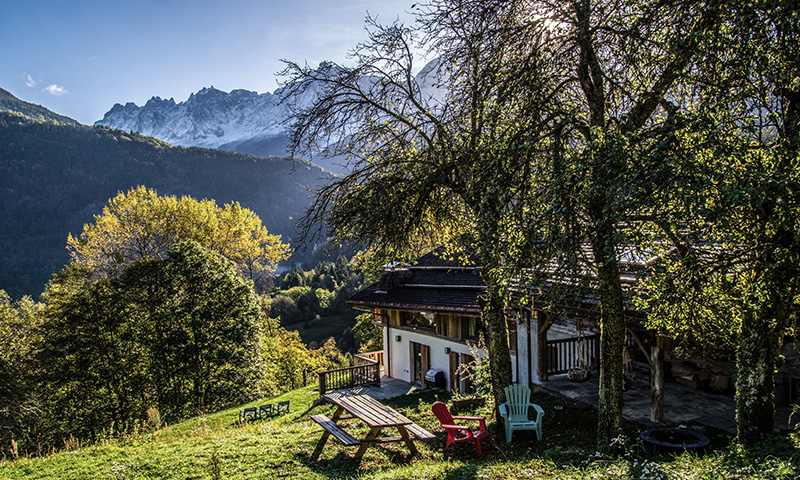
Drive a few hours past Rishikesh and the road starts to climb. Pine forests thicken, the Ganga narrows, and painted village signs replace highway hoardings. Somewhere along that route sits a house with a slate roof, a kitchen garden out back, and a family waiting with tea. That house is quietly doing something big for the Garhwal Himalayas. It is keeping the local economy alive.
Homestays in Garhwal are no longer a fringe idea. They have become one of the most practical tools for spreading tourism income beyond hotel chains and into the hands of farmers, cooks, guides, and artisans. For travellers who care where their money actually lands, the homestay model is worth understanding in some depth.
Why the Garhwal Homestay Model Matters
Garhwal covers seven districts in Uttarakhand, from Uttarkashi in the north to Pauri in the south. The region carries an enormous share of India’s Himalayan tourism, driven by Char Dham pilgrimages, high-altitude treks, and quiet valleys like Harsil, Chopta, and the villages around Munsiyari’s neighbours.
For decades, that footfall clustered around a few hotel hubs. The remaining villages saw buses pass through and little else. Homestays flip that pattern. The Uttarakhand Tourism Development Board has been actively registering village homestays, offering subsidies for construction and hospitality training. The intent is straightforward: turn tourism into a rural livelihood rather than a coastal or metro export.
Direct Income That Reaches the Household
The first and most obvious impact of a homestay is cash flow. In a hotel booking, the room rate is split across corporate ownership, staff salaries, distributor commissions, and utilities managed at scale. In a family-run homestay, the same guest payment stays much closer to the source.
A typical Garhwal homestay hosts one to four rooms. Meals are cooked by the family. Guides are often relatives or neighbours. Even the porter arranging your bags is likely from the same village council. This structure delivers a few practical outcomes:
- Household savings improve, which supports children’s schooling and healthcare
- Village shopkeepers see more business as guests buy snacks, phone recharges, and small supplies
- Local transport operators, mule owners, and taxi drivers get repeated seasonal work
None of this requires an outside investor. The house already exists. The kitchen already runs. Tourism simply adds a new revenue line to an existing home.
Reviving Traditional Livelihoods
Garhwal has strong traditions in mountain farming, wool weaving, ringal bamboo crafts, and regional cuisine built around mandua, jhangora, and gahat. Many of these skills were slipping away as younger residents left for jobs in the plains.
Homestays give these traditions a paying audience. Guests want to eat kafuli and bhang ki chutney rather than another paneer butter masala. They want to see how a chulha works, how apricot oil is pressed, and how a hand-loomed pattu blanket is finished. That interest turns forgotten skills into billable experiences.
The knock-on effects include:
- Kitchen gardens expand to supply guest meals, pulling more organic produce into circulation
- Craft cooperatives find fresh buyers without needing to reach urban markets
- Recipes and folk songs are recorded and passed on because guests keep asking
Slowing Migration From the Villages
Uttarakhand has faced a well-documented pattern of village abandonment, often called the “ghost village” problem. The Rural Development and Migration Commission set up by the state government tracks this closely, and its reports are available on the Uttarakhand government portal. Livelihood scarcity is the leading reason families leave.
A working homestay changes that math. When a household earns steady off-season and peak-season income at home, at least one or two members find reason to stay back. That decision has a compounding effect. Schools retain students. Panchayats keep quorum. Fields stay cultivated instead of returning to scrub.
Traveloi actively supports this shift by routing itineraries through registered village homestays across Tehri, Rudraprayag, and Uttarkashi districts. Guests get a genuine mountain stay and the village gets a reliable stream of guests through the year. You can explore some of these routes on the Traveloi homepage to see how the network is structured.
Environmental Stewardship, Funded by Tourism
Small-scale hospitality is far gentler on mountain ecology than large hotel builds. Homestays typically:
- Use existing structures, so no forest is cleared for new construction
- Draw water from traditional springs and rainwater sources rather than deep bore wells
- Rely on solar heating, wood stoves, and low-energy lighting
- Generate less packaged waste because meals are cooked fresh from local produce
More importantly, when a village earns from clean rivers, healthy forests, and unspoiled trails, it develops a direct financial reason to protect them. Waste committees form. Plastic bans get enforced at the community level. Grazing patterns are reviewed. Tourism becomes an ally of conservation rather than a threat to it. Responsible operators reinforce this loop, and guests choosing a Traveloi Himalayan tour are briefed on low-impact behaviour, water use, and waste practices before arrival, which reduces the burden on host families.
Women-Led Hospitality and Skill Building
A quiet but significant outcome of the homestay economy in Garhwal is the rise of women as primary earners. Cooking, hosting, and household management sit largely with women in mountain homes, and the homestay format monetises that work directly.
Training programmes run by state agencies and organisations like Responsible Tourism Society of India cover hygiene, guest communication, food safety, and basic English. Women who complete these programmes often manage bookings, handle payments, and coordinate with tour operators. Over time, that translates into decision-making power inside the household and the village council.
Building a Circular Village Economy
Take a step back and the homestay economy starts to look like a small circular system. Guests pay the host. The host buys vegetables from a neighbour. The neighbour hires a mason to fix a wall. The mason sends his child to the village school. The teacher orders books from a shop that also stocks trail snacks for trekkers. Every rupee makes several loops before leaving the valley.
That circulation is what “supporting the local economy” actually means. It is not a single big transaction. It is many small ones that keep spending within a defined geography.
How to Choose a Homestay That Actually Helps
Not every homestay delivers on this promise. Some are branded that way but run by outside investors who employ local staff at low wages. A few practical filters help:
- Confirm the property is registered with the Uttarakhand tourism department
- Ask who owns the house and who cooks the meals
- Check whether guides and porters are hired from the same village
- Look for properties that source produce locally rather than trucking it in
- Prefer operators who publish their sustainability practices openly
Traveloi’s curation follows these filters, and the team is happy to explain the selection logic on a call. If you are planning a Garhwal trip and want a village-first itinerary, the Traveloi contact page is the fastest route to a tailored plan.
Plan a Garhwal Trip That Puts Money Where It Matters
Every homestay booking is a small vote for a particular kind of mountain economy. One where families stay together, forests stay standing, and travel money reaches the people who actually build the experience.
If that model appeals to you, Traveloi is a good place to begin. Our Garhwal itineraries are built around registered village homestays, community-linked guides, and low-impact routes that respect the region’s carrying capacity.
Frequently Asked Questions
Are homestays in Garhwal safe for solo and women travellers?
Yes. Registered homestays go through state verification, and most are family homes where hosts treat guests as extended family. Solo and women travellers routinely stay across Tehri, Chopta, and Harsil belts. Traveloi vets each partner property before adding it to an itinerary.
How much does a typical Garhwal homestay cost per night?
Rates vary by season and location, but village homestays generally sit well below hotel prices. Most include home-cooked meals in the tariff, which further reduces overall trip cost.
What is the best time to book a homestay in Garhwal?
March to June and September to November are the busiest months. Winter stays in lower Garhwal, including Pauri and Tehri, work well for travellers who want quiet valleys and clear mountain views.
Do homestays really benefit the local economy more than hotels?
In most cases yes, because a much larger share of the guest payment stays within the host family and the village supply chain. Hotels do generate employment, but the profits often flow to owners based elsewhere.
Can Traveloi build a full Garhwal itinerary around homestays?
Yes. The team can plan multi-village routes, combine homestays with treks and pilgrimage stops, and arrange transport that supports local drivers. Start with the Traveloi tours page to see current Himalayan itineraries.