
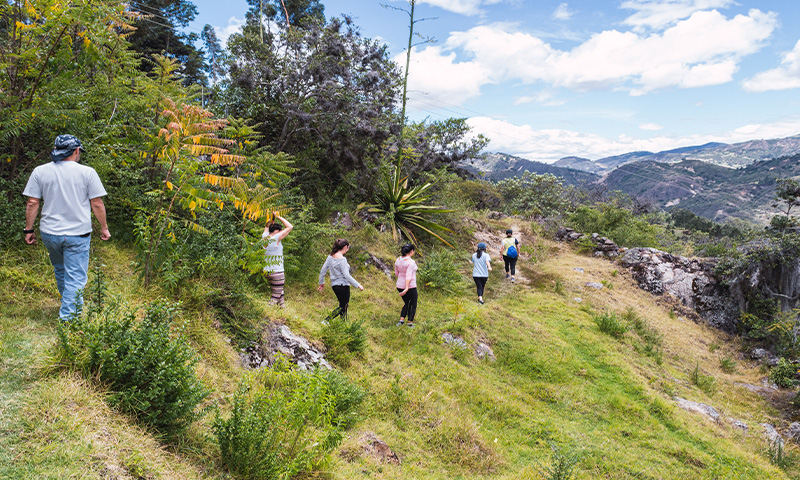
Kumaon has always been a region of terraced fields, oak forests, and tightly knit hill communities. What has changed in the last decade is who gets to tell its story. Small villages across Nainital, Almora, Bageshwar, and Pithoragarh districts have opened their homes to travelers, letting them stay with local families, walk with shepherds, and share meals cooked on wood stoves. This model, known as community based tourism, keeps earnings inside the village and preserves the cultural rhythm that mass tourism often disrupts.
For travelers looking beyond the standard Nainital and Mussoorie loop, these villages offer something quieter and far more rewarding.
What Community Based Tourism Actually Means in Kumaon
The idea is simple. Local families own and run the guesthouses, guides come from the same village, produce is sourced from nearby farms, and a share of every booking flows back into schools, water systems, or forest conservation projects. It is not a resort dressed as a homestay. You eat what the family eats, sleep in a room designed for their guests, and often wake up to the sound of cattle bells rather than car horns.
Organisations like the Uttarakhand Tourism Development Board have been steadily promoting such stays under their homestay policy, and independent networks have grown alongside government schemes.
Sarmoli, Munsiyari
Tucked below the Panchachuli peaks in Pithoragarh district, Sarmoli is one of the most established community tourism villages in Kumaon. Run largely by the women of Maati Sangathan, the homestays here have hosted travelers for over two decades.
What makes Sarmoli special:
- Views of the Panchachuli range from almost every window
- Guided walks through Van Panchayat forests with local naturalists
- The annual Himal Kalasutra festival that brings together storytelling, weaving, and mountain crafts
- Home cooked Kumaoni thalis featuring bhatt ki churkani, madua roti, and local greens
Sarmoli suits travelers who want depth over convenience. The drive is long, but the village rewards patience.
Supi, Someshwar Valley
Supi sits above the Kosi river in Almora district, a cluster of stone houses ringed by apple and apricot orchards. It has become a quiet favourite for writers, birders, and anyone chasing a working Himalayan village that has not been polished for social media.
Highlights include:
- Walks to nearby Binsar Wildlife Sanctuary
- Interaction with local farmers practicing traditional mixed cropping
- Star gazing on clear nights, with almost zero light pollution
- Shorter access from Kathgodam compared to villages further north
Supi works well as a three or four day retreat, especially for families with older children.
Sonapani, Near Mukteshwar
Sonapani is not a village in the strictest sense but a small community estate that has grown organically with the surrounding hamlets. Its owners work closely with nearby families for staffing, produce, and craft. Guests here get comfortable rooms, walking trails through pine and oak forests, and evenings around a fireplace with locally brewed rhododendron squash.
For travelers new to the Himalayas, Sonapani offers a soft landing. The community linkage is quieter but genuine.
Peora, Between Mukteshwar and Almora
Peora is often described as an orchard village. Apple, plum, and peach trees line its slopes, and the community has slowly built a small network of homestays that share bookings among themselves. This distribution model matters. It means no single family carries the entire tourism load, and income is spread evenly.
Reasons to visit:
- Gentle walks between Peora, Satoli, and Mukteshwar
- Homestays that involve guests in seasonal fruit harvests
- Excellent base for exploring the Kumaon interior without long drives
Jilling, Nathuakhan Area
Jilling is remote by design. The final stretch is a walk in, which keeps casual traffic out and preserves the forest around it. The estate here works with families in Nathuakhan and nearby settlements, and the experience leans heavily into forest immersion rather than village culture.
Expect:
- Long silent walks through mixed oak and rhododendron cover
- Birding opportunities for species like the koklass pheasant
- Simple, thoughtful meals with produce from village kitchens
Jilling suits travelers who value solitude and are comfortable without vehicle access at the doorstep.
Kanda, Bageshwar District
Kanda is less known than Munsiyari but offers a similar sweep of high Himalayan views. The village has begun to build homestay clusters through local self help groups, and the pace of development has been careful.
Travelers who make the effort get:
- Uninterrupted views of the Nanda Devi range
- Access to trails leading toward Pindari and Sunderdhunga glaciers
- Cultural exchanges with families who still practice traditional Kumaoni agriculture
How Traveloi Curates These Experiences
Working with community run villages requires more than listing a homestay online. It involves ground verification, respectful pricing that protects hosts, and clear communication with travelers about what to expect and what to leave behind. At Traveloi, our Kumaon itineraries are built after direct conversations with village collectives, ensuring that stays are authentic and that guest expectations match local realities.
You can explore our Uttarakhand tour packages to see how village stays are combined with treks, temple visits, and slower cultural itineraries. For travelers focused specifically on responsible travel, our team can also design a private itinerary that focuses only on community run properties.
Practical Tips Before You Book
A few things worth keeping in mind:
- Carry cash. Many villages have limited UPI coverage.
- Pack layers even in summer. Nights above 1800 meters can drop sharply.
- Respect quiet hours. These are working villages, not resorts.
- Ask before photographing people, homes, or religious sites.
- Reduce plastic. Carry a refillable bottle and a small trash bag for your own waste.
Travelers who want to understand the broader responsible tourism movement in the region can also refer to resources published by The Mountain Institute and similar organisations working on Himalayan livelihoods.
Who Should Choose a Community Based Village Stay
These villages work best for:
- Slow travelers who prefer a single base over multi city rushes
- Families with children old enough to walk and engage with village life
- Writers, researchers, and photographers looking for grounded material
- Couples who want a quieter alternative to hill station hotels
They are less suitable for travelers seeking spa services, elaborate room service, or constant connectivity. That is the point.
Where Traveloi Fits In
Our approach at Traveloi is straightforward. We connect travelers with communities that already have a working model, and we make sure the booking process is transparent for both sides. Our team plans transfers, permits, and guides so that guests can focus on the experience rather than logistics. To read more about how we build such trips, visit Traveloi or reach out through our contact page for a custom Kumaon plan.
Planning Your Visit
If you are still in the research stage, start with a shortlist of two or three villages that match your travel style. Trip planners can reach out to Traveloi with rough dates for a suggested route. Travelers ready to book can request a detailed itinerary and confirm within a week to secure homestay availability, especially during the shoulder seasons when good properties fill up quickly.
Kumaon does not need to be rushed. Its villages have kept their rhythm for generations, and a thoughtful visit lets you step into that rhythm without disturbing it.
Frequently Asked Questions
What is the best time to visit community based tourism villages in Kumaon?
The most comfortable months are March to June and September to November. Winter stays are possible in villages below 2000 meters, but snow can affect access to higher spots like Sarmoli and Kanda.
How do I reach these villages from Delhi?
The nearest railhead is Kathgodam, which is well connected to Delhi by overnight trains. From Kathgodam, villages like Peora, Supi, and Sonapani are a four to six hour drive. Sarmoli and Kanda take longer and often need an overnight halt on the way.
Are homestays in Kumaon suitable for families with children?
Yes. Villages like Peora, Supi, and Sonapani are especially family friendly with gentle walks, farm activities, and safe surroundings. Homestays usually accommodate dietary preferences with prior notice.
How does community based tourism differ from a regular hill station holiday?
The main difference is where your money goes and how you spend your time. In a community based village, earnings stay within the local economy, and you participate in daily life rather than watching it from a hotel balcony.
Can Traveloi customise a Kumaon village itinerary?
Yes. Our team designs private itineraries around your interests, whether the focus is birding, cultural immersion, forest walks, or a mix of all three. Share your dates and preferences, and we build the plan around the villages that suit you best.
Is internet available in these villages?
Basic mobile connectivity works in most, but data speeds are inconsistent. Villages like Jilling and parts of Sarmoli have limited coverage, which many travelers actually appreciate.