
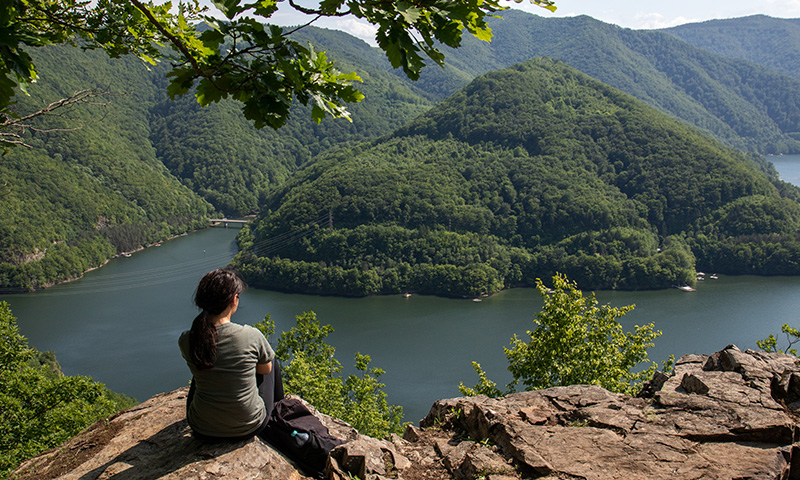
Pilgrimage travel in India has changed. Devotees still walk to the same shrines their grandparents visited, but the terrain around those shrines is under real pressure. Waste piles up near Kedarnath. Water tables drop in Badrinath. Single use plastic clogs the trails to Adi Kailash. For families and senior travelers who want a spiritually meaningful trip without adding to the damage, the choice of where you sleep matters almost as much as where you pray.
That is where eco certified stays for pilgrimage tours enter the conversation. These are not marketing labels. They are hotels, lodges, and homestays that have been audited on waste, water, energy, and community practices. Curating them takes disciplined work, and that work is what Traveloi has quietly built its yatra planning around over multiple seasons of route testing and traveler feedback.
What Eco Certified Actually Means for a Pilgrimage Hotel
The term gets used loosely. In practice, an eco certified property has been reviewed against a recognised framework such as Green Key, LEED, EarthCheck, or a national scheme aligned with India’s sustainable tourism criteria. The certification looks at things like:
- Solar or biogas as a primary energy source
- Rainwater harvesting and greywater reuse
- Segregated waste management with composting on site
- Zero single use plastic in guest rooms and dining
- Local sourcing of food, linen, and staff
- Fair wages and community reinvestment
Why this matters for pilgrimage tours specifically: shrines in Uttarakhand, Ladakh, and the wider Himalayan belt sit inside fragile ecosystems. A hotel drawing groundwater at several times the local recharge rate is not a neutral choice. Nor is one burning diesel to run a boiler at 3,500 metres above sea level.
For yatris, a certified property removes a layer of guilt that most pilgrims do not talk about but quietly feel. It also tends to serve fresher food and cleaner water, which matters after a long trek day.
The Frameworks the Team Screens Against
When building a Char Dham or Adi Kailash itinerary, the team checks whether a property holds current certification from at least one of these bodies:
- Green Key Global
- EarthCheck
- LEED for Hospitality
- India’s Ministry of Tourism sustainable tourism criteria
- Responsible Tourism Society of India
If a property is not certified but demonstrably follows the practices, it is flagged as verified sustainable rather than certified. Guests are told which is which. That distinction protects trust.
How the Eco Certified Stay List Gets Curated
Curation is not a one time exercise. Properties get added, dropped, and re-audited every season. Here is the process the operations team runs.
1. Shortlist by route feasibility
Every yatra has fixed halts. Guptkashi and Sonprayag for Kedarnath. Joshimath for Badrinath. Barkot for Yamunotri. The shortlist begins with properties inside a workable radius of each halt.
2. Certification and document check
The team requests current certification papers, waste audit reports, and energy source declarations. Expired or missing documents disqualify the property from the primary list.
3. On ground inspection
Local coordinators visit each shortlisted stay before the season opens. They photograph kitchens, waste storage, water tanks, and staff quarters. This step is where marketing claims meet reality.
4. Guest experience benchmarking
A property can be perfectly sustainable and still miserable to stay at. The team scores hot water reliability, room warmth at altitude, food quality, and staff responsiveness.
5. Community impact review
Preference goes to properties owned or staffed by local families. A hotel that hires from Delhi and imports its cook adds less to the region than a homestay run by a Garhwali family.
6. Continuous feedback loop
Post trip reviews from actual yatris feed back into the list. A property that slips gets a warning. A second slip removes it.
The full route logic that sits behind this curation is explained in the complete Char Dham Yatra guide that the team maintains for planners and families, and it doubles as a useful reference for readers still deciding on their route.
What This Looks Like on an Actual Yatra
Take a family of four planning a nine day Char Dham circuit from Delhi. The father is 68 and needs a heated room. The mother is vegetarian and gluten sensitive. The daughter wants Wi Fi that actually works.
A conventional operator would book whatever mid range hotel had rooms. A curated eco stay approach looks different. In Barkot, the family stays at a solar heated property with a kitchen that sources vegetables from farms within ten kilometres. In Guptkashi, they sleep in a homestay with rainwater fed bathrooms and a wood fired kitchen using sustainably harvested pine. In Joshimath, they get a certified hotel where segregated waste is actually composted rather than tipped into the valley.
The father sleeps warm. The mother eats safely. The daughter gets her signal. And the trail behind them is measurably less damaged than it would have been.
For travelers building a shorter circuit, the same curation logic applies to the Do Dham Yatra package, which covers Kedarnath and Badrinath in a tighter window without cutting corners on stay quality.
The Trade Offs Nobody Tells You About
Sustainable pilgrimage stays are not always cheaper. Solar heating, composting, and fair wages cost money, and a portion of that shows up in the tariff. Expect to pay a modest premium over a comparable non certified property in the same category.
They are also not always in the most convenient locations. A homestay two kilometres from the main road may need a short shuttle. Some properties limit air conditioning at altitude for good ecological reasons, which suits most yatris but occasionally frustrates a first time visitor.
The upside is durability. These properties tend to survive floods, landslides, and season disruptions better because they are built with local materials and local knowledge. Community rooted homestays often reopen faster than large concrete hotels after Himalayan weather events, precisely because their construction is lighter and their local ties are stronger. That resilience is a quiet reason many yatra planners now default to them, even when a bigger name is available on the same route.
Extending the Model Beyond Char Dham
The same curation approach applies across the wider Himalayan and pilgrimage portfolio. For the Adi Kailash and Om Parvat Yatra, where infrastructure is thin and every kilogram of waste has to be carried out, eco certified stays are effectively a requirement rather than a preference.
For leisure and spiritual travel across the region, the same logic feeds into how properties are selected for the broader Uttarakhand tour packages that go beyond the four shrines. Auli, Chopta, Harsil, and the Kumaon belt all now offer certified or verified sustainable options that did not exist a few years ago. The pattern holds internationally too, where similar screening is applied to Nepal, Bhutan, and Southeast Asia routes.
A Quick Checklist for Yatris Booking Independently
For readers who prefer to book on their own, here is what to ask a property before confirming:
- Do you hold a current sustainability certification? Which one?
- What is your primary energy source at this altitude?
- How is waste handled during peak season?
- Are staff hired locally and paid year round?
- Is drinking water filtered on site or supplied in plastic bottles?
- What share of food is sourced within twenty kilometres?
- Is single use plastic present in guest rooms?
A property that answers all seven clearly is almost certainly a safe choice. One that dodges even two of them is worth reconsidering. This is a simplified version of the checklist the coordinators use during pre season audits.
Frequently Asked Questions
What are eco certified stays for pilgrimage tours?
Eco certified stays are hotels, lodges, or homestays that have been independently audited on energy use, water conservation, waste handling, and community impact. For pilgrimage tours in fragile Himalayan zones, these properties reduce environmental damage while offering yatris cleaner rooms and safer food.
Which certifications should I look for in a sustainable Char Dham hotel?
Look for Green Key, EarthCheck, LEED, or certification aligned with India’s Ministry of Tourism sustainable tourism criteria. Membership in the Responsible Tourism Society of India is also a strong signal.
Are eco friendly stays available across the entire Char Dham route?
Yes, though availability varies by halt. Barkot, Guptkashi, Sonprayag, and Joshimath now have multiple certified options. Higher altitude stops like the Kedarnath base still have limited choices, so booking early matters.
Do sustainable pilgrimage hotels cost more than standard ones?
Usually a small premium over non certified properties in the same category. The difference typically pays for solar heating, waste composting, and fair local wages.
Can senior travelers stay comfortably at eco certified homestays?
Yes. Curated properties are screened for heated rooms, hot water reliability, and food quality. The audit process specifically flags any stay that is not senior friendly.
Is Wi Fi available at these properties?
Most certified stays in the Char Dham belt now offer working Wi Fi. Signal weakens above 2,500 metres regardless of the property.
How do I book an eco certified stay through a specialist operator?
Request a curated itinerary from a pilgrimage operator that runs its own audits, such as Traveloi. The team will confirm which properties on your chosen route are certified or verified sustainable and share supporting documentation on request, along with a route map that fits your dates and pace.