
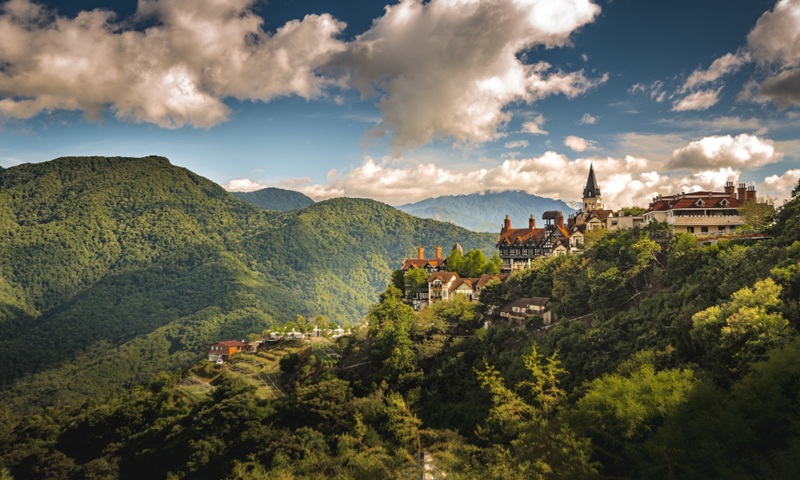
Visiting a temple in Uttarakhand is not quite like visiting one in the plains. The air is thinner, the queues are longer, and the rituals follow traditions that have been held for centuries. First time pilgrims often arrive with the right intention but miss the small signals that locals read instantly. From the glacier fed sanctum of Kedarnath to the riverside ghats of Haridwar, every shrine comes with its own quiet code of conduct.
A little preparation goes a long way. This guide walks through the real do’s and don’ts inside Uttarakhand temples so you can focus on the darshan rather than worry about missteps. At Traveloi, we curate pilgrimage journeys across the Himalayas, and this is the advice we give every traveller before they set off.
Why Temple Etiquette Matters in the Hills
Himalayan temples sit at the heart of hill communities. A respectful visitor is welcomed warmly, while a careless one is often corrected politely but firmly. Priests at shrines like Badrinath and Kedarnath follow routines set by generations of tradition, and the queue system during peak Char Dham season leaves little room for improvisation. Learning the basics ahead of time saves embarrassment and lets you absorb the experience fully.
Before You Enter: Dress, Footwear, and Essentials
The clothing rules at Himalayan temples are stricter than most people expect. Shorts, sleeveless tops, ripped jeans, and transparent fabrics are not acceptable inside the main sanctum of most shrines. Men are usually expected to wear full length trousers or a traditional dhoti. Women are advised to wear a saree, salwar kameez, or any outfit that covers the shoulders and knees.
A few practical do’s:
- Carry a shawl or stole, especially at high altitude shrines where the breeze turns sharp by late afternoon.
- Wear slip on footwear so you can leave them at the designated counter without holding up the queue.
- Keep socks handy for stone floors that get painfully cold at Kedarnath, Tungnath, and Madhyamaheshwar.
- Carry a government photo ID. The Char Dham biometric registration system often asks for it at base camps.
The don’ts:
- Avoid leather belts, wallets, and bags inside the sanctum of certain shrines. Badrinath and Kedarnath specifically discourage leather items.
- Skip heavy perfumes and strong deodorants near the sanctum.
- Do not carry large backpacks into the queue. Most temples have cloakrooms for a small fee.
Inside the Sanctum: Behaviour That Earns Respect
Himalayan temples are compact. The main sanctum often fits only a handful of devotees at a time, and the priest moves quickly. Knowing how to carry yourself inside saves confusion and keeps the queue moving.
Do:
- Fold your hands and keep your voice low. A whispered prayer is enough.
- Walk clockwise around the deity if circumambulation is allowed.
- Accept prasad with your right hand and consume it respectfully.
- Follow the priest’s hand gestures. He may ask you to move, bow, or step aside, and these cues are universal.
Don’t:
- Do not touch the idol unless the priest invites you to do so.
- Do not turn your back to the deity while leaving. Step back a few paces first.
- Do not use your phone, even on silent, inside the inner sanctum.
- Do not negotiate the dakshina (offering) loudly with the priest. If you choose to give, do so quietly.
Photography, Videos, and Social Media
This is where most first time visitors slip up. Photography rules differ sharply from one Uttarakhand temple to another.
- At Kedarnath and Badrinath, photography inside the garbhagriha (inner sanctum) is strictly prohibited.
- At Gangotri and Yamunotri, exterior photography is allowed, but drones require prior permission from the local administration.
- Haridwar’s Har Ki Pauri welcomes photography during the evening Ganga Aarti, but tripods are discouraged in the crowded ghat area.
- Rishikesh ashrams such as Parmarth Niketan have their own house rules. Ask before you record.
A simple rule works almost everywhere: if a sign forbids photography, respect it. If you are unsure, ask the local priest or security staff. The official Uttarakhand Char Dham Devasthanam Management Board publishes current guidelines for Badrinath and Kedarnath each season, and these are the most reliable reference.
Offerings, Prasad, and Donation Etiquette
Offerings in Himalayan temples tend to be simple. Flowers, a coconut, ghee, or a small quantity of sweets are the usual items. Kedarnath is known for its ghee abhishek, while Yamunotri is famous for rice cooked in the Surya Kund hot spring.
Points to remember:
- Buy offerings only from authorised stalls near the temple. Street vendors sometimes sell items that are not permitted inside.
- Do not haggle over flower or coconut prices in front of the shrine.
- Place your donation in the hundi (donation box) rather than handing it to anyone claiming to be a priest.
- If you receive prasad, carry the leftover with you or dispose of it respectfully. Never throw it on the trail.
For travellers planning the full Char Dham route, our team at Traveloi arranges priest assisted darshan and prasad bookings in advance through verified channels. You can review the arrangement details on our Char Dham Yatra package page, which is helpful if you want the ritual sequence handled correctly.
Temple Specific Notes You Should Know
Each of the four Dhams and the larger temple towns has its own quirks.
Kedarnath
The trek to the shrine is physically demanding. Palki, pony, and helicopter options exist, but the final stretch requires you to walk. Carry a government ID. Lockers are available at the base at Gaurikund.
Badrinath
Take a dip in the Tapt Kund hot spring before darshan, if your health allows. It is considered part of the ritual sequence.
Gangotri
The temple opens only from late April to early November. Plan your visit accordingly. The actual source of the Ganga is at Gaumukh, about eighteen kilometres further on.
Yamunotri
The trek from Janki Chatti is around six kilometres each way. Elderly travellers often prefer palanquins arranged by registered porters.
Haridwar and Rishikesh
These are not Char Dham sites but are usually included in a Himalayan pilgrimage circuit. Follow river etiquette during aarti and avoid littering the ghats.
For a deeper look at how we plan these routes, see our Himalayan pilgrimage tours page, where itineraries are built around the opening dates and local customs of each shrine.
Environmental Respect Is Not Optional
Uttarakhand’s temples sit inside fragile ecosystems. The Char Dham corridor passes through glaciers, protected forests, and high altitude grasslands. Pilgrims are increasingly asked to reduce their footprint, and the state administration has introduced single use plastic restrictions in several zones.
Simple actions make a difference:
- Carry a refillable water bottle instead of buying plastic ones along the trek.
- Dispose of wrappers and offerings only in marked bins.
- Avoid buying souvenirs made from protected flora or wildlife.
- Respect the quiet hours around the shrine, especially during morning aarti.
Sustainable pilgrimage is a core principle of how Traveloi designs its Uttarakhand itineraries. You can read more about our approach on the About Traveloi page, which outlines our responsible travel commitments.
Cultural Sensitivity and Local Interactions
The hill communities of Uttarakhand have hosted pilgrims for generations. A little courtesy goes a long way.
- Greet locals with a simple namaste.
- Ask before photographing residents, especially elders and women.
- Tip porters and ponywalas fairly. They work in tough conditions.
- Learn a few basic Garhwali or Kumaoni words. Even a mispronounced dhanyavaad earns a smile.
Common Mistakes First Time Visitors Make
- Underestimating the altitude. Rest for a day at Guptkashi or Joshimath before pushing up to the high shrines.
- Carrying unnecessary cash. Most base towns now accept UPI, and large sums invite trouble on crowded trails.
- Ignoring the darshan time slots. Peak hours see very long queues, and arriving by early morning is almost always faster.
- Trusting unofficial guides. Always confirm credentials with the local Devasthanam office.
Plan Your First Uttarakhand Pilgrimage With Confidence
A thoughtful first visit to Uttarakhand’s temples leaves you calmer than you arrived. If you want the logistics handled while you focus on the darshan, our pilgrimage specialists at Traveloi are a message away. We help with permits, priest coordination, altitude pacing, and responsible routing across the Char Dham and Panch Kedar circuits.
Reach out through the Traveloi contact page to get a custom itinerary built around your travel dates, group size, and comfort level.
Frequently Asked Questions
1. What is the ideal dress code for first time visitors to Uttarakhand temples?
Modest clothing that covers the shoulders and knees is expected. Traditional Indian wear works best, and a shawl or stole is useful for the colder shrines like Kedarnath and Gangotri.
2. Can I take photographs inside Kedarnath or Badrinath temple?
No. Photography is prohibited inside the inner sanctum of both temples. Exterior photography is usually allowed, but drone use needs prior approval from the local administration.
3. Are leather items allowed inside Himalayan temples?
Several temples, including Badrinath and Kedarnath, discourage leather belts, wallets, and bags inside the sanctum. Store these in the cloakroom before entering.
4. What is the best time to visit Char Dham for first time pilgrims?
The May to June window and the September to October window offer the most stable weather. The monsoon months carry higher landslide risk, especially on the Kedarnath and Yamunotri routes.
5. How can first time travellers avoid common mistakes during Uttarakhand temple visits?
Prepare for the altitude, follow posted rules, respect queue discipline, and travel with a planner who understands the Himalayan circuit.
6. Is it necessary to book a guide for Uttarakhand temple visits?
Not mandatory, but strongly recommended for first time pilgrims. A guide helps with ritual sequence, priest coordination, and avoiding unofficial middlemen on the trail.