
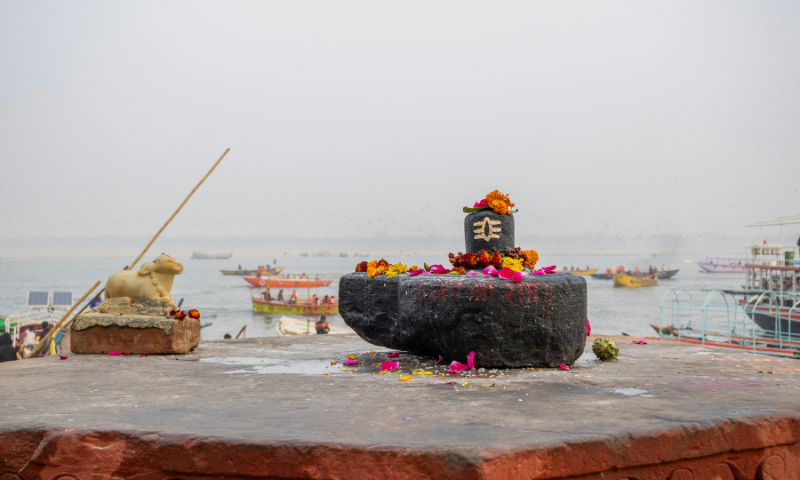
Every year, when the monsoon clouds roll in across India and the dry earth starts breathing again, something shifts in the spiritual rhythm of the country. The month of Shravan, or Sawan, begins. When it comes to Sawan Somwar, a weekly practice of fasting and devotion dedicated to Lord Shiva that millions of Hindus observe every Monday of this sacred month.
Sawan Somwar is not a ritual people follow out of obligation alone. For many families, it is a deeply personal practice passed down through generations. Grandmothers who fasted for decades, parents who taught their children to fold hands before the Shivling, and young adults who now choose to observe it as a way to reconnect with faith in their own terms. The practice carries meaning because it combines discipline, gratitude, and surrender in a way that fits naturally into everyday life.
If you have ever wondered what makes Sawan Somwar significant, what offerings are made to Lord Shiva on these Mondays, or how the fast is observed, this guide covers all of it. For those whose devotion runs deeper, it also touches on the Shiva pilgrimage sites across India that become especially alive during the Shravan month.
Why Is the Month of Sawan Considered Sacred?
The month of Shravan typically falls between July and August in the Gregorian calendar, aligning with the Indian monsoon season. In the Hindu lunar calendar, it is the fifth month and is regarded as one of the most auspicious periods of the year.
The connection between Sawan and Lord Shiva runs deep in Hindu mythology. According to the Puranas, when the gods and demons churned the cosmic ocean (Samudra Manthan) to obtain the nectar of immortality, a deadly poison called Halahala also emerged. The poison was so powerful that it threatened to destroy the entire creation. It was Lord Shiva who consumed the poison to save the universe. Goddess Parvati pressed his throat to stop the poison from spreading further, turning his throat blue. This act of cosmic sacrifice is one reason Shiva is called Neelkanth, the blue throated one.
This event is believed to have taken place during the month of Shravan. To cool the effect of the poison, the gods poured water and sacred offerings over Shiva. This is why devotees offer water, milk, and Bel leaves to the Shivling throughout Sawan. It is an act of remembrance and gratitude for Shiva’s sacrifice that preserved life itself.
The monsoon season adds its own layer of symbolism. Rain brings renewal. The parched land turns green. Rivers swell with fresh water. In Hindu thought, Sawan is nature’s way of mirroring spiritual purification. Fasting during this month is seen as a way to align your inner world with the outer renewal happening around you.
The Significance of Sawan Somwar Vrat
Monday is the day traditionally dedicated to Lord Shiva in Hindu practice. But during the month of Sawan, the Monday fast, known as Sawan Somwar vrat, carries amplified spiritual weight. Devotees believe that Shiva is especially receptive to prayers and offerings during these Mondays, and that fasting on these days brings blessings of health, peace, and fulfilment.
The Shravan Somwar vrat is observed for several reasons:
- Devotees fast to seek Shiva’s blessings for the well being of their family, removal of obstacles, and spiritual growth.
- Unmarried women often observe the vrat to pray for a devoted life partner, following the example of Goddess Parvati, who is believed to have fasted during Shravan to be united with Lord Shiva.
- Married women observe it for the longevity and prosperity of their spouse and household.
- Many devotees see it as a period of self discipline, where abstaining from food and material pleasures helps sharpen the mind and bring clarity.
The practice is flexible in its intensity. Some people observe a strict nirjala vrat (without water), while others consume fruits, milk, and specific sattvic foods. The core idea is not deprivation for its own sake but creating a space within the day for reflection, prayer, and connection with the divine.
How to Observe the Sawan Somwar Fast
If you are observing the Sawan Somwar fast for the first time, or want to understand the traditional approach better, here is how it is typically done:
- Wake up before sunrise and take a bath. Cleanliness of body and mind is the starting point.
- Visit a Shiva temple or set up a small prayer area at home with a Shivling or image of Lord Shiva.
- Perform the Abhishek (ritual bathing of the Shivling) using water, raw milk, curd, honey, and Gangajal if available.
- Offer Bel leaves (bilva patra), white flowers, dhatura fruit, and bhang to the Shivling. Each of these has a specific spiritual significance in Shiva worship.
- Light a diya (oil lamp) and incense. Chant the Maha Mrityunjaya Mantra or the simple “Om Namah Shivaya” during your prayer.
- Maintain the fast throughout the day. Break it after sunset or after the evening prayer, depending on your tradition.
- During the fast, consume only fruits, milk, sabudana (sago), and other permissible fasting foods. Avoid onion, garlic, grains, and non vegetarian food.
The idea is not perfection but sincerity. Even a simple offering of water and Bel leaves, done with genuine devotion, holds immense value in Shiva worship.
What to Offer Lord Shiva During Sawan
The offerings made to Lord Shiva during Sawan Somwar are rooted in mythology and carry specific symbolic meanings. Understanding what to offer and why can deepen the experience of worship.
Bel Leaves (Bilva Patra): The three leaves of the Bel represent the three eyes of Shiva, or alternatively, the three gunas (qualities) of nature: sattva, rajas, and tamas. Offering Bel leaves to the Shivling is considered one of the most pleasing acts of devotion to Shiva.
Raw Milk and Water: Pouring milk and water over the Shivling recalls the cosmic event of Samudra Manthan, where cool substances were offered to soothe Shiva after he consumed the Halahala poison. Devotees replicate this act during Sawan as a way of showing gratitude and seeking Shiva’s cooling, calming blessings.
Dhatura: The white thorn apple (dhatura) is sacred to Shiva. According to belief, dhatura emerged from Shiva’s chest during the churning of the ocean. It is offered during Sawan to please Lord Shiva and to invoke his protective energy.
White Flowers: White symbolises purity and peace. Aak (Calotropis) flowers and white lotus are especially favoured during the Shravan Somwar puja.
Bhang: In traditional Shiva worship, bhang (cannabis paste) is associated with Shiva’s ascetic nature and is offered ceremonially. This is a ritualistic offering and not meant for recreational consumption.
Honey and Curd: These are included in the Panchamrit (a mixture of five sacred items: milk, curd, honey, sugar, and ghee) used during the Abhishek.
A key thing to remember: never offer Tulsi (holy basil) to Lord Shiva. According to Hindu tradition, Tulsi is sacred to Lord Vishnu and is not placed on the Shivling. Similarly, avoid offering coconut water directly, as it is not considered appropriate for Shiva worship by most traditions.
Shiva Temples and Pilgrimage Sites That Come Alive During Sawan
Sawan Somwar is observed at home by millions. But for those who want to take their devotion a step further, visiting a Shiva temple or pilgrimage site during the Shravan month can be a transformative experience. The energy at these sacred places during Sawan is distinctly heightened, with special rituals, large gatherings, and an atmosphere of collective devotion that is hard to replicate elsewhere.
Here are some of the most significant Shiva pilgrimage destinations that devotees visit during Sawan:
Kedarnath, Uttarakhand: One of the twelve Jyotirlingas and part of the Chardham pilgrimage circuit, Kedarnath is among the most revered Shiva temples in India. Situated at 3,586 metres in the Garhwal Himalayas, the temple sees a massive influx of pilgrims during Sawan. The experience of performing Shiva puja here during the Shravan month, surrounded by snow peaks and the sound of the Mandakini river, is unlike anything else. If you are planning to combine your Sawan devotion with a Himalayan pilgrimage, a well structured Chardham yatra package covers Kedarnath alongside Badrinath, Gangotri, and Yamunotri. Traveloi offers multiple Chardham itineraries designed for different fitness levels and budgets.
Kashi Vishwanath, Varanasi: Varanasi, the city that never stops praying, reaches its spiritual peak during Sawan. The Kashi Vishwanath temple, another Jyotirlinga, witnesses thousands of devotees performing Jalabhishek (water offering) every Monday of the month. The Kanwar Yatra, where devotees carry Ganga water from Haridwar to their local Shiva temples, passes through Varanasi and adds to the charged atmosphere. Traveloi’s Varanasi Ayodhya tour packages are a good option for those wanting a structured spiritual journey through these sacred cities.
Mount Kailash and Mansarovar, Tibet: For devotees with the deepest calling, Mount Kailash is the ultimate Shiva pilgrimage. It is believed to be the physical abode of Lord Shiva and Goddess Parvati. The Kailash Mansarovar yatra season overlaps with the Sawan period (May to September), making it possible to combine the spiritual discipline of Shravan with the pilgrimage of a lifetime. Traveloi curates detailed Kailash Mansarovar tour packages via the Nepal route, handling permits, Sherpa support, medical backup, and logistics end to end.
Adi Kailash, Uttarakhand: For those who cannot travel to Tibet, Adi Kailash in Uttarakhand’s Pithoragarh district is considered the earthly counterpart of Mount Kailash. Visiting Adi Kailash and the nearby Om Parvat during the Shravan month adds a powerful spiritual dimension to your practice. Traveloi also offers Adi Kailash yatra packages with permits, transport, and accommodation fully managed.
Haridwar and Rishikesh, Uttarakhand: These twin spiritual cities on the banks of the Ganga become exceptionally vibrant during Sawan. The Kanwar Yatra draws lakhs of Shiva devotees who walk hundreds of kilometres carrying Gangajal to offer at their local temples. Attending the Ganga Aarti at Har Ki Pauri in Haridwar during Sawan is an experience that stays with you long after. Browse Uttarakhand tour packages on Traveloi for itineraries that cover these spiritual hubs along with hill stations and nature trails.
The Inner Dimension: What Fasting Really Does
Beyond the rituals, offerings, and temple visits, there is an inner dimension to Sawan Somwar that is worth understanding. Fasting is not just about abstaining from food. It is about creating a pause in the constant cycle of consumption and distraction that defines modern life.
When you fast, even for a single day, your body slows down. The energy that normally goes into digesting food gets redirected. Many people report heightened clarity, calmness, and emotional balance on fasting days. In yogic traditions, this is well understood. Fasting quiets the body so the mind can hear itself.
Sawan Somwar vrat, when combined with prayer and meditation, becomes a weekly reset. It is a day where you deliberately choose to be less occupied with the material and more available to the spiritual. This is not about punishing the body. It is about giving it and your mind a breather.
For working professionals, students, or anyone caught in the daily rush, even observing a partial fast or simply dedicating an hour to Shiva meditation on Sawan Mondays can create a meaningful shift. The practice is adaptable and does not require you to leave your responsibilities behind.
But for those who feel the pull to go deeper, combining the Sawan fast with a pilgrimage to one of India’s great Shiva temples or the Himalayas, the experience becomes something altogether different. Traveloi’s pilgrimage tours are built around exactly this kind of travel: journeys that are as much about inner transformation as they are about reaching a destination.
When Is Sawan 2026 and How Many Somwars Does It Have?
Sawan 2026 is expected to begin in mid July and run through mid August, based on the Hindu lunar calendar. The exact dates are confirmed annually by the Panchang (Hindu almanac). Typically, there are four to five Mondays (Somwars) during the month, and each one carries the same level of spiritual importance.
Devotees who observe the vrat on all Mondays of the Shravan month are said to receive the complete blessings of the practice. However, even observing a single Sawan Somwar with full devotion is considered highly auspicious.
Frequently Asked Questions
Q1. What is Sawan Somwar and why is it important for Shiva devotees?
Sawan Somwar refers to the Mondays that fall during the Hindu month of Shravan (July to August). Since Monday is traditionally dedicated to Lord Shiva and Shravan is considered the most sacred month for Shiva worship, fasting on these days is believed to carry heightened spiritual merit. Devotees observe the Shravan Somwar vrat to seek blessings, remove obstacles, and deepen their connection with Lord Shiva.
Q2. What should I offer Lord Shiva during Sawan Somwar puja?
The key offerings during Sawan Somwar include Bel leaves (bilva patra), raw milk, water, honey, curd, white flowers, dhatura, and bhang. These items have specific mythological and symbolic significance in Shiva worship. Devotees also perform Abhishek (ritual bathing of the Shivling) using Panchamrit, a mixture of milk, curd, honey, sugar, and ghee. Avoid offering Tulsi leaves, as they are sacred to Lord Vishnu and not placed on the Shivling.
Q3. Can I visit Kedarnath or Badrinath during Sawan for a Shiva pilgrimage?
Yes. The Chardham temples in Uttarakhand, including Kedarnath, are open during Sawan (July to August). This period falls within the active yatra season. However, July and August also bring monsoon rain, so be prepared for weather related delays. Booking a Chardham yatra package with a reliable operator like Traveloi ensures that logistics, safety, and accommodation are handled professionally.
Q4. Is it possible to do the Kailash Mansarovar yatra during Shravan month?
Yes. The Kailash Mansarovar yatra season runs from May to September, which overlaps with the Shravan period. For devotees seeking to combine Sawan observance with the ultimate Shiva pilgrimage, this timing works well. A Kailash Mansarovar tour package via the Nepal route is the most popular option, with Traveloi managing permits, transport, accommodation, and medical support throughout the journey.
Q5. What foods are allowed during the Sawan Somwar fast?
During the Sawan Somwar vrat, devotees typically consume fruits, milk, curd, sabudana (sago), potatoes, sendha namak (rock salt), dry fruits, and makhana (foxnuts). Grains, rice, wheat, onion, garlic, and non vegetarian food are avoided. Some devotees observe a strict nirjala fast (without water), but most follow a fruit and milk based diet. The fast is broken after sunset or after the evening puja.
Q6. What is the difference between Sawan Somwar vrat and regular Monday fasting?
Monday fasting for Lord Shiva can be observed throughout the year. However, the Sawan Somwar vrat, observed specifically during the Shravan month, is considered far more powerful because of the month’s mythological connection to Shiva, particularly the Samudra Manthan event. The spiritual rewards of fasting, prayer, and offerings are believed to be multiplied during this period.