
Summer is the most popular season for the Char Dham Yatra. The temples open in late April or early May, and by mid-May the hill roads are buzzing with pilgrim traffic. The weather is at its most cooperative, the skies are mostly clear, and all four shrines at Yamunotri, Gangotri, Kedarnath, and Badrinath are fully operational.
But “summer” in the Himalayas is not what it means in the plains. At 3,000 metres and above, temperatures can drop to near-freezing at night even in May. Pre-monsoon showers hit unexpectedly in June. The Kedarnath trek demands sturdy footwear and physical endurance. And the UV exposure at high altitude is significantly stronger than anything you experience at sea level.
The wrong packing choices lead to real problems: cold nights in thin clothes, sunburn on the trek, blisters from bad shoes, or a missing document that stalls your registration. This guide is built specifically for the summer season (May and June) and breaks down exactly what to carry, what to skip, and why each item matters.
Clothing: Layers Are Everything
The single biggest packing mistake for summer Char Dham travellers is underestimating how cold it gets at altitude. Daytime temperatures at most Dhams range from 10 to 20 degrees Celsius, but nights and early mornings can drop to 0 to 5 degrees at Kedarnath and Yamunotri. The solution is layering.
Base Layer
- Thermal top and bottom (lightweight, moisture-wicking). Even in May, you will be grateful for thermals at Kedarnath and during early morning darshan at Badrinath.
- Two to three cotton or quick-dry t-shirts for daytime wear during road travel and lower-altitude stops.
Mid Layer
- A fleece jacket or woollen pullover. This is your primary warmth layer and will be worn most evenings and mornings across all four Dhams.
- One pair of comfortable track pants or trekking pants. Avoid jeans; they are heavy, slow to dry, and restrict movement on treks.
Outer Layer
- A windproof and waterproof jacket. This is non-negotiable. Pre-monsoon rain showers are common in June, and wind chill at altitude can be sharp even on clear days.
- A lightweight poncho or rain cover for your backpack. If rain hits during the Kedarnath trek, your bag needs protection as much as you do.
Extras
- A warm cap or beanie for nights and early mornings
- A sun hat or cap with a wide brim for daytime sun protection on treks
- Two to three pairs of wool or thermal socks. Cold, wet feet are the fastest route to discomfort.
- One pair of gloves (lightweight fleece). Useful at Kedarnath and on the Yamunotri trek.
Pack for the coldest point of your trip (Kedarnath at night), not the warmest. You can always remove a layer. You cannot add what you did not bring.
Footwear: The Most Important Packing Decision
Footwear makes or breaks the Char Dham experience, especially at Yamunotri and Kedarnath where trekking is involved.
- Trekking shoes: A sturdy pair with ankle support and good grip is essential. The Kedarnath trek (18 km from Gaurikund) includes uneven stone paths, river crossings, and muddy stretches. The Yamunotri trek (6 km from Janki Chatti) is shorter but equally demanding on footwear. Break in your trekking shoes before the trip to avoid blisters.
- Light sandals or flip-flops: Carry a pair for temple visits, hotel rooms, and rest stops. You will need to remove footwear at each temple, and having a lightweight pair to slip on and off saves time.
- Avoid: Formal shoes, heels, brand-new shoes you have not walked in, and any footwear without grip. Wet mountain paths are unforgiving.
Sun and Skin Protection
UV exposure at 3,000 metres and above is significantly higher than at sea level. Many summer pilgrims return with unexpected sunburn, chapped lips, and dry skin because they packed for cold weather but forgot about the sun.
- Sunscreen: SPF 50 or higher, water-resistant. Apply generously on the face, neck, ears, and hands before each trek. Reapply every two to three hours.
- Lip balm with SPF: Dry mountain air and UV exposure crack lips fast. Carry a medicated or SPF-rated lip balm.
- Sunglasses: UV-protective sunglasses are important, especially on the Kedarnath trek where reflected light from snow patches can strain the eyes.
- Moisturiser: A basic moisturiser for hands and face. The air is dry at altitude, and wind exposure worsens it.
Medicines and First Aid Kit
Medical facilities along the Char Dham route are limited, especially at Kedarnath and Yamunotri. Carry a small, well-stocked first aid kit.
- Altitude sickness medication: Acetazolamide (Diamox) is commonly used to prevent altitude sickness. Consult your doctor before the trip and start the course as advised. Do not self-medicate.
- Pain relievers: Paracetamol and ibuprofen for headaches, body pain, and mild fever. These are common at high altitude.
- Digestive aids: Antacids, ORS sachets, and anti-diarrheal tablets. Changes in water and food can upset the stomach.
- Band-aids and antiseptic: For blisters, small cuts, and scrapes during treks.
- Personal prescriptions: If you take regular medication for blood pressure, diabetes, asthma, or any chronic condition, carry enough for the entire trip plus a few extra days.
- Muscle relief spray or balm: Useful after long trek days, especially at Kedarnath.
Medical aid stations and oxygen points are available along the Kedarnath trek route. But having your own basic kit means you are not dependent on availability at remote stops.
Documents and Registration Essentials
Missing documents can stall your yatra at checkpoints. Keep everything organised in a waterproof pouch.
- Aadhaar card: Mandatory for Char Dham Yatra registration. Carry the original and a photocopy.
- Char Dham registration printout: Register online at the official Uttarakhand tourist care portal before departure. Carry both a printed copy and a screenshot on your phone.
- Medical fitness certificate: Sometimes required for the Kedarnath trek, especially for travellers above 60 years. Check current requirements before departure.
- Hotel booking confirmations: Printed copies for all pre-booked stays.
- Emergency contact list: A written list (not just on your phone) with contact numbers for your travel operator, family members, and the nearest hospital.
For a more detailed document and devotional items checklist, the complete Char Dham packing guide on Traveloi covers every category item by item.
Devotional and Pooja Items
Each Dham has its own rituals, and having basic pooja items ready saves time and avoids overpriced purchases at temple gates.
- A small prayer book or scripture (pocket-sized)
- Rudraksha mala or sacred threads
- Prasad offerings (dry fruits, mishri, flowers can be bought locally)
- A small container for Gangajal (holy water from Gangotri)
- A ziplock bag for carrying sacred ash or vibhuti home
Backpack and Luggage Tips for Summer
The Char Dham Yatra involves a mix of long road drives and trekking stretches. Your luggage setup should reflect both.
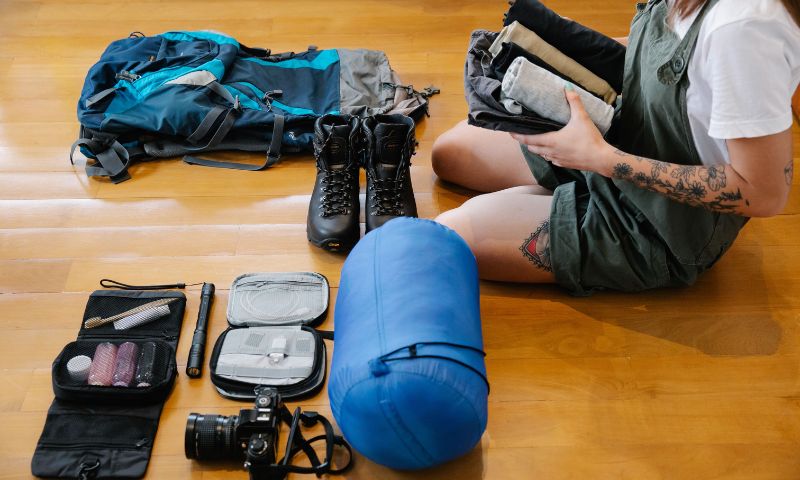
- Main bag: A medium-sized soft duffel or suitcase that stays in your vehicle or hotel during treks. This holds your extra clothing, documents, and non-essential items.
- Day pack: A 20 to 30 litre backpack for the Kedarnath and Yamunotri treks. It should carry water, rain gear, snacks, sunscreen, a warm layer, and your camera or phone. Keep it under 5 kg for comfortable trekking.
- Rain cover: A waterproof cover for your day pack. If your pack does not come with one, a large plastic bag works as a backup.
- Waterproof pouch: For documents, phone, and cash during treks.
Avoid overpacking. You will be moving between hotels and vehicles frequently, and excess luggage becomes a burden. Pack for 10 to 12 days, but keep your day pack light enough to carry comfortably for 6 to 8 hours.
What Not to Pack
Just as important as what to bring is what to leave behind.
- Heavy woollen sweaters (a fleece jacket is lighter and warmer)
- Jeans or cotton trousers for treks (slow to dry, heavy when wet)
- Leather shoes or formal footwear
- Excessive electronics (a phone and a power bank cover most needs)
- Large umbrellas (a poncho or rain jacket is more practical on treks)
- Non-vegetarian snacks or alcohol (these are prohibited near the Dham areas)
If you are booking your yatra through a tour operator like Traveloi, check what is included in the Char Dham Yatra package from Delhi. Meals, transport, and some logistics may already be covered, which reduces what you need to carry.
For a broader overview of the yatra route, registration, and seasonal conditions, the complete Char Dham Yatra guide on Traveloi is a useful starting point.
FAQs
Do I need warm clothes for Char Dham Yatra in summer?
Yes. Even in May and June, temperatures at Kedarnath and Yamunotri can drop to 0 to 5 degrees Celsius at night. A fleece jacket, thermals, warm socks, and a windproof outer layer are essential. Layering is the most effective approach.
What kind of shoes should I wear for the Kedarnath trek in summer?
Sturdy trekking shoes with ankle support and good grip are recommended. The 18 km trek from Gaurikund includes uneven paths, muddy stretches, and river crossings. Break in your shoes before the trip. Avoid sandals, formal shoes, and brand-new footwear.
Is sunscreen necessary for Char Dham Yatra in summer?
Absolutely. UV exposure at 3,000 metres and above is significantly stronger than at sea level. SPF 50+ sunscreen, UV-protective sunglasses, and an SPF lip balm are all important. Sunburn and chapped lips are common among unprepared travellers.
What documents do I need for Char Dham Yatra?
You need an Aadhaar card (original and photocopy), a printed Char Dham Yatra registration confirmation, hotel booking receipts, and an emergency contact list. A medical fitness certificate may be required for the Kedarnath trek, especially for travellers over 60.
Should I carry altitude sickness medicine for Char Dham Yatra?
It is advisable, especially for the Kedarnath and Yamunotri legs. Acetazolamide (Diamox) is commonly used but should be taken only after consulting your doctor. Stay hydrated, walk slowly, and acclimatise at lower altitudes before ascending.
How heavy should my day pack be for the Kedarnath trek?
Keep your day pack under 5 kg. It should carry water, snacks, rain gear, a warm layer, sunscreen, and your phone or camera. Porters and ponies are available along the Kedarnath route for heavier luggage if needed.