
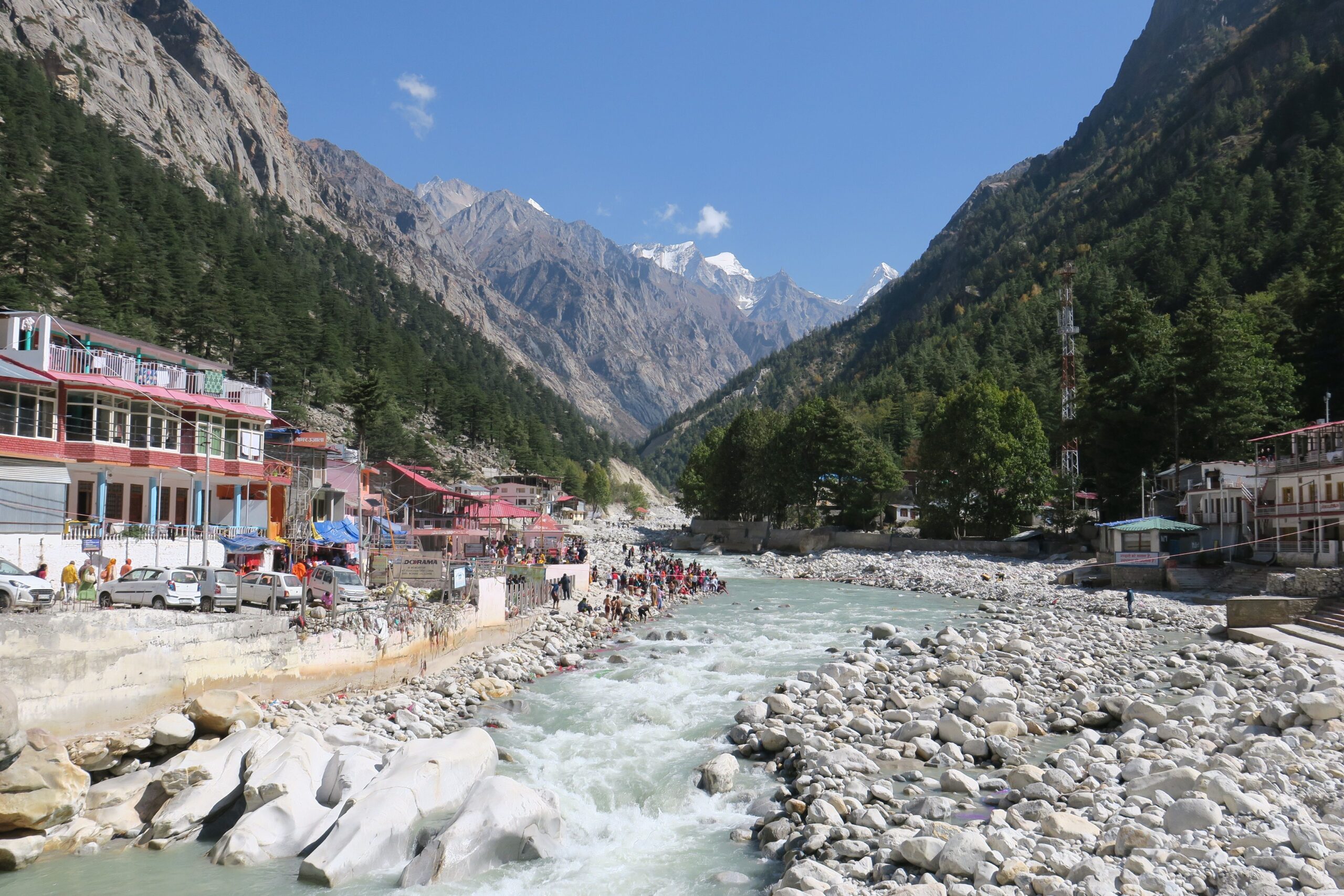
The Yamunotri Dham pilgrimage sits quietly at the top of many spiritual bucket lists in India, and for good reason. Tucked into the Garhwal Himalayas at around 3,293 metres, this shrine marks the symbolic origin of the sacred Yamuna river and forms the first stop on the revered Chota Char Dham circuit. Every year, thousands of devotees walk uphill, breathe thin mountain air, and bow before Goddess Yamuna in search of blessings, reflection, and a moment of stillness. If you are considering this journey in 2026, this guide breaks down everything you need to know before you pack your bag and lace up your walking shoes.
Where is Yamunotri Dham Located
Yamunotri Dham is located in the Uttarkashi district of Uttarakhand, deep inside the Garhwal Himalayan range. The shrine sits in a narrow gorge, framed by dense pine forests, snow capped peaks, and the roaring Yamuna river that begins its long journey to the plains from just above the temple. The nearest motorable point is Janki Chatti, from where pilgrims begin the trek to the temple. Yamunotri is the westernmost of the four Chota Char Dham sites, followed on the circuit by Gangotri, Kedarnath, and Badrinath. Its remote setting is a large part of its appeal. The moment you step off the road at Janki Chatti, the noise of modern travel fades and something quieter takes over.
The Spiritual Story Behind Yamunotri
Yamunotri is dedicated to Goddess Yamuna, the daughter of Surya the Sun God, and the twin sister of Yama, the God of Death. According to Hindu belief, taking a holy dip in the Yamuna waters here protects devotees from a painful death and helps wash away accumulated karma. The current temple was originally built by Maharani Guleria of Jaipur in the 19th century, though the site itself has been worshipped for far longer. It was the 8th century philosopher Adi Shankaracharya who is credited with formalising the Char Dham tradition that eventually gave Yamunotri its place on the pilgrimage map. Beyond the mythology, the shrine represents something universal, a pause, a bow, and a reminder that rivers, like lives, come from a source worth honouring. Every ritual performed here carries a quiet emotional weight, whether you arrive as a devout believer or a curious traveller.
Best Time to Plan Your Yamunotri Yatra
The Yamunotri temple opens on Akshaya Tritiya, which usually falls in late April or early May, and closes around Yama Dwitiya near Diwali in late October or early November. Exact opening dates for the 2026 season should be confirmed with your tour operator or the Uttarakhand Char Dham Devasthanam Board closer to travel. The most comfortable months for a Yamunotri Yatra are May, June, September, and early October. The monsoon window from July to early September is best avoided due to a real risk of landslides, road closures, and flooded trekking sections. If you prefer smaller crowds and clearer mountain views, plan a late September or early October visit. Just carry warmer layers, since temperatures drop quickly once the sun dips behind the ridges.
How to Reach Yamunotri Dham
Reaching Yamunotri involves a mix of air, rail, and road travel, followed by a short but demanding trek.
By Air
The nearest airport is Jolly Grant in Dehradun, roughly 210 kilometres from Janki Chatti. From there, taxis and pre booked cabs run to Barkot and Janki Chatti through scenic mountain routes.
By Rail
Dehradun and Rishikesh are the closest major railway stations. Both are well connected to Delhi and other cities, and both offer easy onward road transfers to Barkot.
By Road
The most common route is Delhi to Haridwar to Rishikesh to Barkot to Janki Chatti. The final stretch from Barkot to Janki Chatti covers around 45 kilometres of steep, winding mountain road. Many pilgrims choose to break the journey at Barkot for a night to acclimatise before the trek. If you prefer a faster and less physically taxing option, Traveloi also curates a helicopter based journey that dramatically reduces travel time. You can review the full route and inclusions on the Chardham Yatra by Helicopter page for a clearer picture.
The Janki Chatti to Yamunotri Temple Trek
The final leg to the shrine is a 6 kilometre trek from Janki Chatti to the temple. The path is paved for most of the route, but it climbs steadily and can feel tough on knees and lungs, especially for first time trekkers or older pilgrims. A one way walk typically takes three to five hours depending on fitness and pace. For those who cannot manage the trek, ponies, palkis, and porters are available at fixed local rates. It is wise to negotiate and confirm charges before starting. Carry water, a walking stick, sunscreen, a light rain jacket, and dry snacks. Start early in the day so you can complete darshan and return before evening light fades. The trail is dotted with tea stalls and small resting spots, so short breaks are easy to fit in. Comfortable trekking shoes make a bigger difference here than most people expect.
Rituals and Highlights at the Yamunotri Temple
Once at the shrine, the ritual sequence is fairly intuitive. Most pilgrims begin at Surya Kund, a naturally hot thermal spring where devotees cook rice and potatoes wrapped in cloth as prasad. Next comes a dip or symbolic sprinkle at Jamnabai Kund, followed by prayers at Divya Shila, a sacred rock pillar worshipped before entering the main sanctum. Inside the temple, the idol of Goddess Yamuna is carved from black marble, while a silver idol of Goddess Ganga sits alongside her. The atmosphere is intimate rather than grand, and the sound of the Yamuna crashing outside becomes the temple’s natural soundtrack. Devotees typically spend one to two hours at the top before beginning the descent to Janki Chatti.
Practical Tips for a Smooth Yamunotri Pilgrimage
A few grounded tips can make a real difference on this journey.
Book stays in Barkot, Kharsali, or Janki Chatti well in advance during peak season, as options are limited.
Register in advance through the official Uttarakhand tourism portal, which is mandatory for all Char Dham pilgrims.
Carry a small medical kit, essential prescription medicines, and altitude sickness precautions if you have a history of breathing issues.
Keep cash handy since network and card machines can be unreliable at higher altitudes.
Dress modestly for the temple and carry a light shawl or stole for cooler mornings.
Respect the fragile mountain environment by avoiding plastic and carrying back your waste.
If you are travelling with elderly parents or young children, consider building a rest day in Barkot before the trek. For a wider spiritual circuit, many families combine this yatra with the rest of the Chota Char Dham. You can explore Traveloi’s detailed Char Dham Yatra planning guide to understand how the four shrines fit together across a single itinerary. Travellers starting from the capital can look at the Chardham Yatra from Delhi package for a ready to book route with clear day wise inclusions.
Frequently Asked Questions
Q. What is the significance of the Yamunotri Dham pilgrimage?
Yamunotri marks the symbolic origin of the Yamuna river and is dedicated to Goddess Yamuna. Devotees believe that a holy dip here cleanses karma and offers protection from a painful death, since Yamuna is the sister of Yama, the God of Death.
Q. How long does the Yamunotri trek take?
The trek from Janki Chatti to the Yamunotri temple is around 6 kilometres one way and typically takes three to five hours, depending on fitness and pace. Ponies and palkis are available for those who cannot walk the full distance.
Q. When does the Yamunotri temple open in 2026?
The temple usually opens on Akshaya Tritiya in late April or early May and closes around Yama Dwitiya near Diwali. Confirmed 2026 opening dates should be verified with your tour operator closer to travel.
Q. Is Yamunotri part of the Char Dham Yatra?
Yes. Yamunotri is the first of the four Chota Char Dham sites, followed by Gangotri, Kedarnath, and Badrinath in the traditional pilgrimage sequence.
Q. Which is the nearest airport and railway station to Yamunotri?
Jolly Grant in Dehradun is the nearest airport, and Dehradun and Rishikesh are the closest major railway stations. Road transfers from either point take you through Barkot to Janki Chatti.
Q. Is the Yamunotri trek suitable for senior citizens?
It is possible with adequate preparation. Seniors are advised to acclimatise for a day at Barkot, hire a pony or palki for the trek, and consult a doctor before travel, especially for altitude related concerns.