
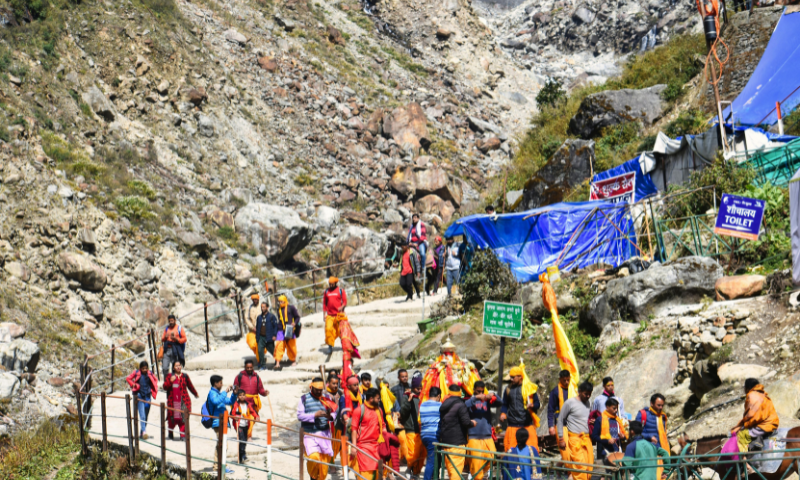
There are five mountains in the Himalayas that Hindu scripture identifies as the earthly residences of Lord Shiva. Together, they form the Panch Kailash Yatra, a pilgrimage circuit that spans across Tibet, Uttarakhand, and Himachal Pradesh. Most pilgrims know about Mount Kailash in Tibet. Far fewer know that four more sacred peaks carry the same divine significance, and that completing all five is believed to lead the soul toward moksha (liberation from the cycle of rebirth).
This is not a casual bucket-list journey. The Panch Kailash pilgrimage demands physical preparation, mental resilience, and genuine spiritual intent. But for those who take it seriously, few journeys in the world match the depth of transformation it offers.
Here is everything you need to know about the five sacred mountains of Lord Shiva, how to plan your visits, and what to expect on each route.
What Is the Panch Kailash Yatra?
The term “Panch Kailash” translates to “five Kailash” and refers to five Himalayan peaks, each believed to be a manifestation of Lord Shiva’s divine abode. Hindu texts describe these peaks as places where Shiva, along with Goddess Parvati, resides in eternal meditation.
The five Kailash mountains are:
- Kailash Mansarovar (Tibet Autonomous Region, China)
- Adi Kailash, also known as Chhota Kailash (Uttarakhand, India)
- Kinnaur Kailash (Himachal Pradesh, India)
- Manimahesh Kailash (Himachal Pradesh, India)
- Shrikhand Mahadev (Himachal Pradesh, India)
Each peak holds a unique mythological story, a different level of physical challenge, and its own spiritual significance. Pilgrims often visit one or two peaks per year, building toward completing the entire circuit over time.
The Five Sacred Kailash Peaks: A Closer Look
1. Kailash Mansarovar: The Supreme Abode
Mount Kailash in Tibet stands at 6,638 metres and is considered the holiest of the Panch Kailash peaks. Hindus revere it as Shiva’s primary residence. Buddhists identify it with Mount Meru, the spiritual centre of the universe. Jains and followers of the Bon religion also hold it sacred.
The pilgrimage involves a 52-kilometre parikrama (circumambulation) around the base of the mountain, typically completed over three days. The highest point on this circuit is the Dolma La Pass at 5,636 metres, which tests even well-prepared trekkers.
Lake Mansarovar, located near the base, is among the highest freshwater lakes in the world. Pilgrims take a holy dip here, believing it purifies the soul.
Getting here requires a Chinese visa, Tibet travel permits, and significant logistical planning. That is precisely why a well-organized Kailash Mansarovar yatra package makes a real difference. Traveloi handles permits, acclimatization schedules, Sherpa support, and medical backup so you can focus on the spiritual aspect of the journey.
Best time to visit: May to September, with June and September offering the clearest skies.
2. Adi Kailash: The Kailash Mountain Within India
Located near the Indo-Tibetan border in Uttarakhand’s Pithoragarh district, Adi Kailash rises to approximately 6,310 metres. Its pyramid shape closely mirrors Mount Kailash in Tibet, which is why it is called Chhota Kailash (Little Kailash).
Hindu scriptures describe Adi Kailash as Lord Shiva’s first dwelling place on earth. The word “Adi” means “primordial” or “original.” Near the peak lies Parvati Sarovar, a sacred lake where pilgrims offer prayers and meditate for inner peace.
The route from Kathgodam passes through Dharchula, Gunji, and Kuti villages before reaching Jolingkong, the high-altitude plain close to the peak. Most of the journey is now accessible by road, thanks to improvements by the Border Roads Organisation. An Inner Line Permit (ILP) is mandatory, as the region sits near international borders.
For those who cannot undertake the Kailash Mansarovar Yatra in Tibet due to health, visa, or budget constraints, Adi Kailash offers a spiritually fulfilling alternative on Indian soil. A structured Adi Kailash tour package typically covers permits, accommodations, meals, experienced guides, and acclimatization days across a 9 to 12 day itinerary.
The yatra also includes a visit to Om Parvat, a peak in the same region that carries a naturally formed snow pattern resembling the Hindu symbol Om. For many pilgrims, the sight of Om Parvat alone is worth the entire journey. You can read more about the sacred significance of Adi Kailash and Om Parvat to understand why this leg of the pilgrimage is gaining serious attention.
Best time to visit: May to October, with September and October ideal for clear mountain views.
3. Kinnaur Kailash: The Sacred Shivling Rock
Kinnaur Kailash is located in the Kinnaur district of Himachal Pradesh at around 6,050 metres. What makes this peak distinctive is a massive natural rock formation near the summit that resembles a Shivling (a representation of Lord Shiva). The rock changes colour with the seasons, a phenomenon that adds to its mystical reputation.
The trek to Kinnaur Kailash is moderately difficult and passes through dense forests, meadows, and glacial terrain. The route begins from Tangling village near Kalpa and takes approximately 3 to 4 days.
This yatra is sacred to both Hindus and Buddhists. Local Kinnauri communities have their own traditions and rituals tied to the mountain, giving this pilgrimage a distinct cultural layer.
Best time to visit: June to September, avoiding the peak monsoon weeks.
4. Manimahesh Kailash: Shiva’s Throne in Chamba
Manimahesh Kailash sits in the Chamba district of Himachal Pradesh at an elevation of about 5,653 metres. At its base lies Manimahesh Lake, a glacial lake considered sacred by devotees. Legend says that Lord Shiva created this lake after performing penance here.
The Manimahesh Yatra, typically held during the Janmashtami period in August or September, draws a large number of pilgrims annually. The trek from Hadsar to the lake covers roughly 13 kilometres and is classified as moderate in difficulty.
Among the Panch Kailash peaks, Manimahesh is considered the most accessible and is a good starting point for pilgrims planning their first Kailash yatra. Helicopter services are also available during the yatra season for those who cannot trek.
Best time to visit: August to September, aligning with the annual Manimahesh Yatra.
5. Shrikhand Mahadev: The Most Challenging Climb
Shrikhand Mahadev in Himachal Pradesh’s Kullu district is the toughest of all five Kailash pilgrimages. The peak reaches approximately 5,227 metres, and the trek to the summit is physically gruelling. Narrow ridges, glacial stretches, and unpredictable weather make this a serious mountaineering challenge.
At the summit sits a natural rock Shivling, believed to be the spot where Lord Shiva meditates. The trek typically takes 5 to 7 days and is accessible only during a narrow window in June and July.
This yatra is not recommended for beginners or those without prior trekking experience. Proper fitness training, high-altitude gear, and experienced guides are essential.
Best time to visit: Late June to mid-July, the only safe window for the trek.
How to Plan the Panch Kailash Yatra
Completing all five Kailash pilgrimages in a single trip is not practical due to geographical spread, seasonal windows, and the physical demands involved. Most devotees plan one or two yatras per year and complete the full circuit over several years.
A suggested approach for planning:
- Begin with the more accessible peaks like Manimahesh Kailash or Adi Kailash. These require moderate fitness and have well-established support infrastructure.
- Progress to Kinnaur Kailash and Shrikhand Mahadev as your trekking experience and fitness levels grow.
- Plan the Kailash Mansarovar Yatra last, since it requires international permits, higher fitness standards, and more complex logistics.
For the Uttarakhand-based yatras, the 8-day Adi Kailash and Om Parvat tour from Kathgodam is a well-paced option that includes acclimatization stops and cultural experiences along the route.
If you are already planning a broader Uttarakhand pilgrimage, combining Adi Kailash with the Char Dham circuit can create a more comprehensive spiritual journey. The two routes complement each other well, covering both the Garhwal and Kumaon Himalayan regions.
Physical Preparation and Safety Tips
High-altitude pilgrimage is not something to take lightly. Here are the essentials:
- Start physical training at least 3 to 4 months before your trip. Daily brisk walking, stair climbing, and light jogging build the stamina you will need.
- Practice breathing exercises and pranayama. These help your lungs adjust to lower oxygen levels at altitude.
- Get a full medical check-up before booking. Pilgrims with heart, lung, or blood pressure conditions should consult a doctor.
- Acclimatize properly during the yatra. Do not rush through altitude gains. Organized tour packages typically build in rest days for this purpose.
- Pack warm layers, waterproof outerwear, sturdy trekking shoes, sunscreen, and personal medicines.
For those planning the Kailash Mansarovar route, understanding the best season for the Kailash Mansarovar yatra helps you avoid the monsoon disruptions and pick a window with stable weather.
Traveloi’s pilgrimage itineraries are built with acclimatization days, medical support, and experienced guides as standard. The team also handles permits, packing checklists, and provides special support for senior travellers and first-time pilgrims.
Why the Panch Kailash Yatra Matters Beyond Religion
You do not have to be deeply religious to find value in these journeys. The physical challenge builds resilience. The isolation from screens and urban noise forces genuine self-reflection. The Himalayan landscapes, from glacial lakes to alpine meadows to remote villages with centuries-old traditions, offer a perspective shift that is hard to replicate anywhere else.
The Panch Kailash pilgrimage also plays a role in preserving fragile Himalayan ecosystems. Responsible pilgrimage tourism, when managed well, supports local communities and brings attention to the environmental challenges these regions face. That is something worth thinking about as you plan your trip.
For a broader look at what Uttarakhand offers spiritually, the Pilgrimage tour packages on the Traveloi website cover options ranging from single-shrine visits to multi-week circuits across the state.
FAQs: Panch Kailash Yatra
Q1. What are the five Kailash mountains in the Panch Kailash Yatra?
The five sacred Kailash peaks are Kailash Mansarovar (Tibet), Adi Kailash (Uttarakhand), Kinnaur Kailash (Himachal Pradesh), Manimahesh Kailash (Himachal Pradesh), and Shrikhand Mahadev (Himachal Pradesh). Each is believed to be a residence of Lord Shiva and holds deep spiritual significance in Hinduism.
Q2. Can I complete the entire Panch Kailash Yatra in one trip?
It is not practical to complete all five in a single trip. The peaks are spread across different states and countries, each with different seasonal windows and permit requirements. Most pilgrims plan one or two yatras per year and work toward completing the full circuit over time.
Q3. Which Kailash pilgrimage is easiest for first-time pilgrims?
Manimahesh Kailash in Himachal Pradesh is considered the most accessible, with a moderate 13-kilometre trek and helicopter options during the yatra period. Adi Kailash is also suitable for first-timers since most of the route is now accessible by road.
Q4. What is the best time to plan a Panch Kailash pilgrimage?
Most Kailash yatras are accessible between May and September. Adi Kailash has a longer window from May to October. Shrikhand Mahadev has the shortest window, limited to late June and July. The Kailash Mansarovar Yatra runs from May to September, with June and September offering the best weather conditions.
Q5. Do I need special permits for the Panch Kailash Yatra?
Yes. Adi Kailash requires an Inner Line Permit (ILP) as it is near the Indo-Tibetan border. Kailash Mansarovar in Tibet needs a Chinese visa, Tibet Travel Permit, and additional government clearances. The Himachal Pradesh peaks (Kinnaur, Manimahesh, Shrikhand) may require local permits or forest department permissions depending on the route.
Q6. How physically demanding is the Panch Kailash Yatra?
Difficulty varies by peak. Manimahesh and Adi Kailash are moderate and suitable for pilgrims with basic fitness. Kinnaur Kailash requires more trekking experience. Shrikhand Mahadev is the most physically demanding, involving glacial terrain and steep ridges. Kailash Mansarovar in Tibet includes a 52-kilometre parikrama at altitudes above 5,000 metres.
Q7. Is the Adi Kailash Yatra a good alternative to Kailash Mansarovar?
Yes. For pilgrims who cannot travel to Tibet due to health, visa, or cost constraints, Adi Kailash is widely regarded as a spiritually equivalent alternative. Located entirely within India, it offers a meaningful pilgrimage experience with better accessibility and fewer logistical hurdles.
