
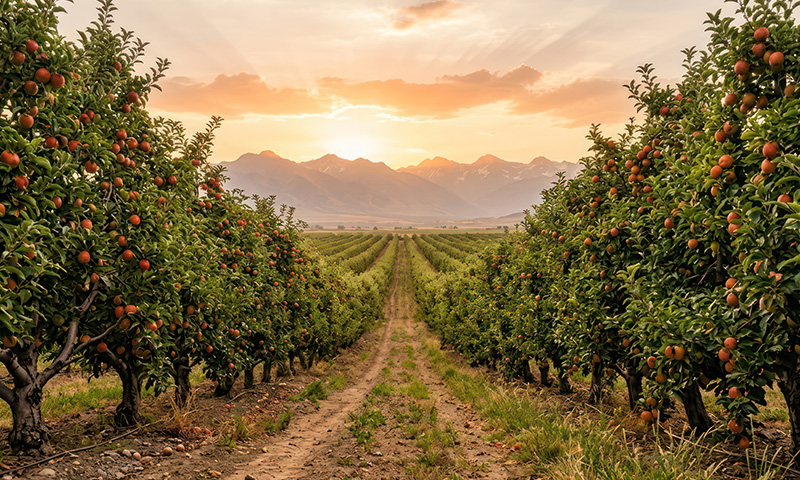
Some hill destinations ask you to rush. Peora asks you to stop. This small hamlet in the Kumaon hills of Uttarakhand sits at roughly 2,000 metres, wrapped in pine and oak forest, with terraced orchards stepping down its slopes. There is no mall road here, no traffic, no attraction checklist. What you get instead is fruit trees, birdsong, long forest walks, and the kind of unhurried village rhythm that slow travellers cross the country to find.
This guide to Peora village Kumaon covers what makes the hamlet special, when to visit, how to reach it, where to stay, and how to plan it well.
Where Is Peora and Why It Stays Quiet
Peora sits in the Nainital district of Uttarakhand, close to Mukteshwar and within comfortable reach of Almora. Locals often call it the fruit bowl of Uttarakhand because orchards shape both its landscape and its economy. A few hundred families live here, most of them involved in farming and horticulture.
The reason it stays quiet is simple. Peora has no commercial centre and almost no market. Travellers who need cafes, shopping, and nightlife skip it, which leaves the trails, viewpoints, and orchards to people who actually want them. On clear days, the horizon opens into a long sweep of snow peaks, with views stretching toward Nanda Devi and the higher ranges of the Kumaon hills.
The Fruit Orchards of Peora
Orchards are the heart of this village. Terraced plots step down the hillsides, and fruit trees grow around homes, along footpaths, and beside temple courtyards. In blossom season the slopes turn white and pink. In harvest months, the same slopes smell of ripening fruit.
What grows in Peora’s orchards
- Apples, the signature crop of the higher Kumaon belt
- Peaches and plums, which ripen through early summer
- Apricots, often dried or turned into preserves by local households
- Pears, a dependable mid season crop
- Kafal, a wild Himalayan berry gathered from forest edges rather than farms
Fruit picking in Kumaon, done right
Fruit picking in Kumaon is a genuine highlight, but these orchards are working farms, not photo props. A few simple habits keep the experience fair for everyone.
- Always ask the farmer or your homestay host before entering an orchard
- Pay for what you pick, since it supports the household directly
- Handle branches gently, because damaged limbs hurt next year’s crop
- Carry a cloth bag and leave no wrappers behind
Most homestays arrange orchard visits with the owners themselves, which is the easiest and most respectful way in.
Slow Travel in Peora: What a Day Actually Looks Like
Slow travel in Uttarakhand is less about doing nothing and more about doing fewer things with full attention. Peora is built for exactly that.
Walks and forest trails
The village is laced with footpaths through pine and oak. The Peora to Mukteshwar trek is the best known route, a gentle forest walk with Himalayan views for much of its length. Longer trails head toward Almora for anyone with more time and stamina. Birdwatchers do well here too, so pack binoculars even if you are a casual spotter. If you prefer guided walks, curated trekking tours across Uttarakhand can fold a Peora trail into a wider Kumaon circuit with local guides and planned logistics.
Village life, food, and small rituals
Mornings begin with tea on a terrace facing the peaks. Afternoons might hold a walk to a nearby temple, a conversation with an orchard owner, or a little help with farm chores. Meals lean on Kumaoni staples such as aloo ke gutke, bhatt ki churkani, mandua rotis, and seasonal fruit straight from the trees. Evenings belong to the stars, because light pollution here is close to zero.
Best Time to Visit Peora Village
Each season hands you a different village.
- March to April: orchard blossoms, mild days, and clear mountain views
- May to early July: fruit harvest, the liveliest period in the orchards
- July to September: monsoon greenery and mist, with occasional leeches on forest trails
- October to November: crisp air, sharp Himalayan visibility, and warm autumn light
- December to February: cold, silent days with occasional light snowfall
For orchard experiences, the harvest window wins easily. For walking and photography, autumn is hard to beat. Confirm harvest timing with your host before booking, since it shifts slightly each year.
How to Reach Peora from Kathgodam
Kathgodam is the nearest major railhead, with regular trains from Delhi. From there, Peora is a scenic taxi ride of roughly three hours, climbing past Bhimtal and the Ramgarh fruit belt. Pantnagar is the nearest airport, though flights are limited, so most travellers choose the overnight train or a direct drive from Delhi.
The final stretch of road is narrow and winding, and an experienced hill driver is worth the small premium. Many visitors pair Peora with Nainital, Mukteshwar, or Almora, since all three sit along connected routes.
Where to Stay: Homestays and Orchard Stays
Peora has no large hotels, and that is part of its appeal. Accommodation runs from heritage style bungalows to family run homestays in Peora village, many of them set inside working orchards. Expect home cooked food, warm hosts, and simple, honest rooms rather than resort polish. Book early for blossom and harvest periods, because inventory is small and the best orchard stays fill up fast.
A Simple Three Day Peora Itinerary
- Day 1: Arrive from Kathgodam by early afternoon, settle into your homestay, and take an easy orchard walk before evening tea
- Day 2: Walk the Peora to Mukteshwar trail in the morning, visit Mukteshwar Dham temple and Chauli ki Jali, then return for a Kumaoni dinner
- Day 3: Join a local farmer for a fruit picking session, enjoy a slow breakfast, and drive out via Almora or back to Kathgodam
Travelling with parents or young children? Soften the plan further, since Peora rewards anyone who builds in empty hours. Structured family tours across Uttarakhand can also slot Peora in as a quiet pause between busier stops.
Responsible Travel in Peora: Small Habits That Matter
Offbeat places in Kumaon stay beautiful only when visitors treat them with care.
- Carry a reusable bottle, since small villages have no good disposal route for plastic
- Buy local produce, preserves, and herbal products so money stays in the village
- Keep noise low, especially near orchards and bird habitats
- Stick to marked trails to protect undergrowth and terraced fields
- Ask before photographing homes and people
Plan Your Kumaon Trip with Confidence
A Peora trip is easy to plan on paper and easy to get wrong in practice. Road conditions, homestay quality, and harvest timing all vary, and local knowledge makes the difference. Traveloi, an Uttarakhand based tour operator, builds customised Uttarakhand tour packages that can place Peora alongside Nainital, Mukteshwar, and Almora, with vetted stays, experienced hill drivers, and support through the journey. Travellers drawn to deeper Kumaon can even pair a Peora stopover with the Adi Kailash Om Parvat Yatra, which runs through the same region.
A few ways forward:
- Still researching: shortlist your season first, then match your dates to blossom, harvest, or autumn views
- Comparing routes: request a day wise Kumaon plan built around your dates and group
- Ready to book: contact Traveloi to lock in orchard season homestays early, since the good ones go first
FAQs About Peora Village Kumaon
What is Peora village in Kumaon famous for?
Peora is known for its fruit orchards, forest trails, and quiet village life. Often called the fruit bowl of Uttarakhand, it grows apples, peaches, plums, apricots, and pears, and it attracts travellers looking for slow, nature led holidays rather than busy sightseeing.
What is the best time to visit Peora village?
March to April brings orchard blossoms, May to early July is harvest time, and October to November offers the clearest Himalayan views. Choose harvest season for fruit picking and autumn for walks and photography. Winters are cold and quiet, with occasional light snowfall.
How do I reach Peora from Delhi?
Take an overnight train from Delhi to Kathgodam, then a taxi for the final climb of roughly three hours. You can also drive from Delhi or fly to Pantnagar, though flights are limited and most people go by road.
Is Peora quieter than Mukteshwar?
Yes. Mukteshwar now draws steady tourist traffic, while Peora nearby remains a working farm village with no market and very few visitors. Many travellers stay in Peora and visit Mukteshwar as a day walk, getting the views without the crowds.
What are the main things to do in Peora?
Walk the forest trails, join a fruit picking session, watch birds in the pine and oak woods, eat home cooked Kumaoni food, and stargaze at night. The Peora to Mukteshwar walk and visits to nearby temples round out a relaxed two or three day stay.
Are there good homestays in Peora village?
Yes, Peora offers family run homestays and heritage style bungalows, several of them set within orchards. Rooms are simple and clean, food is home cooked, and hosts often arrange orchard visits. Book well ahead for blossom and harvest months, since options are limited.
Can I combine Peora with a longer Uttarakhand trip?
Easily. Peora pairs well with Nainital, Mukteshwar, Almora, and Binsar on a Kumaon circuit, and it works as a restful stop on longer journeys through the region. A customised itinerary can balance Peora’s slow days with busier destinations on either side.