
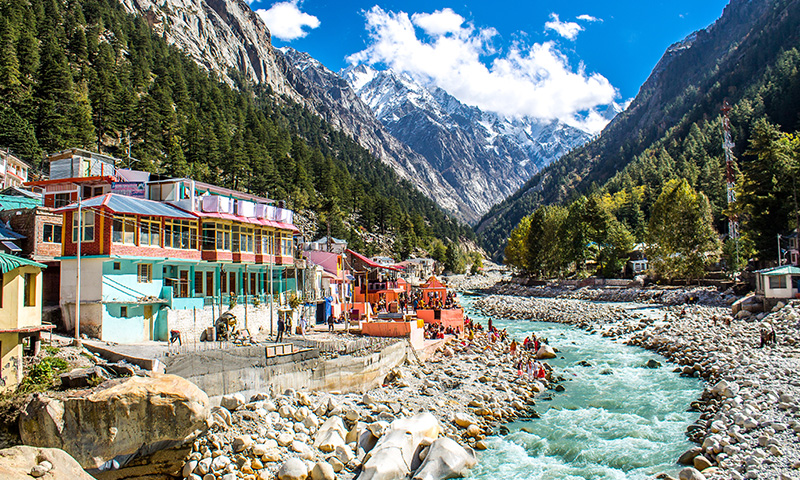
Uttarakhand carries a weight that most destinations do not. Its ridges hold the sources of the Ganga and Yamuna. Its valleys shelter communities whose calendars still follow harvests and pilgrimages. Its high passes remain some of the most ecologically sensitive terrain in India. When footfall grows without care, the cost shows up quickly: plastic strewn trails near Kedarnath, congested roads before Gangotri, and villages where water sources run thin during peak season.
Responsible tourism in Uttarakhand is not a marketing label. It is a working agreement between the visitor and the place. This guide lays out a clear traveller’s code of conduct for anyone who wants their trip to leave the state better than they found it.
Why Responsible Tourism in Uttarakhand Matters
The state sits inside one of the most biodiverse yet fragile mountain systems on the planet. The Indian Himalayan Region supports a significant share of the country’s endemic species, and its glaciers feed rivers that sustain hundreds of millions of people downstream.
Independent research bodies, including the Wildlife Institute of India in Dehradun, have consistently flagged how unregulated footfall, plastic waste, and off trail movement disturb Himalayan wildlife and alpine vegetation. Local livelihoods depend on the same ecosystem. Homestay owners in Munsiyari, mule handlers on the Kedarnath route, and forest department guides in Corbett all draw income from a landscape that cannot absorb unlimited pressure.
Responsible travel does three things at once:
- It protects water sources, forests, and wildlife corridors across Garhwal and Kumaon.
- It keeps tourism revenue inside the villages that host you.
- It preserves cultural practices that make Uttarakhand distinct from any other mountain state.
The Traveller’s Code of Conduct
1. Respect Local Culture and Communities
Kumaoni and Garhwali communities have their own languages, deities, and social rhythms. A little awareness goes a long way.
- Ask before photographing people, temples, or private homes.
- Remove footwear at temple entrances and cover shoulders and knees at religious sites.
- Learn a few phrases in Hindi or Garhwali such as namaste and dhanyavaad.
- Keep music low at homestays, especially after sunset in village settings.
- Avoid touching idols, ritual items, or offerings unless invited.
Pilgrimage circuits like Char Dham are living traditions, not tourist attractions in the conventional sense. Behaving as a respectful guest, rather than a paying customer, changes the entire experience for both you and your hosts.
2. Protect Fragile Mountain Ecosystems
The alpine meadows of Valley of Flowers, the oak forests of Binsar, and the riverine belts of Rajaji all need careful footfall.
- Stay on marked trails, even when a shortcut looks tempting.
- Never pick flowers, uproot plants, or collect stones as souvenirs.
- Keep a safe distance from wildlife, and never feed monkeys or langurs.
- Avoid loudspeakers, drones, or firecrackers near forest areas and sanctuaries.
- Carry a reusable water bottle and refill at homestays or verified water points.
Small choices scale quickly when thousands of visitors make them each season. One careless picnic near a stream becomes a trend within weeks.
3. Manage Waste Responsibly
Plastic waste is Uttarakhand’s most visible tourism problem. On the Kedarnath and Hemkund routes, single use bottles and wrappers now litter the trail during peak months. A responsible traveller carries their waste out.
- Bring your own cloth bag, cutlery, and refillable bottle.
- Pack out everything you pack in, including biscuit wrappers and tissues.
- Choose homestays and cafes that use steel utensils instead of plastic.
- Segregate wet and dry waste when a homestay offers separate bins.
- Avoid sachet shampoos and toiletries; carry refillable travel bottles instead.
For trekkers, a small dry bag inside your backpack works well for collecting your own waste and any you find on the trail.
4. Choose Low Impact Transport and Stays
How you move through Uttarakhand matters as much as where you go.
- Use shared taxis or state transport where possible, especially on the Rishikesh to Joshimath and Kathgodam to Almora routes.
- Break long drives into two days rather than pushing through in one; it reduces road stress and gives your body time to acclimatise.
- Prefer homestays, forest rest houses, and small locally owned lodges over large chain hotels.
- Look for properties that use solar water heating, rainwater harvesting, or local building materials.
The Uttarakhand Tourism Development Board runs a homestay registration programme that has brought hundreds of village households into formal tourism. Booking through registered homestays keeps money local and encourages more villages to join the network.
5. Support Local Economies
Where your rupee lands decides whether a village thrives or empties out.
- Eat at family run dhabas and cafes rather than only chain outlets.
- Buy woollens, wild honey, ringal bamboo craft, and pahadi spices directly from producers.
- Hire local guides for treks, temple visits, and village walks.
- Tip fairly for portering, driving, and cooking services.
- Avoid haggling aggressively over small amounts; the difference matters far more to the seller.
For longer treks and pilgrimages, Traveloi works with local guiding cooperatives across Garhwal and Kumaon. Their guides carry generational knowledge of routes, weather, and etiquette that no app can replicate.
Responsible Tourism During Char Dham and Pilgrimage Travel
The Char Dham Yatra draws millions of pilgrims each season, and the pressure on Kedarnath, Badrinath, Gangotri, and Yamunotri is now a serious environmental concern. A responsible pilgrim keeps a few things in mind.
- Register in advance through the official Char Dham registration portal to help authorities manage daily footfall.
- Avoid single use plastic entirely on the yatra route.
- Do not overload mules or dandis; check that operators follow animal welfare rules.
- Respect queue systems at darshan, and avoid pushing or shouting inside temple premises.
- Carry your own medicines and altitude sickness preparation to reduce pressure on local medical camps.
Planning a slower, cleaner yatra with a trusted operator, such as through Traveloi’s Char Dham travel plans, makes it easier to travel with intention rather than in a rush.
Trekking with Care in the Himalayas
Uttarakhand’s trekking circuits, from Roopkund to Har Ki Dun, are seeing record interest. That interest needs discipline.
- Follow Leave No Trace principles: pack out waste, minimise fire use, and camp only at designated sites.
- Use established campsites rather than clearing new ground.
- Avoid open defecation; use portable toilet tents and cat holes well away from water sources.
- Never wash utensils or bathe directly in streams.
- Respect trekking permit systems and forest department instructions.
Small group treks reduce trail impact and give participants a richer experience. Browse Traveloi’s Himalayan trek experiences for curated itineraries built on these principles.
How Traveloi Approaches Responsible Travel
Traveloi builds itineraries around slower pacing, local ownership, and low impact stays. From village homestays in Kumaon to guided pilgrim journeys along the Char Dham circuit, the intent is to route tourism spending into the communities that host travellers, not away from them. The wider Traveloi network extends the same philosophy to international tours, bringing on ground expertise and thoughtful planning that adds real value at every stage of a trip.
If you want to plan a trip that reflects this approach, the Traveloi travel experiences page is a useful starting point for tailored Uttarakhand and Himalayan itineraries.
Plan a Trip That Gives Back
If you want your next Uttarakhand journey to sit lightly on the land and support the people who call it home, speak with the Traveloi team about custom Himalayan and Char Dham itineraries built on these principles. Slow travel, real communities, and a lighter footprint.
FAQs on Responsible Tourism in Uttarakhand
What does responsible tourism in Uttarakhand mean in practice?
It means travelling in ways that protect the state’s mountains, forests, and rivers while supporting local livelihoods. In practice, this includes avoiding single use plastic, respecting temple customs, hiring local guides, choosing registered homestays, and staying on marked trails.
Is the Char Dham Yatra safe for the environment?
The Char Dham Yatra can be done responsibly. Registering through official channels, carrying reusable bottles, avoiding littering, and choosing operators who follow waste and animal welfare rules all reduce the ecological pressure of the pilgrimage.
Which months are best for low impact travel in Uttarakhand?
Shoulder months such as late September to early November and March to April spread footfall away from peak monsoon and peak summer, giving trails, temples, and villages time to recover.
Are homestays better than hotels for sustainable travel in Uttarakhand?
Generally yes. Registered homestays keep tourism income within villages, offer authentic cultural exchange, and usually consume fewer resources than large hotels. They also spread demand across more communities rather than concentrating it in a few hill stations.
How can I trek responsibly in the Uttarakhand Himalayas?
Trek with a small group, follow Leave No Trace principles, use designated campsites, keep waste and washing far from water sources, and hire local guides. Responsible trekking in Uttarakhand also means respecting forest permits and altitude limits.
How does Traveloi help me plan a responsible trip to Uttarakhand?
Traveloi designs Uttarakhand itineraries around small groups, local guides, homestay networks, and pilgrimage routes planned for slower, more mindful travel.