
The Kailash Mansarovar Yatra has always demanded something more than just time and money. It asks for physical endurance, careful planning, and a willingness to push through one of the most remote terrains in the world. For decades, reaching Mount Kailash and Lake Mansarovar meant weeks of overland travel, treacherous high-altitude treks, and a real test of stamina. That has changed.
The helicopter route to Kailash Mansarovar has enabled a far wider group of pilgrims to complete this sacred journey. Older devotees, working professionals with limited leave, and those with moderate physical fitness can now reach the holy abode of Lord Shiva without enduring the grueling overland stretches that once defined the yatra.
But here is the thing. Not all helicopter routes are equal, and not every package calling itself a “helicopter yatra” actually delivers on its promise to reduce travel time. This guide breaks down the shortest helicopter route to Kailash Mansarovar, explains how it works, what it costs, what to expect at each stage, and how to avoid the common mistakes that catch first-time pilgrims off guard.
Why the Helicopter Route Has Become the Preferred Choice
The traditional overland route from Kathmandu to Kailash Mansarovar takes roughly 14 to 16 days. That includes multiple days of driving through Tibet, acclimatization stops, and the physically demanding three-day parikrama around Mount Kailash.
The helicopter route, by contrast, reduces the journey to roughly 9 to 12 days. The key difference lies in how you cover the Nepal leg of the journey, specifically the stretch from Nepalgunj to Simikot and then from Simikot to Hilsa on the Nepal-Tibet border.
By using a combination of mountain flights and chartered helicopter transfers, you bypass the roadless mountain terrain that would otherwise require days of trekking or waiting for weather clearances. This is what makes the Kailash Mansarovar helicopter route the fastest and most practical option for pilgrims who want to reach Mount Kailash without spending weeks on the trail.
The Shortest Route: Lucknow to Simikot to Hilsa
The shortest helicopter route to Kailash Mansarovar starts from Lucknow, India. Here is how it unfolds, stage by stage.
Lucknow to Nepalgunj (Road Transfer)
The journey begins with a drive from Lucknow to Nepalgunj, a border town in Nepal. This takes roughly four to five hours by air-conditioned coach. Nepalgunj serves as the logistics hub for all helicopter-based Kailash yatra departures via Nepal. On arrival, there is typically an evening briefing where your tour operator covers the next day’s flight schedules, safety protocols, and border formalities.
Some operators also offer a Kathmandu starting point, where pilgrims fly from Kathmandu to Nepalgunj by domestic flight before proceeding to Simikot. The Lucknow route, however, saves a full day compared to departures from Kathmandu, which is why it is considered the shortest overall route.
Nepalgunj to Simikot (Mountain Flight)
Early the next morning, pilgrims board a small mountain aircraft for a flight to Simikot. This flight takes about 45 to 55 minutes and offers aerial views of Nepal’s mid-hills and the Humla district landscape. Simikot sits at an altitude of 2,910 meters and serves as the staging point for the helicopter transfer to Hilsa.
An important note here: the Nepalgunj to Simikot flight is entirely weather-dependent. Delays of a few hours, and sometimes a full day, are common during the monsoon or when cloud cover is heavy. Smart operators, just like Traveloi, build buffer days into the itinerary for exactly this reason.
Simikot to Hilsa (Helicopter Transfer)
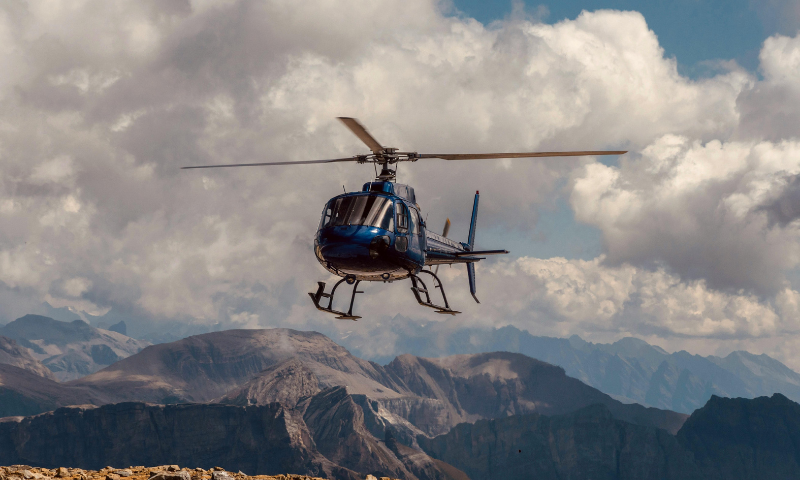
This is the defining leg of the helicopter yatra to Mount Kailash. The chartered helicopter flight from Simikot to Hilsa takes just 15 to 25 minutes and covers terrain that would otherwise be impassable by road. There is no alternative road route between Simikot and Hilsa, making the helicopter the only viable option.
Hilsa is a small border settlement on the Nepal-Tibet border. After landing, pilgrims complete immigration formalities on the Nepal side, walk across the friendship bridge, and then clear Chinese immigration on the other side. From here, a 25 to 30 kilometer drive brings you to Taklakot, also known as Purang, the first major town on the Tibetan plateau.
Taklakot to Lake Mansarovar to Mount Kailash
Once in Tibet, the journey continues by road. An acclimatization day in Taklakot is essential before driving roughly 200 kilometers to Lake Mansarovar. From Mansarovar, pilgrims proceed to Darchen, the base for the Kailash Parikrama.
The parikrama itself covers 52 kilometers over three days, crossing the Dolma La Pass at 5,636 meters, the highest and most challenging point of the entire yatra. For those who choose the shorter five-day helicopter itinerary, the Mansarovar darshan is included but the Kailash Parikrama is not. The full nine to eleven-day package covers both.
What Makes This Route the Shortest
Three factors set the Lucknow-Simikot-Hilsa helicopter route apart from every other option.
Time savings. The helicopter cuts the Simikot to Hilsa stretch from what would be a multi-day trek to a 20-minute flight. Combined with the Lucknow starting point (which avoids the extra Kathmandu-Nepalgunj flight day), the total journey is four to five days shorter than the overland alternative.
Physical accessibility. The helicopter route eliminates the most physically demanding portions of the Nepal side. Pilgrims still need reasonable fitness for the Kailash Parikrama in Tibet, but reaching Tibet itself becomes far less strenuous.
Flexibility. Operators offer packages ranging from five days (Mansarovar-only) to eleven days (full parikrama), allowing pilgrims to choose based on their available time and physical readiness. When selecting a Kailash Mansarovar yatra package, the helicopter option gives the most flexibility in terms of itinerary length.
Best Time for the Kailash Mansarovar Helicopter Yatra
The yatra season runs from May to September. Within this window, the best time for Kailash Mansarovar yatra depends on what you prioritize.
May to June offers the clearest skies, the most stable flying conditions, and the best views of Mount Kailash and Lake Mansarovar. This is ideal for helicopter travel since fewer weather disruptions mean fewer delays at Simikot and Hilsa.
September is the other preferred window. Post-monsoon clarity makes for excellent visibility, and the landscapes take on a fresh, dramatic quality. Crowds are thinner compared to the peak months.
July and August fall within the monsoon season. While the Tibetan plateau itself receives little rain, the Simikot and Hilsa sectors in Nepal are prone to cloud cover, heavy rain, and flight cancellations. If your dates fall in these months, plan for at least one or two buffer days in the itinerary.
Preparing for the Helicopter Yatra: Physical and Mental Readiness
Even though the helicopter route reduces physical strain, the yatra still takes you above 5,000 meters. Altitude sickness is a genuine risk, and preparation matters.
- Start walking or light jogging at least four to six weeks before departure
- Practice breathing exercises and basic yoga to improve lung capacity
- Stay hydrated and avoid alcohol in the week leading up to the trip
- Carry personal medications for blood pressure, diabetes, or asthma if applicable
- Diamox (acetazolamide) is commonly recommended for altitude sickness; consult your doctor before the trip
The acclimatization day in Taklakot is non-negotiable. Skipping it or rushing through it significantly increases the risk of altitude-related complications. Reputable operators, including Traveloi, build this rest day into every itinerary and provide oxygen support, trained staff, and medical backup throughout.
Adi Kailash: The Indian Alternative Worth Considering
Not every pilgrim can commit to the Nepal-Tibet route. Visa complications, health constraints, budget limitations, and time restrictions make the Kailash Mansarovar yatra inaccessible for some. This is where Adi Kailash enters the picture.
Located in the Kumaon Himalayas near the Indo-Tibetan border in Uttarakhand, Adi Kailash (also called Chota Kailash) stands at 6,310 meters and is revered as the Indian counterpart of Mount Kailash in Tibet. The yatra to Adi Kailash and Om Parvat takes 9 to 12 days, starts from Kathgodam or Haldwani, and is entirely within Indian territory, meaning no visa, no foreign permit, and no border crossing.
For first-time Himalayan pilgrims or those who prefer a route that does not require extreme fitness, an Adi Kailash tour package offers a complete and deeply spiritual alternative. The route passes through Pithoragarh, Dharchula, Gunji, and Nabhidhang, with Om Parvat’s natural snow formation of the sacred Om symbol being one of the most awe-inspiring sights on the entire journey.
Traveloi covers both the Kailash Mansarovar and the Adi Kailash routes, giving pilgrims the flexibility to choose based on their situation.
Common Mistakes to Avoid When Booking a Helicopter Yatra
Booking without buffer days. Weather disruptions at Simikot and Hilsa are not rare; they are expected. Any itinerary that does not include at least one extra day for flight delays is setting you up for stress. Always check if your return flight from Nepalgunj or Kathmandu allows changes.
Ignoring travel insurance. Emergency evacuation from high altitude areas costs significantly. A comprehensive travel and medical insurance policy that covers high-altitude travel, helicopter rescue, and trip cancellation is non-negotiable.
Underestimating the Kailash Parikrama. The helicopter gets you to Tibet quickly, but the parikrama still demands three days of walking at extreme altitude, including the Dolma La Pass at 5,636 meters. Physical preparation cannot be skipped.
Choosing the cheapest package. The lowest-cost operators sometimes cut corners on acclimatization time, medical support, or accommodation quality. A well-structured Kailash Mansarovar yatra package should clearly outline inclusions, exclusions, safety provisions, and contingency plans for delays.
What Documents Do You Need
Pilgrims on the Nepal-Tibet helicopter route need the following:
- A valid Indian passport with at least six months validity
- Chinese group visa (arranged by the tour operator through Nepal)
- Tibet travel permit (also arranged by the operator)
- Nepal transit visa (available on arrival or through the operator)
- Recent passport-sized photographs
- Medical fitness certificate from a registered doctor
Traveloi handles the Tibet permits and Chinese visa as part of their package. However, your passport must be submitted well in advance, typically four to six weeks before departure, for processing.
Other Pilgrimage Options to Explore
If you are drawn to Himalayan spirituality and sacred journeys, the Chardham Yatra in Uttarakhand covers the four holy shrines of Yamunotri, Gangotri, Kedarnath, and Badrinath. For those combining spiritual and cultural travel, Traveloi’s Nepal tour packages include Kathmandu, Pokhara, and Muktinath, all of which pair well with a Kailash Mansarovar yatra for pilgrims visiting the region. And if helicopter tours are something you prefer for comfort and time efficiency, Traveloi also operates helicopter-based Chardham Yatra packages from Dehradun.
Frequently Asked Questions
What is the shortest helicopter route to Kailash Mansarovar?
The shortest helicopter route to Kailash Mansarovar starts from Lucknow, India. You drive to Nepalgunj in Nepal, fly to Simikot by mountain aircraft, and then take a chartered helicopter to Hilsa on the Nepal-Tibet border. From Hilsa, you cross into Tibet and drive to Lake Mansarovar and Mount Kailash. This route can be completed in as few as 9 days, compared to 14 to 16 days for the overland route from Kathmandu.
How long is the Simikot to Hilsa helicopter flight?
The helicopter flight from Simikot to Hilsa takes approximately 15 to 25 minutes. There is no road connecting these two points, so the helicopter is the only way to cover this stretch. The flight passes over remote Himalayan terrain and is one of the most scenic portions of the entire yatra.
Is the Kailash Mansarovar yatra by helicopter from Lucknow safe for senior citizens?
Yes, the helicopter route significantly reduces the physical demands of the journey. The trekking portions are limited to the Kailash Parikrama in Tibet. Senior pilgrims should consult their doctor before booking, ensure adequate physical preparation, and choose a package that includes medical support, oxygen backup, and proper acclimatization stops. Operators like Traveloi provide trained staff and emergency support throughout the yatra.
How much does the Kailash Mansarovar helicopter yatra cost?
The cost of the Kailash Mansarovar helicopter yatra varies depending on the travel, itinerary, duration, and inclusions. Most packages typically cover helicopter transfers, permits, accommodation, meals, and basic medical support. Emergency evacuation and travel insurance are generally not included and should be arranged separately by travelers.
Can I do the Kailash Mansarovar yatra without the Kailash Parikrama?
Yes. Traveloi offers a shorter five-day itinerary that includes Lake Mansarovar darshan but does not include the 52-kilometer Kailash Parikrama. This is suitable for pilgrims with limited time or those who cannot manage the three-day trek at extreme altitude. The full nine to eleven-day package includes both the Mansarovar and the parikrama.
What is the best month for the Kailash Mansarovar helicopter yatra?
May, June, and September are the best months. These offer stable weather, clear skies, and fewer flight disruptions at Simikot and Hilsa. July and August are monsoon months with higher chances of flight delays. The yatra season typically runs from May to September.
What is the difference between Kailash Mansarovar and Adi Kailash?
Mount Kailash (6,638 meters) is located in the Tibet Autonomous Region of China and requires crossing international borders. Adi Kailash (6,310 meters) is located in Uttarakhand, India, near the Indo-Tibetan border and is accessible entirely within Indian territory. Adi Kailash is considered the sacred Indian counterpart of Mount Kailash and is a meaningful alternative for those unable to travel to Tibet.
Plan with Traveloi
Planning a pilgrimage to Kailash Mansarovar or Adi Kailash involves coordinating permits, flights, helicopters, border crossings, accommodation, and safety logistics across two or three countries. Traveloi brings years of experience in organizing these spiritually significant journeys with a focus on safety, comfort, and a well-structured itinerary. From the helicopter yatra via Nepal to the Adi Kailash route in Uttarakhand, every package is designed with acclimatization time, medical support, and flexible scheduling built in.
Ready to book your Kailash Mansarovar yatra package or Adi Kailash tour package for 2026? Contact Traveloi today to secure your dates and begin your preparation for this sacred journey.