
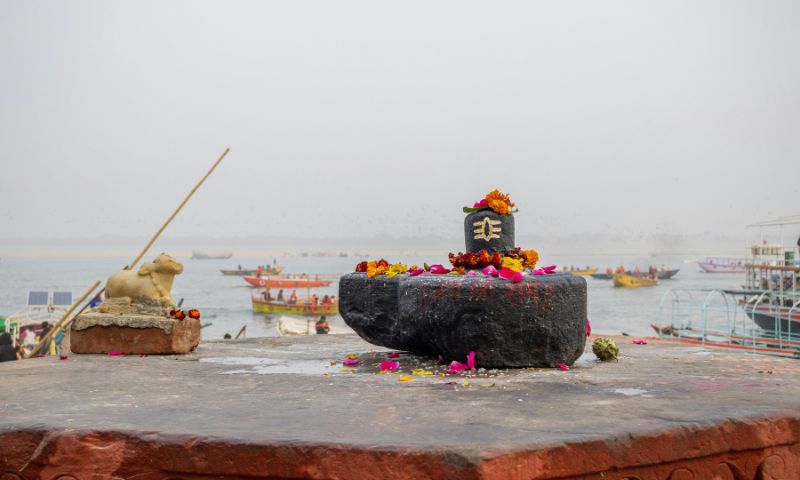
Lord Shiva is one of the most widely worshipped deities in Sanatan Dharma. Known as Mahadev, Bholenath, and the destroyer of evil, Shiva is also considered the most approachable of the Trinity. A simple offering of water and a Bel Patra, made with genuine devotion, is enough to please him.
But here is what many devotees overlook: not everything that seems appropriate for puja belongs on a Shivling. Hindu scriptures, particularly the Shiv Puran, lay out specific rules about what to offer and what to avoid during Shivling worship. Getting these right matters. Offering the wrong items is not just ineffective; it is believed to attract negative energy and displease Mahadev.
This guide breaks down the complete list of do’s and don’ts for Shivling puja, so you can worship with both devotion and awareness.
Why Do Offerings on Shivling Matter?
In Hindu worship, every offering carries symbolic weight. Water represents purity. Milk symbolizes nourishment. Bel Patra stands for the three eyes of Shiva. These are not random rituals; they are a language of devotion rooted in centuries of scriptural tradition.
The Shivling itself represents the cosmic energy of Lord Shiva. When you perform Abhishek (ritual bathing) on the Shivling, you are not simply pouring liquid over stone. You are engaging in a practice that is believed to cleanse the devotee’s karma, calm the mind, and invite divine grace.
This is why precision matters. Offering something forbidden or inappropriate on the Shivling can disrupt the spiritual intent of the puja.
What to Offer on Shivling: The Sacred Items Lord Shiva Accepts
These items are traditionally approved for Shivling puja and Abhishek, based on Hindu scriptures and temple practices:
Bel Patra (Bilva Leaves)
The three-leaved Bel Patra is the single most sacred offering for Lord Shiva. It represents his three eyes, the three gunas (sattva, rajas, tamas), and the three functions of creation, preservation, and destruction. Offer fresh, unbroken Bel Patra with the smooth side facing the Shivling.
Water and Gangajal
Clean water, especially Gangajal (Ganga water), is the most basic and powerful offering. A continuous stream of water (jaldhara) on the Shivling is considered highly auspicious. Even a simple lota of water offered with a sincere “Om Namah Shivaya” is enough to express devotion.
Milk, Curd, Honey, and Ghee
These four items, along with sugar, form the Panchamrit used in Abhishek. Each carries a specific spiritual significance. Milk represents purity, curd symbolizes prosperity, honey stands for sweet speech, ghee fuels inner fire, and sugar invites sweetness into life.
Dhatura (Fruit and Flowers)
Dhatura is uniquely sacred to Lord Shiva. According to mythology, it emerged during the Samudra Manthan (churning of the ocean) along with the poison that Shiva consumed. Offering dhatura is a gesture of acknowledging Shiva’s sacrifice for the world.
Other Accepted Offerings
- White flowers (champa, mogra, aak)
- Sandalwood paste (chandan)
- Vibhuti or bhasma (sacred ash)
- Akshat (unbroken rice grains)
- Raw coconut (not coconut water)
- Hemp leaves (bhang), especially during Mahashivratri
- White sesame seeds
| Offering | Symbolism | When to Offer |
| Bel Patra | Three eyes of Shiva, three gunas | Daily, Mondays, Sawan, Mahashivratri |
| Water / Gangajal | Purity, cleansing of sins | Daily (essential for every puja) |
| Milk | Nourishment, purity | Abhishek, Sawan Mondays |
| Dhatura | Shiva’s acceptance of poison | Mahashivratri, Sawan |
| Vibhuti (Ash) | Detachment, cosmic cycle | Daily after Abhishek |
| White Flowers | Devotion, surrender | All Shiva puja occasions |
What Not to Offer on Shivling: Items to Strictly Avoid
This is where many devotees make mistakes. Items that are perfectly acceptable for other deities are sometimes forbidden for Shivling puja. The Shiv Puran and traditional temple practices are clear about these restrictions.
Tulsi (Holy Basil) Leaves
This surprises many people. Tulsi is sacred in Hinduism, but it should never be placed on a Shivling. According to the Shiv Puran, Tulsi is dear to Lord Vishnu, not Lord Shiva. Placing it on the Shivling is considered inauspicious. You can place Tulsi near the Shivling or at the base of the Shiva idol, but not directly on the Lingam.
Turmeric (Haldi)
Turmeric is widely used in Hindu rituals, but it is traditionally associated with enhancing feminine beauty and is used in bridal ceremonies. Applying it on the Shivling, which represents masculine cosmic energy, is considered inappropriate.
Saffron (Kesar)
Saffron is another item to avoid. Lord Shiva is often depicted as a vairagi (ascetic recluse) who smears ash on his body. Saffron, associated with luxury and adornment, contradicts this aspect of his nature.
Sindoor (Vermillion)
Sindoor is offered in rituals for married women and is associated with Goddess Parvati, not the Shivling itself. It should not be placed directly on the Lingam.
Ketaki or Kewda Flowers
According to the Shiv Puran, the Ketaki flower was cursed by Lord Shiva and is never to be used in his worship. The story relates to a dispute between Brahma and Vishnu where the Ketaki flower bore false witness, and Shiva banished it from his puja for eternity.
Coconut Water
While raw coconut can be offered as a devotional gesture, coconut water should never be poured on the Shivling. Only raw, unbroken coconut is acceptable.
| Forbidden Item | Reason | Alternative |
| Tulsi leaves | Sacred to Vishnu, not Shiva | Bel Patra |
| Turmeric (Haldi) | Associated with feminine beauty | Sandalwood paste (Chandan) |
| Saffron (Kesar) | Contradicts Shiva’s ascetic nature | Vibhuti (sacred ash) |
| Sindoor | Meant for married women’s rituals | Bhasma or Chandan |
| Ketaki/Kewda flowers | Cursed by Shiva in Shiv Puran | White champa or aak flowers |
| Coconut water | Not permitted on Shivling | Plain water or Gangajal |
Shivling Puja Rules: Key Do’s and Don’ts Beyond Offerings
Beyond what you place on the Shivling, how you conduct the puja also matters. Here are practical rules that apply every time:
Do’s
- Always bathe before performing Shivling puja. Physical cleanliness is a prerequisite for worship.
- Face north or east while worshipping the Shivling.
- Use copper or brass vessels for Abhishek. Avoid steel.
- Maintain a jaldhara (continuous water drip) on the Shivling if you keep one at home.
- Chant ‘Om Namah Shivaya’ or the Mahamrityunjaya Mantra during the puja.
- Light a ghee diya and offer dhoop (incense) after the Abhishek.
Don’ts
- Never perform a complete parikrama (circumambulation) of the Shivling. Do a half parikrama and return the same way.
- Avoid using steel vessels for any part of the Abhishek.
- Do not consume the prasad that has been directly offered on the Shivling. This is a specific rule for Shiva worship.
- Do not offer broken, wilted, or stale flowers or Bel Patra.
- Avoid worshipping the Shivling without water. Even a few drops are essential.
Best Times to Worship Shivling
Lord Shiva is worshipped year-round, but certain days and months hold special spiritual potency:
- Mondays (Somwar): Every Monday is considered Shiva’s day. Fasting and performing Abhishek on Mondays is a widely followed tradition.
- Sawan (Shravan) month: This is the most sacred month for Shiva devotees. Sawan Mondays (Sawan Somwar) are particularly powerful for worship, fasting, and offering prayers.
- Mahashivratri: The annual festival celebrated on the 14th day of the dark fortnight of Phalguna. This is the single most auspicious night for Shivling worship, where devotees fast and perform night-long Abhishek.
- Pradosh Vrat: Observed on the 13th day of both fortnights of each lunar month. Evening worship during Pradosh is considered highly rewarding.
For devotees who want to take their Shiva devotion beyond home worship, visiting one of the 12 Jyotirlingas is a transformative experience. Kedarnath, one of the most revered Jyotirlingas, is accessible through the Kedarnath Badrinath Do Dham Yatra package that Traveloi offers with temple-timed itineraries and on-ground coordination.
Keeping a Shivling at Home: Key Guidelines
Many households keep a Shivling for daily worship. If you plan to do so, keep these points in mind:
- Place the Shivling in the east or northeast corner of your puja room, as per Vastu guidelines.
- Always pair it with a jaldhara arrangement. A Shivling without jaldhara can attract negative energies.
- Keep the area around the Shivling clean and clutter-free.
- Choose a small Narmadeshwar or Parad Shivling for home use. Large Shivlings are meant for temples and require elaborate daily rituals.
- Worship it twice daily: once in the morning and once in the evening. If this is not possible, it is better to visit a temple regularly instead.
If regular temple visits are part of your spiritual practice, the Char Dham pilgrimage covering Yamunotri, Gangotri, Kedarnath, and Badrinath offers one of the most powerful Shiva darshan circuits in India. Read the full Char Dham Yatra guide to understand how the route is structured and when to plan your visit.
Shiva Temples Worth Visiting for Deeper Devotion
Once you have established a disciplined home worship routine, visiting sacred Shiva temples adds depth to your spiritual practice. India is home to some of the most ancient and powerful Shiva shrines in the world:
- Kedarnath Temple (Uttarakhand): One of the 12 Jyotirlingas, located at 3,583 metres in the Garhwal Himalayas. The naturally formed rock Shivling here is a Swayambhu Lingam.
- Kashi Vishwanath Temple (Varanasi): One of the oldest and most revered Shiva temples, believed to be the eternal abode of Lord Shiva.
- Mahakaleshwar Temple (Ujjain): Famous for the Bhasma Aarti performed before dawn, where sacred ash is offered to the Jyotirlinga.
- Amarnath Cave Temple (Jammu and Kashmir): Houses a naturally formed ice Shivling that grows and recedes with the lunar cycle.
Uttarakhand alone has several major Shiva pilgrimage sites, including Kedarnath, Tungnath, and the Panch Kedar circuit. Traveloi’s Uttarakhand tour packages can help you plan a visit that combines pilgrimage with the scenic beauty of Devbhoomi.
Take Your Shiva Devotion on the Road
If you are still exploring what a Shiva pilgrimage involves, start by reading about the temple histories, routes, and spiritual significance of the major Dham sites. Knowledge deepens devotion, and the right preparation makes the journey more meaningful.
For those comparing pilgrimage options, the Chardham Yatra packages offered by Traveloi cover the full Uttarakhand Dham circuit with verified stays, transport, and scheduling built around temple darshan timings.
Ready to visit Kedarnath or complete the full Char Dham circuit? Traveloi handles everything from Delhi or Dehradun pickup to temple-timed itineraries, accommodation, and 24/7 travel support. Get in touch to lock in your dates.
FAQs
Can we offer Tulsi on Shivling?
No. Tulsi (holy basil) should not be placed directly on the Shivling. It is sacred to Lord Vishnu. You can place Tulsi near the Shivling or at the base of the Shiva idol, but never on the Lingam itself.
What is the best offering for Shivling puja?
Bel Patra (Bilva leaves) is considered the most sacred offering for Lord Shiva. Along with clean water or Gangajal, Bel Patra is the single most important item for daily Shivling worship.
Why should we not offer turmeric on Shivling?
Turmeric is traditionally associated with enhancing feminine beauty and bridal rituals. The Shivling represents Lord Shiva’s masculine cosmic energy, so turmeric is considered inappropriate. Use sandalwood paste (chandan) instead.
Is it okay to offer coconut water on Shivling?
No. Coconut water should not be poured on the Shivling. You can offer a raw, unbroken coconut as a devotional gesture, but only plain water, milk, Gangajal, or other approved liquids should be used for Abhishek.
What mantra should I chant during Shivling Abhishek?
The most commonly chanted mantra is ‘Om Namah Shivaya’ (the Panchakshari mantra). The Mahamrityunjaya Mantra and Rudrashtakam are also highly recommended during Abhishek.
Can I keep a Shivling at home?
Yes, but it requires daily worship, a jaldhara arrangement, and placement in the east or northeast corner of your puja room. If daily puja is not possible, a Shiva Yantra or visiting a temple regularly is a better alternative.