
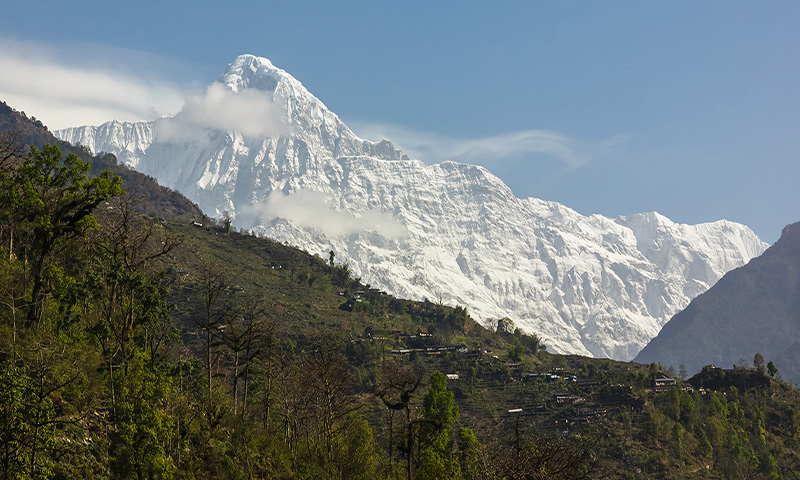
Most Himalayan pilgrimages repeat every year. The Nanda Devi Raj Jat Yatra does not. It arrives roughly once every twelve years, so a devotee may get only three or four chances at it in a lifetime. Often called the Himalayan Mahakumbh, this high altitude procession through the Garhwal Himalayas of Uttarakhand asks more of a pilgrim than almost any other religious journey in India. Long walking days, thin air, cold nights, and strict ritual discipline all come with it. This guide explains what the yatra is, where it goes, why it matters, and how to prepare for it without guesswork.
What Is the Nanda Devi Raj Jat Yatra?
The Nanda Devi Raj Jat Yatra is a sacred Himalayan pilgrimage in Uttarakhand that honours Goddess Nanda Devi, worshipped across Garhwal and Kumaon as a daughter of the land and an incarnation of Parvati. In local belief, Nanda Devi is a married daughter being escorted from her maternal home in the hills to her husband Lord Shiva’s abode at Kailash. Villages along the way receive her palanquin, called the doli, exactly as they would a beloved daughter leaving home, with songs, offerings, tears, and blessings.
The scale sets it apart. The full route covers around 280 kilometres on foot, takes close to three weeks, and climbs from river valleys near Karnaprayag to glacial terrain above 4,000 metres, with thousands of devotees, village deities, and folk musicians walking together.
Lok Jat vs Raj Jat: Know the Difference
- Lok Jat: the annual, shorter pilgrimage in which the goddess’s doli travels up to Vedni Kund and returns. Its dates are decided each year on Basant Panchami.
- Raj Jat: the grand edition held roughly once in twelve years, also called the Badi Jat, which continues far beyond Vedni Kund to Homkund for the final farewell.
If you are researching the generational event, the Raj Jat is the one people mean.
The Story and Significance Behind the Yatra
Local tradition traces the pilgrimage back many centuries and links its origins to the old rulers of Garhwal, particularly the Kunwars of Kansuwa village, who still hold a ceremonial role. The word Raj points to this royal patronage. Beyond ritual, the yatra stitches Garhwal and Kumaon into one cultural fabric. Dolis from many villages travel as one procession, folk singers perform jagars through the night, and families reunite at every halt. For the hill communities, this is neither tourism nor trekking. It is the emotional high point of a generation.
The Nanda Devi Raj Jat Route: Nauti to Homkund
Where the Journey Begins
The traditional seat of the Raj Jat is Nauti village near Karnaprayag in Chamoli district. The opening rituals happen here, after which the procession winds through village after village, gathering dolis and devotees as it climbs.
The Four Horned Ram
The most distinctive sight on the trail is the chausingya khadu, a ram born locally with four horns ahead of the event and regarded as a divine sign that the yatra may proceed. The ram leads the procession carrying the goddess’s offerings, and at Homkund it is released toward Kailash, symbolically accompanying Nanda Devi home.
The High Altitude Stretch
The early days pass through motorable and semi motorable villages, so elderly devotees and families can join sections with relative ease. The character of the route changes after Wan, the last major village. From there the trail crosses the meadows of Vedni Bugyal, climbs past Roopkund, the famous skeletal lake, crosses the Jyunragali ridge, and descends through the glacial rock field of Shila Samudra before reaching Homkund. These stages involve genuine high altitude trekking. Weather turns fast, nights hover near freezing, and there is no road access, little or no mobile network, and limited evacuation support.
When Does the Nanda Devi Raj Jat Take Place?
The Raj Jat follows a roughly twelve year cycle, with exact dates fixed by the yatra committee and priests according to the Hindu Panchang, usually around Nanda Ashtami in late August or September. The previous full Raj Jat was held in 2014. Because dates shift with ritual calendars, Himalayan weather, and administrative readiness, always confirm the final schedule from official Uttarakhand government and yatra committee announcements before committing to travel bookings.
How to Prepare: Fitness, Packing, and Registration
Build Fitness Early
This is a multi week walking pilgrimage with long ascents, so treat preparation like training for a serious Himalayan trek.
- Start at least three months ahead with daily brisk walking, stair climbing, and light strength work.
- Add one long walk each week, gradually building up to 15 to 18 kilometres.
- Practice walking with the loaded daypack you plan to carry.
- Get a medical check, especially for heart, blood pressure, and respiratory conditions, since high altitude is unforgiving of untreated issues.
First time in the mountains? Joining one of the guided Himalayan trekking tours in Uttarakhand a season earlier is a sensible rehearsal for the terrain and the altitude.
Pack for Mountain Weather, Not City Weather
- Layered woollens, a windproof and waterproof jacket, and well broken in trekking shoes.
- Sleeping bag, rain cover, torch, power bank, and water purification tablets.
- A personal medical kit with ORS, prescription medicines, and altitude sickness medication taken only on medical advice.
- Dry rations such as nuts and energy bars. Alcohol and non vegetarian food are strictly off limits on the route.
- Enough cash, since ATMs and digital payments disappear beyond the roadhead.
Registration and Logistics
Participation in the high altitude stages is regulated. The Chamoli district administration and the yatra committee manage registration, health screening, camping zones, and crowd control on the upper route, so complete the formalities well in advance. The usual approach is by road from Rishikesh to Karnaprayag, and the nearest airport is Jolly Grant in Dehradun.
Etiquette on a Living Pilgrimage
The Raj Jat is a devotional event first and a trek second, so conduct matters as much as fitness.
- Follow the pace and instructions of the yatra committee and local hosts.
- Dress modestly and ask before photographing rituals or the doli.
- Carry your waste back. The bugyals and glacial zones are fragile alpine ecosystems.
- Respect village customs at each halt, since every stop has its own ritual role.
Planning Travel Around the Yatra
Many pilgrims pair the yatra season with wider travel through Garhwal, since the region rewards time. The approach runs along the classic pilgrimage arteries of the state through Rishikesh, Devprayag, and Karnaprayag, and well planned Uttarakhand tour packages make it easy to add Badrinath, Auli, or the Valley of Flowers side of Chamoli to the same trip.
Devotees who cannot commit to a multi week trek often choose Char Dham Yatra packages instead, which cover Yamunotri, Gangotri, Kedarnath, and Badrinath with road access and managed stays. Trekkers drawn to remote, high effort pilgrimages also shortlist the Adi Kailash and Om Parvat Yatra, which shares the Raj Jat’s blend of hard walking and deep devotion.
Traveloi, a Dehradun based tour operator, plans these Garhwal and Kumaon journeys end to end, from acclimatisation friendly itineraries and stays to transport and local guides, which removes most of the logistical anxiety from a once in twelve years pilgrimage window.
Frequently Asked Questions
What is the Nanda Devi Raj Jat Yatra?
It is a grand pilgrimage held in Uttarakhand roughly once every twelve years in honour of Goddess Nanda Devi. The procession escorts the goddess’s doli from the Garhwal villages toward Homkund, symbolising her journey to Kailash.
How long is the Nanda Devi Raj Jat Yatra?
The full route runs around 280 kilometres on foot over close to three weeks, with more than twenty halts. Many pilgrims join only the lower village stages, while the final high altitude stages demand real trekking fitness.
Where does the Raj Jat start and end?
The pilgrimage is traditionally anchored at Nauti village near Karnaprayag in Chamoli district. The route passes Wan, Vedni Bugyal, Roopkund, and Shila Samudra before concluding at Homkund.
What is the four horned ram in the Raj Jat?
A chausingya khadu, a ram born with four horns, leads the procession as a divine sign. At Homkund it is set free toward Kailash carrying the goddess’s offerings, a moment devotees treat as the spiritual climax of the yatra.
When is the next Nanda Devi Raj Jat Yatra?
The event follows a roughly twelve year cycle, with dates fixed by the yatra committee according to the Panchang, usually around Nanda Ashtami in late August or September. Confirm the final schedule from official Uttarakhand government announcements before booking anything.
Is the Nanda Devi Raj Jat difficult for ordinary pilgrims?
The lower village stages suit most reasonably fit devotees. The stretch beyond Wan crosses high altitudes with cold, rain, and no road access, so it is meant only for prepared trekkers with medical clearance.
Can visitors from outside Uttarakhand join the yatra?
Yes. Devotees and respectful visitors from across India and abroad join, especially on the lower stages. High altitude participation is regulated, and everyone is expected to follow the ritual etiquette set by the yatra committee.