
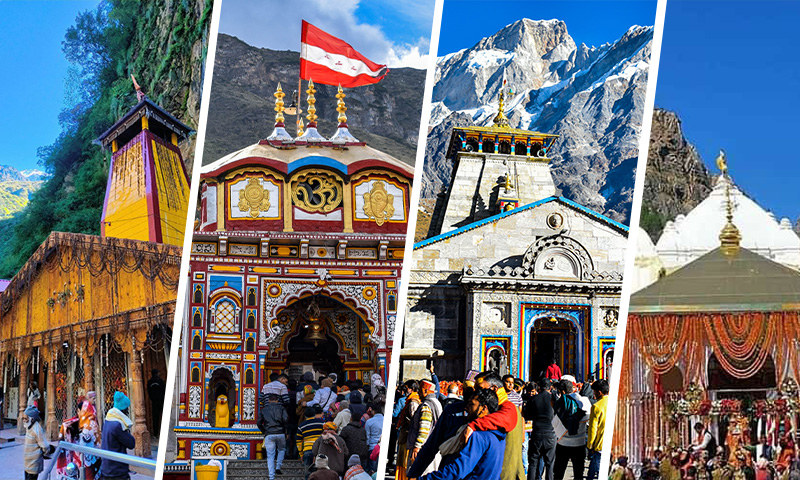
The four Himalayan dhams run on a rhythm older than any travel itinerary. Temple doors open before sunrise. They close for a midday break. They shut for the night after a final lamp ceremony. Pilgrims who understand this rhythm see the shrines at their most alive. Those who do not often reach a locked gate after a long drive or a steep trek.
This guide explains the aarti timings at Kedarnath, Badrinath, Gangotri and Yamunotri, why the schedules differ at each shrine, and how to build your travel days around them. A note before we begin: all timings here are indicative. The temple committees adjust them each season based on the Panchang, weather and crowds, so confirm the current schedule before you travel.
Why Aarti Timings Shape Your Entire Char Dham Itinerary
An aarti is the ritual offering of lamps to the deity, performed with chants, bells and incense. At the Char Dham temples, aartis are not side events. They anchor the whole day around three fixed points:
- Morning rituals, which begin before or around sunrise and include abhishek or special pujas
- A midday closure, when the sanctum rests and general darshan pauses
- The evening aarti cycle, which ends with the Shayan aarti, after which the doors close for the night
Road distances between the dhams are long, and two of the shrines involve treks. Your arrival time at each dham decides what you actually witness. Reach Badrinath by late afternoon and you can attend the evening aarti the same day. Arrive after dark and that window is gone.
Kedarnath Aarti Timings
Kedarnath sits at roughly 3,580 metres and is reached by a trek of about 16 km from Gaurikund, or through helicopter tours that cut the climb entirely. The Shri Badarinath Kedarnath Temple Committee, commonly called BKTC, manages the daily rituals here.
Morning rituals at Kedarnath
The temple generally opens around 4:00 AM with the Maha Abhishek, the ceremonial bathing of the Shiva lingam performed by the head priest. Devotees who book this puja can attend from close quarters. General darshan usually begins once the morning rituals conclude and continues until mid afternoon, when the sanctum closes for a short break.
Sandhya aarti and Shayan aarti
Evening darshan resumes after the break. The Sandhya aarti, the main evening lamp ceremony, typically starts around 6:00 PM. It is the most attended ritual of the day, with lamps, drums and chants set against the Himalayan dusk. The Shayan aarti follows later in the evening, usually around 7:30 PM, as the deity is prepared for rest. The temple then closes for the night.
The evening aarti at Kedarnath is only realistic if you stay overnight near the temple. Same day trekkers must settle for morning or midday darshan.
Badrinath Temple Aarti Timings
Badrinath is the easiest dham for attending every ritual, simply because the temple is motorable and the town has ample accommodation.
The temple usually opens around 4:30 AM with the Maha Abhishek and Abhishek pujas. These early rituals are ticketed and often booked well in advance through BKTC, so reserve early if attending one matters to you. General darshan continues through the morning until about 1:00 PM, when the temple closes for the afternoon.
Doors reopen around 4:00 PM. The evening sequence includes the Sandhya aarti, followed by devotional recitals such as the Geet Govind, and concludes with the Shayan aarti. The temple typically closes around 9:00 PM.
Many pilgrims also take a dip in the Tapt Kund hot spring near the temple before darshan, so keep some buffer time in your plan for it.
Gangotri Aarti Timings
Gangotri honours Goddess Ganga at the spot where the river, called Bhagirathi here, begins its journey to the plains. Priests from the Semwal family have performed the rituals here for generations.
The temple generally opens around 6:00 AM, with the morning aarti performed near opening time. Darshan continues until early afternoon, pauses for a short break, and resumes until evening.
The highlight is the evening Ganga aarti on the riverbank beside the temple, usually held between 7:00 PM and 7:45 PM depending on the month and sunset. Lamps are offered to the flowing Bhagirathi, and the ceremony is open to everyone. Gangotri is motorable, so attending the evening aarti only requires an overnight stay in town, which most Char Dham itineraries already include.
Yamunotri Aarti Timings
Yamunotri is the seat of Goddess Yamuna and the traditional first stop of the yatra. The temple sits at the end of a trek of about 5 to 6 km from Janki Chatti.
Darshan typically runs from around 6:00 AM to noon, then resumes after a midday break from about 2:00 PM until early evening. Morning and evening aartis are performed daily within this window.
The trek changes the maths here. Most pilgrims climb in the morning, attend darshan and the rituals at Surya Kund, where rice is cooked in the hot spring as prasad, and descend by late afternoon. Staying for the evening aarti means descending close to dark, which is not advisable. If the morning aarti at Yamunotri matters to you, stay near Janki Chatti the previous night and start the trek early.
How to Plan Each Day Around the Aarti Schedule
Follow this sequence and the timings work for you rather than against you.
- Fix the traditional route first: Yamunotri, then Gangotri, then Kedarnath, then Badrinath. The circuit flows west to east and matches how road distances stack up.
- Reach every night halt by late afternoon. Mountain roads close early, and evening aartis reward early arrivals.
- Reserve your evening aarti ambitions for Kedarnath and Badrinath. You sleep near both temples, so the late ceremonies are practical there.
- Keep Yamunotri and Gangotri for morning and midday darshan. The trek at Yamunotri and onward drives from Gangotri make evenings tight.
- Book special pujas in advance through the official BKTC channels for Kedarnath and Badrinath. Morning abhishek slots fill quickly in peak season.
- Recheck timings on arrival. Every temple displays the current day schedule on notice boards, and local priests will confirm any festival changes.
Each step exists for one reason. The dhams do not adjust to your itinerary. Your itinerary has to adjust to them.
Seasonal Changes You Should Expect
The Char Dham temples open each year on dates fixed by the Panchang and close before winter. For 2026, Yamunotri and Gangotri opened on 19 April, Kedarnath on 22 April, and Badrinath on 24 April, with closures expected in November. Within the season, evening ceremonies shift earlier as sunset moves through autumn. Crowds also reshape the day; during Shravan, the morning darshan queue at Kedarnath builds well before dawn. After closing, worship continues at the winter seats, including Ukhimath for Kedarnath and Mukhba for Gangotri.
How Traveloi Plans Your Yatra Around Temple Hours
Timing is where experienced operators earn their keep. Traveloi, a Dehradun based tour operator, builds its Char Dham Yatra packages around the ritual calendar rather than just road distances. Itineraries include night halts at Kedarnath and Badrinath so the evening aartis are actually attendable, not just listed. Travellers starting from the state capital can pick a Char Dham tour package from Dehradun with pacing matched to temple hours. Elderly pilgrims get slower acclimatisation and shorter driving days through a dedicated Char Dham Yatra package for senior citizens, while helicopter departures compress travel time so more of each day goes to darshan. The team also handles puja bookings and keeps guests updated when committees revise timings mid season.
FAQs on Char Dham Aarti Timings
What time is the evening aarti at Kedarnath temple?
The Sandhya aarti at Kedarnath usually begins around 6:00 PM, followed by the Shayan aarti around 7:30 PM, after which the temple closes. Timings can shift slightly, so check the notice board on arrival.
Can I attend the morning Maha Abhishek at Badrinath?
Yes. The Maha Abhishek is performed around 4:30 AM and is open to devotees who book the puja through BKTC. Slots are limited and sell out early in peak months, so reserve in advance.
What are the Gangotri temple aarti timings?
The morning aarti takes place around the 6:00 AM opening, and the evening Ganga aarti on the Bhagirathi riverbank is usually held between 7:00 PM and 7:45 PM, varying with sunset.
Is there an afternoon break at the Char Dham temples?
Yes. All four shrines pause general darshan for a few hours after midday so the sanctum rituals can be performed. Plan your arrival for morning or late afternoon rather than early afternoon.
How do I book a special puja or aarti at Kedarnath or Badrinath?
Pujas at both temples are booked through the official BKTC system, online or at temple counters. Carry the confirmation and a valid ID, and arrive early for the ritual.
Which dham has the easiest evening aarti to attend?
Badrinath. The temple is motorable, the town has plenty of hotels, and darshan timings at Badrinath run late into the evening. Gangotri comes a close second.
Do aarti timings change during the Char Dham season?
They do. The committees adjust schedules for festivals, weather and crowd flow, and evening ceremonies move earlier as days shorten. Treat published timings as a planning baseline and reconfirm locally.