
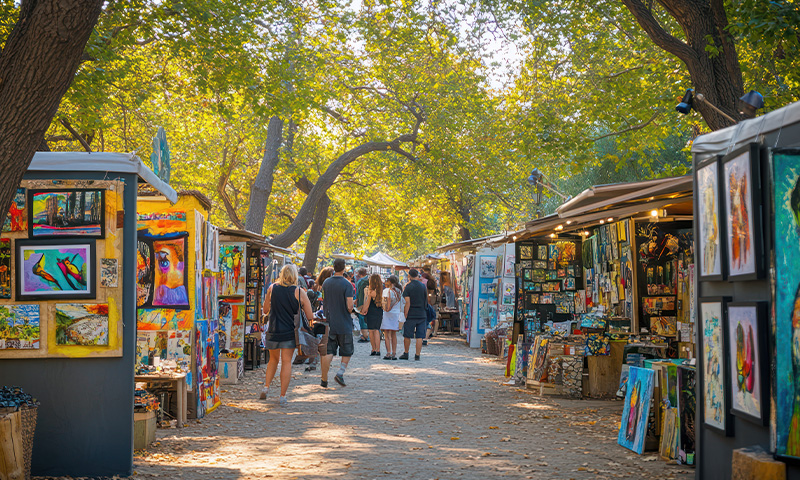
Most hill towns in Uttarakhand grew around British era malls and churches. Almora did not. This Kumaoni town sits on a horseshoe shaped ridge and was built by the Chand kings long before colonial planners arrived. Its old market has stayed where it always was, a stone paved spine running along the ridge, lined with carved wooden facades, copper workshops and sweet shops that still cook khoya the slow way. An Almora bazaar walk is the easiest way to read this history on foot. This guide maps the route, explains what the copperware and Bal Mithai are worth, and answers the practical questions travellers ask.
Why This Walk Belongs on Your Kumaon Itinerary
Almora is often treated as a lunch stop between Nainital and Binsar. That is a mistake. The old market here is one of the few living heritage bazaars in the Indian Himalaya where you can watch a craft, taste a regional sweet at its source and walk past centuries old homes in a single hour.
Here is what makes the walk worth planning around:
- It is compact. The main stretch covers roughly two kilometres, walkable in one to two unhurried hours.
- It is authentic. Shops serve locals first and tourists second, so prices and products stay honest.
- It is layered. Food, craft, temple lanes and Kumaoni architecture sit within a few steps of each other.
- It is pedestrian friendly, with large sections closed to vehicles, rare for an Indian hill town.
A Short History of the Heritage Lanes
Almora was established in the sixteenth century by the Chand dynasty, which ruled the Kumaon region for generations. The rulers laid out the market along the ridge top, paved it with flat stone slabs known locally as patal, and settled artisan communities in dedicated quarters. That medieval town planning survives today.
The result is a market that reads like a map of old trades. Coppersmiths, traditionally from the Tamta community, were given their own quarter. Many buildings above the shopfronts still carry intricately carved wooden balconies and windows in the traditional Kumaoni style called likhai. Look up as you walk. The first floors are often older and more interesting than the shop displays at eye level.
The Walking Route: One Ridge, Several Bazaars
The old market of Almora is a single long stretch with different named sections. Start at one end after breakfast and you will finish comfortably before lunch.
Lala Bazaar
Lala Bazaar is the historic heart and the best starting point for a heritage walk in Almora. The stone paved lane is flanked by old trading houses, general stores, woollen shops and vegetable sellers. Morning is the liveliest time, when residents shop for the day and the light falls on the carved facades. Walk slowly here. This stretch rewards attention more than spending.
Karkhana Bazaar and the Copper Quarter
Karkhana Bazaar, together with the adjoining Tamta Mohalla, is where Almora copperware is made and sold. The name itself means workshop market. You can often hear the lane before you see it, because artisans still hand beat copper sheets into pots, water vessels and ritual items. Ask politely and most craftsmen will let you watch for a few minutes.
The Temple and Food Stretch
Near the central market stands the Nanda Devi temple complex, dedicated to the patron goddess of Kumaon, surrounded by sweet shops. Stop here for Bal Mithai and tea before looping back.
Almora Copperware: What to Buy and How to Judge It
Copper craft is the signature trade of this town, and a thoughtful purchase here supports a shrinking artisan community. Keep these points in mind:
- Hand hammered pieces show small, slightly irregular facets across the surface. Perfectly smooth, uniform items are usually factory made.
- Classic buys include water pots called gagri, drinking vessels, puja thalis, ritual lamps and planters.
- Weight matters. Heavier pieces generally use thicker copper sheet and last decades.
- Prices are modest by city standards, so avoid aggressive bargaining. A fair price keeps the craft alive.
- Ask for a tin lined interior, known as kalai, if you plan to store water or cook in the vessel.
Buying directly from a workshop also gives you the story behind the object, which no emporium can match.
Bal Mithai and the Kumaoni Sweet Trail
Bal Mithai is the famous sweet of Almora and arguably the best edible souvenir in Uttarakhand. It is made by slow roasting khoya with cane sugar until it turns deep chocolate brown, then cutting it into rectangles and coating them with tiny white sugar balls. Done well, it is dense, fudgy and lightly caramelised rather than cloying.
A short tasting list for your walk:
- Bal Mithai: Buy from an established shop in the main bazaar. Freshness shows in the soft bite.
- Singori: Khoya and coconut wrapped in a fragrant malu leaf, shaped like a small cone. Eat it the same day.
- Chocolate Barfi: A local roasted khoya slab, closer to Bal Mithai without the sugar coating.
Watch the counter before you buy. Shops that sell briskly to locals move stock fast, the simplest freshness test anywhere. Most shops pack Bal Mithai for travel, and it holds up for a few days.
Practical Tips for the Walk
A little planning turns a quick market visit into a proper heritage experience.
- Best time to visit Almora bazaar: October to June is pleasant. Mornings between 9 and 11 are ideal for photography and workshop visits. Avoid Sunday if you want every shop open, since some traders close for the week.
- How to reach: Kathgodam is the nearest railhead, roughly a three hour drive away, and Pantnagar is the nearest airport. Almora connects easily by road with Nainital, Ranikhet, Kausani and Binsar.
- What to wear: Comfortable shoes for stone paving and light layers, since ridge top weather shifts quickly.
- Etiquette: Ask before photographing artisans. Carry a cloth bag, keep wrappers with you and respect temple customs along the route.
- Combine it well: Pair the walk with Bright End Corner for sunset views, the Chitai Golu Devta temple nearby, or a quiet day trip to the Jageshwar temple complex.
Travellers who enjoy slow, local experiences often extend the trip. The community based tourism villages in Kumaon pair naturally with an Almora visit, since the same principle applies: spend where the money stays local.
Planning the Trip with Traveloi
A bazaar walk works best when the rest of the journey is handled. Traveloi, a Dehradun based tour operator approved by Uttarakhand Tourism, builds custom Kumaon circuits that pair Almora with Nainital, Binsar, Kausani and the quieter ridge villages, with vetted hotels, experienced hill drivers and on trip support. The team’s Uttarakhand tour packages can be tailored for families, senior travellers and couples, and the itineraries leave room for unscripted hours in places exactly like Lala Bazaar.
Shopping in a living market also comes with responsibility. If you want a simple framework for travelling thoughtfully in the hills, this guide to responsible tourism in Uttarakhand covers the essentials, from waste to water to fair pricing. If the Kumaon landscape gets under your skin, our Munsiyari travel guide covers the logical next step deeper into the region.
Ready to Walk the Heritage Lanes?
- Just researching? Save this guide and read up on Kumaoni crafts and cuisine before you go.
- Planning a trip? Share your dates and interests with the Traveloi team for a free custom Kumaon itinerary that includes a guided walk through the old market.
- Ready to book? Call +91 7060106084 or write to info@traveloi.com to lock in your travel window, since good hill hotels fill early in season.
Frequently Asked Questions
Q1: What is the Almora bazaar walk and how long does it take?
A: It is a self guided or escorted walk through the old stone paved market of Almora, covering Lala Bazaar, Karkhana Bazaar and the temple stretch. Plan one to two hours at a relaxed pace, longer if you stop at workshops.
Q2: What is Bal Mithai and why is it famous in Almora?
A: Bal Mithai is a fudge like Kumaoni sweet made from roasted khoya and cane sugar, coated with tiny white sugar balls. Almora is considered its home, and local shops have made it for generations.
Q3: Where can I buy authentic copperware in Almora?
A: Head to Karkhana Bazaar and the adjoining Tamta Mohalla, the traditional copper quarter. Buying directly from working artisans ensures authenticity and supports the craft community.
Q4: What should I buy in Almora market apart from copper and sweets?
A: Look for hand knitted woollens, local spices, Kumaoni honey, hemp based products and small likhai style wood carvings. All are light, useful and genuinely regional.
Q5: What is the best time to visit the Almora bazaar?
A: October to June offers the most comfortable weather. Within the day, mid morning is best, when shops are open, artisans are at work and the lanes are not yet crowded.
Q6: How do I reach Almora from Delhi?
A: Take an overnight train or drive to Kathgodam, then continue by road for about three hours into the hills. Pantnagar airport is the nearest air link.
Q7: Is the Almora heritage walk suitable for seniors and children?
A: Yes, with minor care. The main market is largely vehicle free and gently graded, though the stone paving can be uneven in places. Comfortable footwear and an unhurried pace make it manageable for most ages.