
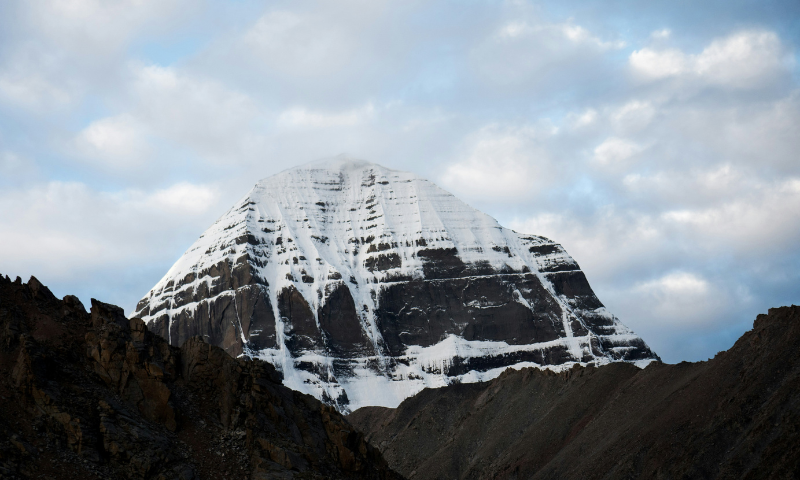
Age shouldn’t be a factor in your spiritual aspirations. But at 15,000 feet altitude and difficult terrain, the Kailash Mansarovar journey requires realistic preparation rather than pure determination.
Each year, many senior pilgrims accomplish this religious journey. The important aspects are not old age but good physical training, extensive medical examination, and intelligent route selection. Properly trained elderly pilgrims will tend to perform better than the younger tourists who do not take the difficulty seriously.
The fact is very simple. A few senior pilgrims who have proper training, undergo medical screening, and make good choices about routes complete this sacred journey with fewer complications than younger people who are not prepared for it. The trick is knowing what your body needs and allowing it some time to get prepared.
Medical Fitness: The Non-Negotiable Foundation
Mandatory Health Screening (4-6 Months Before Departure)
The Chinese authorities demand certain medical clearances, but your personal health assessment should go much deeper. Cardiovascular fitness is the single strongest predictor for successful completion at high altitudes.
Required medical evaluations are:
- Comprehensive cardiac stress test with ECG
- Pulmonary Function Test
- Baseline for blood oxygen saturation measurement
- Blood pressure measurement over 2-4 weeks
- Kidney & liver function panels
- Bone density screening of knee and hip joints
Conditions That Require Extra Caution
Controlled hypertension is not automatically disqualifying. Senior citizens with well-managed blood pressureon stable medication can make the journey under proper monitoring.
Absolute contraindications are:
- Recent cardiac events (past 12 months)
- Poorly controlled diabetes with HbA1c above 7.5%
- Severe respiratory conditions (advanced COPD)
- Recent surgeries that involved major organs
- Extreme osteoporosis with fracture history
Type 2 diabetes under good control (HbA1c below 7%) is a manageable risk with proper medication management as well as monitoring equipment for glucose control. See an altitude medicine specialist and not just your general physician.
Physical Preparation: Start Early, Progress Gradually
The 16-Week Training Protocol
Senior pilgrims who start their preparation 4 months in advance show significantly better altitude adaptation as compared with pilgrims who take 6-8 weeks for preparation. If you have completed the Char Dham yatra, you have some baseline for high-altitude pilgrimage preparation.
Weeks 1-6: Building Base Fitness
- Daily 30-minute walks on flat landscape
- But gradually build up to 45-60 minutes
- Do not focus on intensity; focus on consistency
- Add flexibility exercises (yoga or stretching) 3 times weekly
Weeks 7-12: Increasing Intensity
- Increase incline walking (hills or treadmill at 5-8% gradient)
- Extend duration to 60-90 minutes
- Add breathing exercises specifically for altitude preparations
- Practice walking with a light daypack (3-5kg)
Weeks 13-16: Altitude Simulation
- If possible, spend weekends at an altitude of 6,000-8,000 feet
- Increase pack weight to realistic levels (7 – 10kg) for trips
- Focus on keeping a steady pace for 2-3 hours
- Practice mindful breathing techniques when walking
Critical Senior Preparation Metrics
| Fitness Component | Target Capability | Why It Matters |
| Walking endurance | 3-4 hours with breaks | Daily travel segments range 4 to 6 hours |
| Incline tolerance | 30-minute steady climb | Multiple passes exceed 16,000 feet |
| Pack carrying | 8-10 kg for 2+ hours | Personal essentials during travel |
| Recovery time | Return to normal within 24 hours | Consecutive days of activity |
Choosing the Right Route: Match Challenge to Capability
Overland Route by Kathmandu (16-17 Days)
The overland route by Kathmandu provides superior acclimatization because of the gradual gain in altitude. You enter Tibet via the Kodari border and spend your nights in increasing elevations: Nyalam (12,300ft), Saga (14,800ft), and then Manasarovar (15,060ft).
The longer time span gives your body a time duration to produce more red blood cells naturally. For seniors, this physiological adaptation is very important. Rapid altitude gain increases the risk of acute mountain sickness.
Physically, this route consists of long travel by vehicles but less walking on difficult terrain before reaching Kailash. The parikrama (circumambulation) is challenging no matter which route is taken.
Helicopter Assisted Routes (9-11 Days)
The Kathmandu to Simikot option by helicopter shortens traveling time on the ground, but speeds up the rate of altitude exposure. You fly directly from 4,500 feet to 9,300 feet, then go to more heights within 48 hours.
Senior pilgrims taking the helicopter routes have been shown to have 25% more altitude-related problems in the first 72 hours. However, the overall trip time is shorter, which might be suitable for people with certain time constraints or who cannot bear extended traveling.
The Parikrama Decision
The 52-kilometer circuit around the Kailash passes the Dolma La pass, which is at 18,600 feet. For seniors, it is possible, but extremely demanding, to complete this traditional single-day travelling in 12-16 hours.
The two-day parikrama option, which includes an overnight stay at Diraphuk Monastery, allows significantly less exertion per day. Senior pilgrims show mostly higher success rates with the two – day itinerary. Many Kailash Mansarovar tour package providers now include this option, especially for older pilgrims.
Managing Altitude: Your Primary Challenge
Altitude Acclimatization Timeline
Your body requires time to adapt to low availability of oxygen. An increase in hemoglobin concentration occurs in 7-10 days at altitude. Rushing this process is where most seniors face serious problems.
Days 1-3: Mild headaches, fatigue, and sleep problems are normal. Maintain hydration (4-5 liters daily), do not overexert.
Days 4-7: The adaptation is accelerated. Energy levels improve. This is the time when your body is developing the capacity for higher exertion.
Days 8 onwards: Most seniors feel much better, though exertion capacity is still remains 60-70% of sea level.
Medication Considerations
Acetazolamide (Diamox) aids acclimatization by increasing the respiratory rate. Standard dosing is 125mg twice a day, from the day before altitude exposure. Seniors should consult their physician regarding possible interactions with current medications.
Senior pilgrims using Diamox prophylactically show a substantial reduction in symptoms of moderate-to-severe altitude sickness. Side effects are increased urination and tingling in extremities – unpleasant but not dangerous.
Essential Support Systems for Senior Pilgrims
Medical Support Access
The infrastructure improvements now include telemedicine facilities at major stops. Oxygen concentrators have become a standard in tour vehicles. However, serious medical evacuation from remote areas may take 24-48 hours.
Travel with tour groups that provide:
- Highly trained guides who are skilled in high altitude first aid
- Constant monitoring equipment (pulse oximeters)
- Backup oxygen cylinders (at least 2 for each vehicle)
- Emergency contact satellite communication
- Existing evacuation protocols
Physical Assistance Options
Porters, horses and even sedan chair services can be hired for the parikrama. Making use of them is not failure-it is smart planning. The spiritual merit does not come from the physical pain of walking the circuit, but from the sanctity of completing the circuit.
Traveloi senior focused tour on Kailash Mansarovar holiday package includes senior dedicated support staff, medical monitoring and flexibility in pacing which allows rest days if needed. This is not luxury – it is appropriate risk management for older pilgrims.
Practical Preparation Checklist
Clothing and Gear
- Layering system (temperatures vary from 25 °C to -10 °C)
- Good hiking boots, broken in more than 40+ kilometers before departure
- Trekking poles (take a lot of stress off the knees on the descent)
- Wide-brimmed hat and UV protection sunglasses (radiation intensifies with altitude)
Medical Kit
- All regular medications plus 50% extra supply
- Altitude sickness medication (prescribed)
- Basic first-aid supplies
- Anti-diarrheal medication
- Lip balm and moisturizer (extreme dryness at altitude)
Documentation
- Passport valid 6+ months
- Chinese visa & Tibet Travel Permit
- Several copies of medical clearance certificates
- Travel insurance to cover an altitude of 20,000 feet
Frequently Asked Questions
Am I too old for Kailash Mansarovar at 65/70/75?
Age is just a number; it is not the determining factor. Pilgrims in their late 70s and early 80s completed this tour when properly prepared. What is more important now is your current fitness level, medical condition management, and preparation commitment. Cardiovascular fitness, rather than birth year, predicts success. If you can walk 5-6 kilometers without any difficulty per day at sea level and you have passed medical screening, then you should not be disqualified based on your age. However, be realistic about your physical limitations, and be honest with your medical team.
How dangerous is altitude sickness for seniors specifically?
Seniors are not necessarily more susceptible to altitude sickness than younger adults, but the complications of it can be more severe if experienced. Age alone does not raise the rate of acute mountain sickness. However, in seniors, there are often pre-existing conditions that altitude can make worse – hypertension, decreased cardiac reserve or respiratory limitations. The main difference is that seniors generally have less physiological reserve to compensate when problems occur. This makes prevention with the use of proper acclimatization absolutely critical. Gradual ascent, proper hydration and prophylactic medication reduce risk significantly. Tour operators with medical monitoring capabilities are essential, not optional, for senior pilgrims.
Can I do the parikrama if I have knee problems?
Knee problems are manageable but require honest evaluation and accommodation. The descent from Dolma La pass is the hardest section for knees – it is steep, rocky and sustained. Trekking poles have reduced significantly on descent. The two-day parikramaallows proper rest without rushing. Horse services are available for some parts of the route, including the steep climb to Dolma La. Many older pilgrims use a combination of walking (where the topography permits) and riding the harder parts. Complete the circuit in whatever way your body allows. The spiritual significance is not exploited by physical limitations being accommodated pragmatically.
What happens if I need to return mid-journey due to health issues?
We maintain evacuation protocols; however, logistics can be complex. From remote places such as Manasarovar or Darchen, evacuation may require helicopter assistance, which could vary depending on location, permissions, and weather conditions. Ground evacuation to medical facilities is 48-72 hours. This is precisely why it is not optional but mandatory to have comprehensive travel insurance, which has altitude coverage. Policies should specifically include medical evacuation from Tibet from up to 20,000 feet. Most standard travel insurance will not cover high-altitude adventure activities. The insurance market now offers specialized Himalayan pilgrimage policies for seniors.
Should I travel with a group or organize privately?
Group travel with special operators is highly recommended for seniors. Logistics in Tibet are complicated – permits, transport, and accommodation have to be arranged with Chinese authorities and local agencies. More importantly, group tours offer medical support, guides who are experienced in altitude management, and peer support from fellow pilgrims.
Private arrangements may sound more flexible, but leave you on your own if problems occur. The best operators maintain small group sizes (12 or 16) which provide a combination of personal attention and support infrastructure. Traveloi designs departures specifically for older pilgrims with pacing and support systems geared towards senior needs rather than forcing pace of younger pilgrims.
How long after major surgery can I attempt this pilgrimage?
Minimum waiting times would be based on the type of surgery and recovery. In cardiac operations, general recommendation is 12-18 months with full clearance.
Joint replacement surgeries necessitate 6-12 months and demonstrate rejoining active lifestyles. Abdomen surgeries require 6-9 months before your body heals completely.
These are not arbitrary periods – your body must be fully recovered before engaging in extreme physical challenge. Your surgeon must give medical clearance, though also consult a high altitude medicine specialist.
They are able to determine whether you have already restored enough physiological reserve. The modern altitude medicine practices focus on functional capacity testing as opposed to time post-surgery. Providing that you have good exercise tolerance and can pass stress testing, surgery itself is not disqualifying.
Plan Your Kailash Mansarovar Journey With Expert Support
Adequately prepared for age and with experienced guidance, this difficult pilgrimage is turned into a spiritual goal that is within reach. Our specialized senior pilgrimage programs feature extended acclimatization schedules, medical monitoring and flexible pacing that accommodate your abilities while encompassing your spiritual goals.
Speak with our Kailash Mansarovar experts who are familiar with the needs of senior pilgrims and are capable of building appropriate journeys with support systems in place.
