
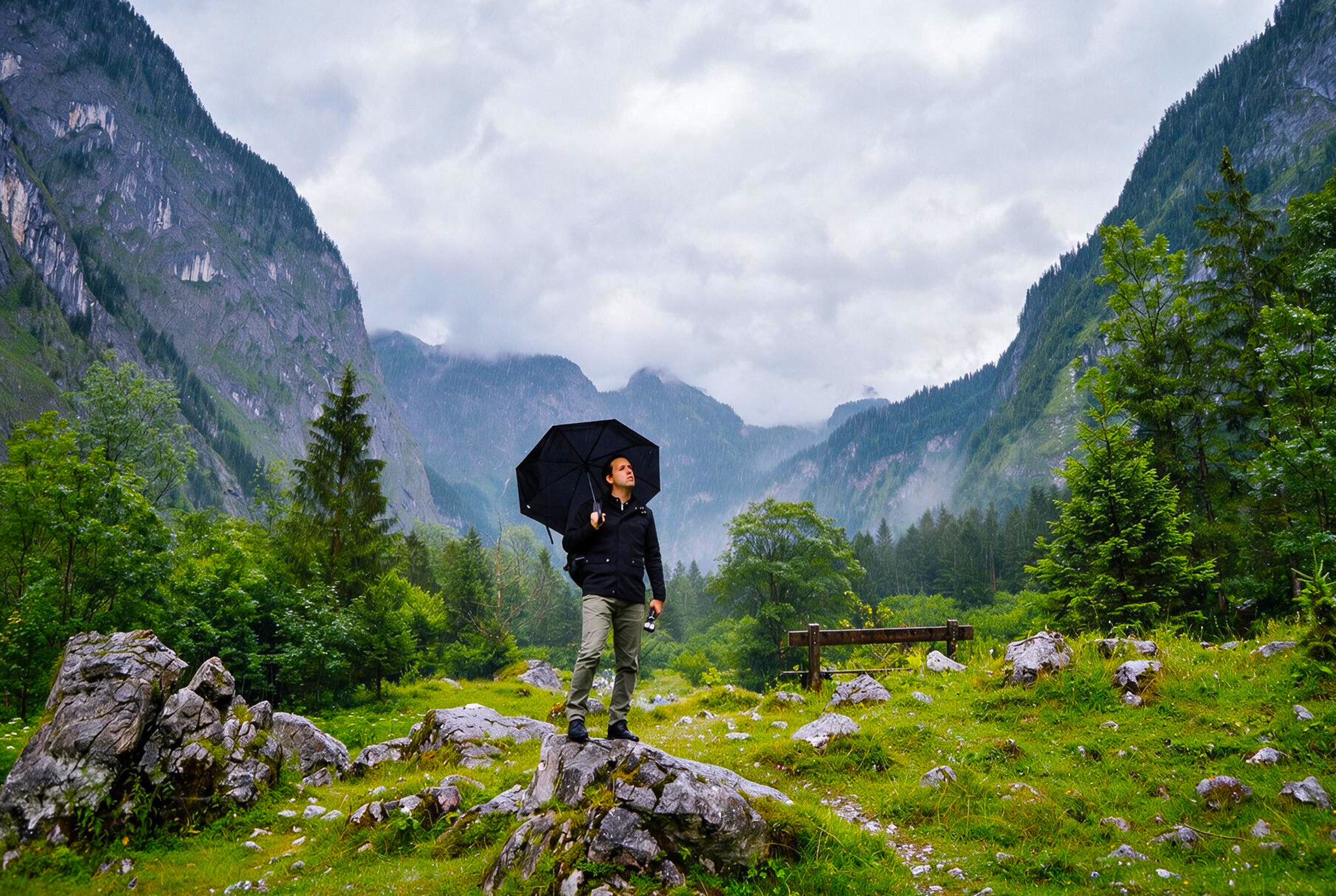
The Queen of Hills wears a very different mood between July and September. Mist swallows the ridgelines by mid-morning, waterfalls turn full and loud, and the crowds that pack Mall Road in May thin to a manageable few. For some travellers, this is exactly the point of a Mussoorie monsoon trip. For others, wet shoes and cancelled viewpoints are a deal-breaker. Before you book, it helps to understand what the rains bring, what they take away, and who really benefits from visiting Mussoorie in the rainy season.
What Mussoorie Really Looks Like in the Monsoon
From the last week of June to mid-September, Mussoorie sits inside the active belt of the southwest monsoon. Rainfall peaks in July and August, then tapers through September. You rarely get twelve straight hours of downpour. The rhythm is drizzle, sharp showers, sudden sunshine, and long stretches of fog rolling across the ridges.
The town changes character too. Deodar and oak forests around Landour deepen in colour, streams above Kempty Falls fill up, and the valleys below Camel’s Back Road turn a saturated green that summer visitors never see. Daytime temperatures stay in the mid-teens to low twenties Celsius, dipping further at night. If you find May in Mussoorie too warm and too touristy, monsoon is the opposite experience.
The Case for Visiting Mussoorie in the Rainy Season
There are honest reasons this season has a loyal following.
- Fewer crowds. Mall Road, Gun Hill and Camel’s Back Road all breathe easier once school holidays end.
- Better hotel rates. Off-season pricing kicks in from July, and room upgrades are common.
- Full waterfalls. Kempty Falls, Bhatta Falls and Jharipani Falls are at their most photogenic.
- Cleaner air and long visibility windows. Post-shower Doon Valley views can be strikingly clear.
- A quieter Landour. The heritage cantonment side finally feels like the writer’s town it is meant to be.
For a slower, more reflective hill trip, this window suits couples, solo travellers, and anyone tired of peak-season noise. If you are considering a broader hill circuit, our curated Uttarakhand tour itineraries include options that thread Mussoorie into calmer routes across the state.
The Honest Downsides You Should Weigh
Monsoon travel in the Garhwal Himalayas comes with real trade-offs. Skipping over them helps nobody.
- Landslides and roadblocks. The Dehradun to Mussoorie road and internal routes to Kempty or Dhanaulti can shut for hours after heavy rain.
- Delayed sightseeing. Cable cars, ropeways and some viewpoints are paused during storms.
- Slippery trails. Camel’s Back Road, Company Garden and the Landour loop demand proper footwear.
- Limited long-distance visibility. On bad-weather afternoons the ridges you came to see stay behind a wall of cloud.
- Leeches and dampness on forest walks, especially near Cloud’s End and the George Everest House route.
None of this rules out a good trip. It just means planning for flexibility, keeping a buffer day, and treating sightseeing as opportunistic.
Mussoorie Weather Month by Month in the Rains
- July: The wettest stretch. Frequent heavy showers, thick fog, highest chance of road closures. Best for travellers who genuinely want the rain.
- August: Slightly lighter but still very wet. Vegetation is at its most lush. Independence Day weekend brings a small crowd bump.
- September: The most balanced month. Rain reduces, sunshine hours rise, and post-monsoon clarity makes it the smart pick for first-time monsoon visitors.
For the atmosphere of the rains without the worst disruptions, mid to late September is the sensible pick.
Things to Do in Mussoorie During the Monsoon
Rain reshapes the itinerary rather than cancelling it.
- Walk the Chakkar on Landour, stopping at Chaar Dukaan for warm parathas and chai.
- Visit Kempty Falls early. Waterfall volume peaks after a rainy night and the site is calmer before mid-morning.
- Spend a slow afternoon on Mall Road with a book and coffee at one of the older cafes.
- Drive out to Dhanaulti and George Everest House on clearer days for short forest walks and ridge views.
- Explore Landour Bakehouse and Cambridge Book Depot for a rainy day indoor stretch.
- Sit out heavy showers with a Garhwali thali at a family run kitchen instead of pushing through the weather.
Couples planning a rain themed getaway can also look at how Mussoorie fits into our honeymoon tour packages, which pair it with quieter partner destinations like Nainital and Rishikesh.
For travellers keen to extend the trip into offbeat Garhwal after Mussoorie, the meadows and forested trails covered in our Chopta Tungnath tour package open up beautifully once the heaviest rain phases pass in September.
Where to Stay for a Monsoon Trip
Location matters more in the rains than any other season.
- Mall Road area: Best for cafes, shops and short indoor walks on wet days.
- Library end: Quieter, better for reading holidays and morning strolls when the rain lifts.
- Landour: Heritage stays with the best forest and mist experience, but steeper roads that flood in heavy showers.
- Barlowganj and Jharipani: Good if you are self driving and want valley views away from the centre.
Ask your property about generator backup, road access after rain, and cancellation flexibility.
What to Pack for a Mussoorie Monsoon Trip
Packing decides how much of Mussoorie you actually get to enjoy.
- A proper waterproof jacket with a hood, not a fashion raincoat.
- Quick dry trousers and two pairs of shoes with good grip. Wet shoes take a full day to dry.
- A compact umbrella and a light fleece for evenings.
- Zip lock bags or dry pouches for phones, wallets and camera gear.
- Basic medicines, mosquito repellent, and anti leech socks for forest walks near Cloud’s End.
Getting to Mussoorie in the Rains
The most reliable route is Delhi to Dehradun by train or road, followed by the short drive up. In monsoon, the Dehradun to Mussoorie stretch is most prone to slow traffic and short closures after heavy rain. Build a buffer of a few hours into your arrival plan and avoid night driving on the ghat road.
Air travellers land at Jolly Grant Airport in Dehradun. Schedules can shift on peak monsoon days, so keep a train option in reserve. A curated operator like Traveloi that handles pickup, transfers and hotel coordination takes most of the friction out of a rainy season trip.
Who Should Visit Mussoorie in Monsoon, and Who Should Not
A quick filter before booking. Mussoorie in monsoon works well for:
- Couples wanting a quiet, atmospheric break.
- Solo travellers, writers and readers looking for slow days.
- Photographers chasing mist, waterfalls and green landscapes.
- Second time visitors who have already seen the town in clear weather.
It is not the right choice for:
- First time hill travellers who want guaranteed viewpoints and postcard weather.
- Elderly travellers with mobility limitations on wet, sloped paths.
- Families with very young children if travel dates cannot flex.
- Adventure travellers focused on paragliding or long treks, which are often paused.
Frequently Asked Questions
Q1. Is it safe to visit Mussoorie during the monsoon?
Yes, with sensible planning. Stick to well maintained roads, avoid night travel on the ghat sections, keep a buffer day in your plan, and check local weather advisories before setting out for viewpoints like Kempty Falls or Dhanaulti.
Q2. Which is the best month to visit Mussoorie in the rainy season?
Mid to late September is generally the most balanced choice. Rainfall eases, greenery is still at its peak, and long distance views open up more often than they do in July or August.
Q3. Do waterfalls like Kempty Falls remain accessible during heavy rain?
Kempty Falls stays open most days, but access can be restricted after very heavy showers due to strong water flow. Early morning visits offer the best chance of a clear window.
Q4. How is the road from Dehradun to Mussoorie during monsoon?
Functional but prone to short closures after landslides. Daytime travel is much safer than night driving, and small delays should be built into your plan during peak monsoon weeks.
Q5. Are hotel prices cheaper in Mussoorie during the monsoon?
Yes. Off season rates apply from July through early September, and room upgrades and better package deals are common compared to the summer and winter peaks.
Q6. What should I avoid doing in Mussoorie during the rains?
Avoid unmarked forest trails, skip long treks without a local guide, avoid late night drives on the ghat road, and do not depend on ropeways or paragliding on your only day in town.
Q7. Can I combine Mussoorie with other Uttarakhand destinations in the monsoon?
Yes. Dhanaulti, Kanatal and Rishikesh pair well with Mussoorie in a shorter loop. For longer trips, September is a safer window to extend into higher Garhwal areas like Chopta.