
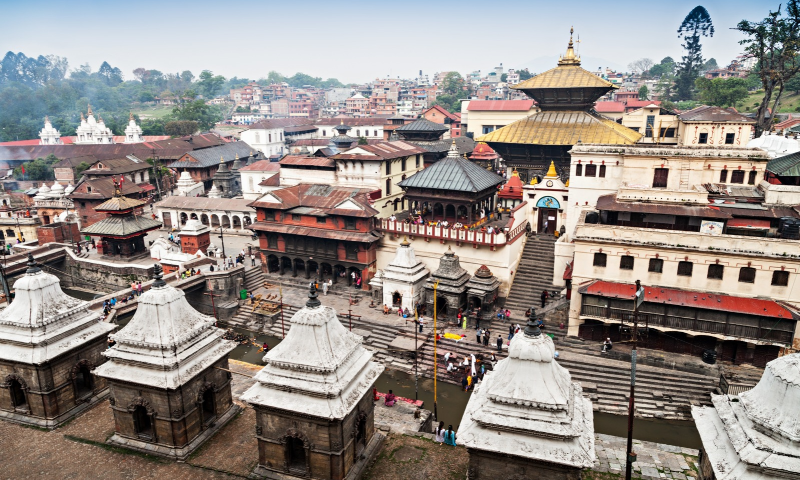
Few places in South Asia carry the spiritual weight that Pashupatinath Temple holds for devotees of Lord Shiva. Set along the Bagmati River on the eastern side of Kathmandu, this UNESCO World Heritage site has drawn pilgrims, sadhus, and curious travelers for well over a thousand years. If you are planning a trip to Nepal with faith at the centre of your itinerary, understanding the darshan schedule, entry rules, and local customs can save you hours of confusion at the gate.
This guide covers the essentials: when the sanctum opens, how to prepare, what to pack, and how to make your visit smoother. It is written for first time visitors from India, families travelling with elders, and seasoned devotees who want current, practical information before they fly out.
A Quick Look at Pashupatinath Temple
Pashupatinath is the principal temple of Lord Shiva in Nepal and one of the most important Shaivite sites in the Hindu world. The main shrine houses a sacred Mukhalinga, and the complex spreads across both banks of the Bagmati, taking in smaller shrines, ashrams, cremation ghats, and the deer park at Mrigasthali. The temple is managed by the Pashupati Area Development Trust, which keeps the site accessible to pilgrims through the year.
Non Hindus are not permitted inside the main sanctum, but the surrounding complex is open to everyone and offers a close view of ritual life along the ghats.
Pashupatinath Darshan Timings
The temple follows a schedule that balances public darshan with private rituals performed by priests. Hours can shift slightly during festivals, so confirming on the day of your visit is always wise. The general pattern looks like this:
- The main temple opens for devotees in the early morning, usually around 4:00 AM, with the Mangal Aarti performed shortly after.
- Morning darshan continues till about 12:00 PM, after which the sanctum closes for midday offerings.
- The temple reopens in the late afternoon, around 5:00 PM, for the evening Aarti on the Bagmati ghats.
- Evening darshan concludes by 9:00 PM, after which the doors shut for the night.
The Bagmati Aarti in the evening is a highlight even for those who cannot enter the sanctum. The chanting, lamps, and river reflections create a setting that feels alive with devotion. Arrive at least thirty minutes early if you want a good vantage point.
For current timings on special days like Mahashivratri, Teej, or Bala Chaturdashi, you can refer to the official Pashupati Area Development Trust website before you set out.
Entry Rules and Dress Code
The temple maintains clear expectations about conduct and attire. Keeping these in mind prevents last minute hassles at the entrance.
- Only practicing Hindus may enter the main sanctum. Visitors of other faiths can walk around the broader complex and view the shrine from the east bank.
- Modest clothing is expected. Shoulders and knees should be covered. Traditional Indian wear is welcomed and often preferred by devotees.
- Leather items including belts, wallets, and footwear must be left outside the sanctum.
- Photography inside the main temple is strictly prohibited. The outer complex and ghats generally permit respectful photography.
- Mobile phones should be switched to silent, and shoes are deposited at designated counters near the entry gates.
Security checks are standard, and queues can get long during morning hours and major festivals.
How to Reach Pashupatinath Temple
Pashupatinath sits roughly five kilometres east of Thamel, the main tourist hub of Kathmandu, and about four kilometres from Tribhuvan International Airport. Reaching it is straightforward whichever route you choose.
- From the airport, a prepaid taxi takes around fifteen minutes depending on traffic.
- From Thamel or Durbar Marg, local taxis and ride hailing apps like Pathao and InDrive work reliably.
- Public buses and microbuses run to Gaushala, from where the temple is a short walk.
- Many pilgrims flying in from India through Varanasi, Delhi, Lucknow, or Kolkata reach Kathmandu by direct flights and head straight to the temple on the first morning.
If you are planning a longer Nepal itinerary, pairing Pashupatinath with Muktinath, Janakpur, or Lumbini is a natural choice. Our team at Traveloi often builds these as part of curated Nepal pilgrimage tours that cover transfers, hotel stays, and local guides end to end. For devotees extending the trip, the Muktinath tour package is a popular add on.
Best Time to Visit Pashupatinath Temple
Kathmandu enjoys pleasant weather for most of the year, but a few windows stand out for a temple visit.
- October to December brings clear skies, cool mornings, and good visibility of the surrounding hills.
- February and March are ideal if you want to witness Mahashivratri, the largest festival at Pashupatinath, when sadhus from across India and Nepal gather on the ghats.
- Monsoon months from June to August bring heavy rain, which can affect walking paths and open air aartis.
- The Shravan period, usually July and August, draws large crowds of devotees even in the rain, so patience is essential.
Early mornings are quieter across the year and offer a more reflective darshan experience.
Practical Travel Tips for a Smoother Visit
A little planning goes a long way at a site as busy as Pashupatinath. Keeping these points in mind helps you focus on the darshan rather than the logistics.
- Carry a small cloth bag for shoes and leather items. Lockers near the entry can get crowded.
- Hydrate well, especially in summer. The complex involves walking across uneven stone paths and bridges.
- Keep small denominations of Nepali rupees for offerings, donations, and tips to pandits.
- Hire a licensed guide if you want context on the shrines, the Shivling, and the Arya Ghat cremation grounds. Many stories around the temple are passed down orally and are missed by first time visitors.
- Respect the cremation ghats. Photography there is considered intrusive and is discouraged by the temple trust.
- Elderly travellers can request assistance at the main gate. Wheelchair access is limited inside the sanctum area, so plan accordingly.
- Avoid touts offering fast track darshan outside the main entrance. Stick to official queues and verified guides.
If you are travelling with children or senior family members, factor in longer rest breaks and avoid peak festival days for a calmer experience.
Nearby Places Worth Adding to Your Itinerary
Pashupatinath pairs well with other heritage and spiritual sites in and around Kathmandu. Most of these are within a short drive.
- Boudhanath Stupa, a short ride away, is one of the largest stupas in the world and a centre of Tibetan Buddhist life in Nepal.
- Guhyeshwari Temple, located within walking distance from Pashupatinath, is a major Shakti Peetha and holds deep significance for devotees of the Divine Mother.
- Swayambhunath, often called the Monkey Temple, sits on a hilltop west of the city and offers sweeping views of the valley.
- Budhanilkantha, home to the reclining Vishnu statue, is a serene stop for those extending their pilgrimage.
Grouping these into a single day or spreading them across two allows for a more relaxed pace. Traveloi plans Nepal tour itineraries that connect these sites with vetted drivers and local hosts, so pilgrims can focus on faith rather than route planning.
Planning Your Visit with Traveloi
Nepal is close to India by distance but different in its temple protocols, currency handling, and local customs. Our role at Traveloi is to help pilgrims and travellers avoid common missteps. From visa guidance for non Indian passport holders to confirmed hotel stays near the temple corridor, our teams handle the groundwork so your trip starts calm. For custom pilgrimage planning, you can reach out to Traveloi and share your preferred dates and group size.
Frequently Asked Questions
What are the main darshan timings at Pashupatinath Temple?
The temple generally opens around 4:00 AM for morning darshan, closes at midday, and reopens in the late afternoon until about 9:00 PM. Timings may vary slightly on festival days.
Can non Hindus enter Pashupatinath Temple?
Non Hindus are not allowed inside the main sanctum. However, they can walk around the broader complex and view the temple from the east bank of the Bagmati river.
Is there a dress code for Pashupatinath Temple?
Yes. Modest clothing covering the shoulders and knees is expected. Traditional Indian attire is widely preferred, and leather items must be left outside the sanctum.
How can Indian citizens travel to Pashupatinath Temple?
Indian citizens do not need a visa to enter Nepal. A valid passport or voter ID with a recent photograph is sufficient. Direct flights operate from Delhi, Mumbai, Varanasi, Kolkata, and Bengaluru to Kathmandu.
What is the best time to witness the Bagmati Aarti?
The evening Aarti usually begins shortly after sunset. Arriving around 5:30 PM gives you time to find a good spot on the ghats and settle in before the rituals start.
Does Traveloi offer tour packages that include Pashupatinath Temple?
Yes. Traveloi curates Nepal pilgrimage itineraries that cover Pashupatinath along with Muktinath, Janakpur, Lumbini, and other sacred sites, with transfers, stays, and local guides included.
Pashupatinath rewards travellers who come prepared. A little planning on timings, dress, and logistics turns a hurried visit into a meaningful one. For a tailored itinerary that respects both your faith and your budget, our team is a message away.