
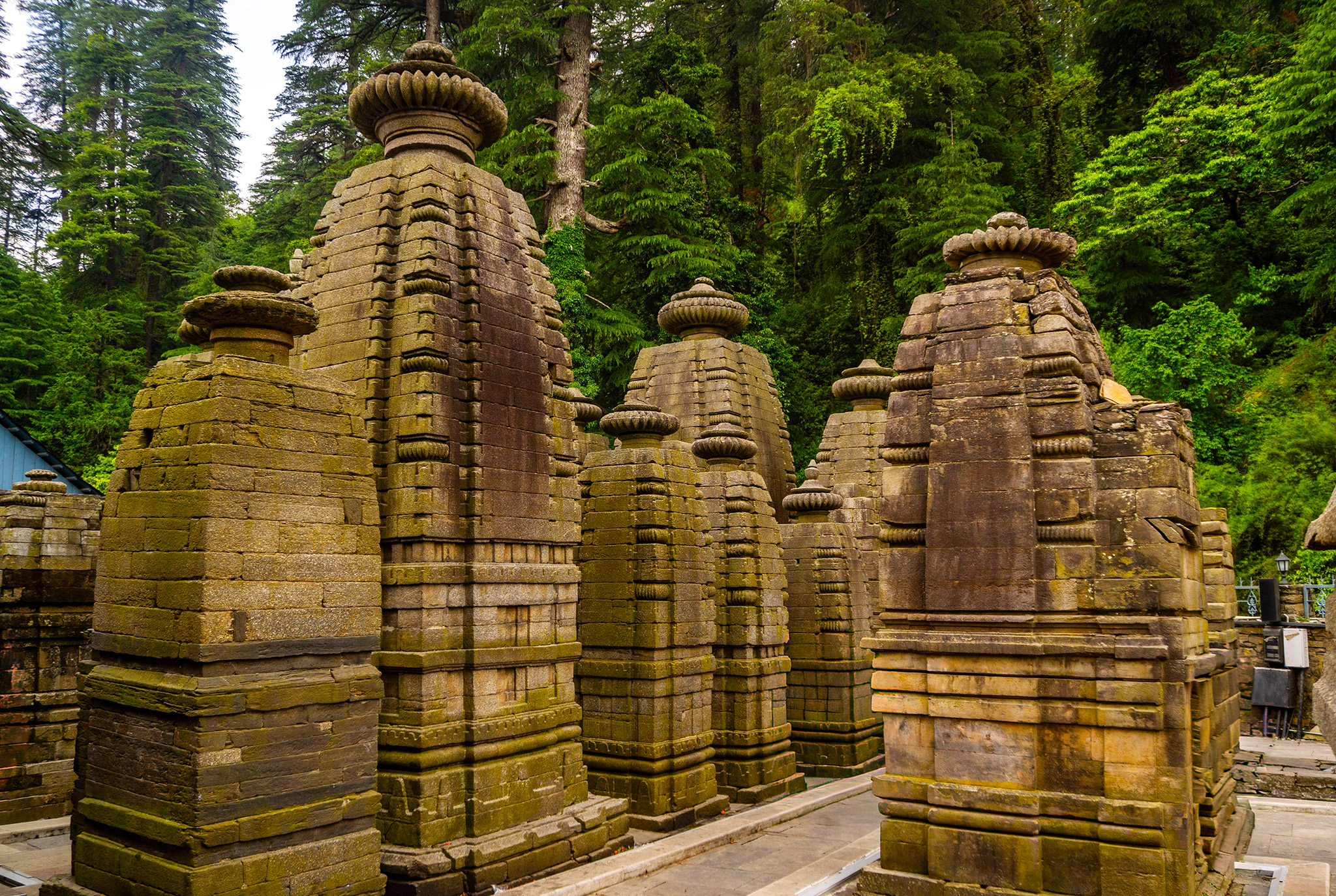
Tucked into a narrow valley shaded by tall deodar trees, Jageshwar Dham quietly rewrites what you expect from a temple visit. Instead of a single sanctum, you walk into a compact settlement of stone shrines packed close together, each carved centuries ago and still active for daily worship. For anyone tracing the map of ancient Shiva temples in Uttarakhand, this site sits high on the list, and yet it stays refreshingly unhurried compared to the busier pilgrimage circuits of the state.
This guide covers what makes Jageshwar Dham significant, how to plan a smooth visit, and how it fits into wider Kumaon and Himalayan pilgrimage routes.
What is Jageshwar Dham?
Jageshwar Dham is a cluster of around 125 stone temples in the Jataganga valley, about 35 kilometres northeast of Almora in Kumaon. Most shrines are dedicated to Lord Shiva, though the complex also houses temples for Surya, Navagraha, Kuber, Mrityunjaya, and the goddess Nanda Devi. The site is protected by the Archaeological Survey of India, and the temples are broadly dated between the 7th and 14th centuries, spanning the Katyuri and Chand dynasties.
Local tradition also links Jageshwar to the twelve Jyotirlinga tradition, with many devotees regarding the main shrine as the Nagesh Jyotirling. This attribution is debated among scholars, but the belief itself draws steady footfall from Shiva bhakts through the year.
Why the Jageshwar Temples Matter
A few things set this site apart from the more familiar names in the Uttarakhand temple map:
- Density of shrines: Very few places in India let you walk past dozens of active stone temples within a few hundred metres of each other.
- Architectural continuity: The Nagara style shikharas here trace a visible evolution across several centuries, which is why art historians and heritage travellers keep coming back.
- Living worship: Unlike many protected monuments, these are not museum pieces. Pujas, aartis and rituals continue as they have for generations.
- Setting: The deodar forest around the complex is a designated conservation zone, which keeps the atmosphere calm and the air noticeably cleaner than the plains.
History and Legend Behind Jageshwar
The oral tradition holds that Lord Shiva meditated in these forests, and that the site was a centre of Shaiva practice long before the surviving stone temples were built. Adi Shankaracharya is credited by local accounts with renovating and reconsecrating the shrines during his travels through the region in the 8th century, which is roughly consistent with the earliest datable structures at the site.
The bulk of construction is associated with the Katyuri dynasty, whose patronage produced most temples visible today, with later additions under the Chand rulers of Kumaon. This layered history is why the complex feels less like a single project and more like a collective offering built across generations.
Key Temples Inside the Complex
The Jageshwar temples are grouped into a few clusters. The main ones worth planning time for include:
- Jageshwar Mahadev Temple: The principal shrine and the focal point of ritual activity. Home to the swayambhu lingam that anchors the entire complex.
- Dandeshwar Temple: The largest single shrine in the group, located slightly uphill from the main cluster and surrounded by its own set of smaller temples.
- Mrityunjaya Temple: Dedicated to the Mahamrityunjaya form of Shiva, considered particularly powerful for health and longevity prayers.
- Nau Durga and Nanda Devi shrines: Small but significant temples that reflect the strong Shakti tradition running alongside Shaiva worship in Kumaon.
- Surya, Kuber and Navagraha temples: Add a broader devotional layer for pilgrims who like to complete their darshan across multiple deities in one visit.
A small on-site museum run by the ASI displays sculptures and inscriptions retrieved during conservation work. It is compact and easy to cover in half an hour.
Best Time to Visit Jageshwar Dham
The site is open through the year, but the experience changes with the seasons.
- March to June: Pleasant days, cool nights, and the biggest crowds of the year during the Maha Shivratri Mela in spring. Good for first-time visitors who want the full festive atmosphere.
- July to August: The Shravan month brings the Jageshwar Monsoon Festival, a serene period with steady rain, dense green cover, and heightened ritual activity. Roads can be tricky, so plan buffer days.
- September to November: Arguably the sweet spot. Clear mountain views, dry trails, thinner crowds, and the deodars at their most photogenic.
- December to February: Cold, quiet, occasionally snowbound. Suited to travellers who want stillness over spectacle.
If you are already planning a Shiva pilgrimage in this season, our guide to Sawan Somwar rituals and observances pairs well with a Jageshwar visit during the monsoon months.
How to Reach Jageshwar Dham
Jageshwar sits in a valley off the Almora to Pithoragarh route. The final approach is a scenic drive through pine and deodar forest, and it does not have a train station or airstrip of its own.
- By air: Pantnagar Airport is the nearest option, about 150 kilometres from the site. Dehradun works as a fallback if flight connectivity is easier.
- By rail: Kathgodam is the closest major railhead, roughly 125 kilometres away, with overnight trains from Delhi and other North Indian cities.
- By road: The most common approach. Almora is the natural base, and Jageshwar is around 65 kilometres from there by cab or shared taxi. Roads are hilly but generally in good shape.
Many travellers combine Jageshwar with Chitai Golu Devta temple, Kasar Devi and Binsar Wildlife Sanctuary in a single Kumaon loop, since all four sit within comfortable driving range.
Pairing Jageshwar with Other Himalayan Yatras
Jageshwar Dham fits naturally into wider pilgrimage plans in the region. It is a common stop on the way to Pithoragarh and Dharchula, which is why our Adi Kailash and Om Parvat Yatra from Kathgodam includes a darshan here before continuing deeper into the inner Himalayas.
For pilgrims building a broader Shiva itinerary, our long-form piece on Kedarnath yatra history and legends gives useful context on how the different Shiva sites of Uttarakhand relate to each other. If you are still shaping your travel plan, browsing curated Uttarakhand tour packages can help you slot Jageshwar into a wider Garhwal or Kumaon itinerary.
Practical Tips for Your Visit
- Dress modestly. Shoulders and knees covered is the standard expectation at active temples.
- Carry cash. Small denominations help for offerings, priest dakshina and local snacks.
- Photography rules vary. Outer temple exteriors are usually fine, but avoid inner sanctums unless clearly permitted.
- Stay overnight if you can. Almora, Chitai and a few boutique stays near Jageshwar itself make it easy to catch the morning aarti without a rushed early drive.
- Respect the forest. The deodar cover is sacred and ecologically fragile. Carry your waste back with you.
Travellers who plan the journey as a slow visit rather than a checkbox stop tend to come away with a stronger sense of the place. Traveloi structures its Kumaon itineraries with this in mind, allowing enough time at Jageshwar for a proper darshan without cutting into other highlights of the region.
Plan Your Jageshwar Dham Journey
If you are still in research mode, start by mapping how Jageshwar fits with your wider Uttarakhand plans. It rarely works as a standalone weekend, and pairing it with Almora, Binsar or a longer Kumaon circuit gives the trip more depth.
For travellers ready to firm up dates, Traveloi builds tailored Kumaon and Himalayan itineraries that include Jageshwar Dham as part of wider spiritual journeys. Reach out through the Traveloi website for a custom plan and on-ground support.
Frequently Asked Questions
Is Jageshwar Dham one of the twelve Jyotirlingas?
Local tradition regards the main Jageshwar shrine as the Nagesh Jyotirling, and many devotees visit it as part of their Jyotirlinga darshan. The identification is disputed by other traditions that place Nagesh Jyotirling in Gujarat, so treat both as valid within their respective belief systems.
How many temples are there at Jageshwar Dham?
The complex has around 125 stone temples of varying sizes, built roughly between the 7th and 14th centuries. Not all are large enough to enter, but the density of shrines within a small area is what makes the site remarkable.
What is the best time to visit Jageshwar Dham?
September to November offers the most comfortable weather and clear mountain views. Maha Shivratri and the Shravan month bring bigger festive energy if you prefer to visit during active temple festivals.
How far is Jageshwar Dham from Almora?
Jageshwar is about 35 kilometres from Almora by the shortest route and roughly 65 kilometres by the commonly used driving route via Artola. Plan around 90 minutes of travel each way.
Can I visit Jageshwar Dham in a single day from Nainital or Kathgodam?
It is possible but tight. Kathgodam to Jageshwar is close to 125 kilometres one way through hill roads. A comfortable itinerary spreads the visit over two days with a night at Almora or near the temple complex.
Are there guides available at the site?
Yes. Local guides and temple priests are usually available near the main entrance and can walk you through the history, legends and ritual customs of the different shrines. The ASI museum on site is also a useful primer.
Is Jageshwar Dham suitable for senior travellers?
Yes. The main temple cluster is on relatively level ground with short walking distances between shrines. Dandeshwar involves a gentle uphill stretch. Comfortable footwear and a slow pace make the visit manageable for most age groups.