
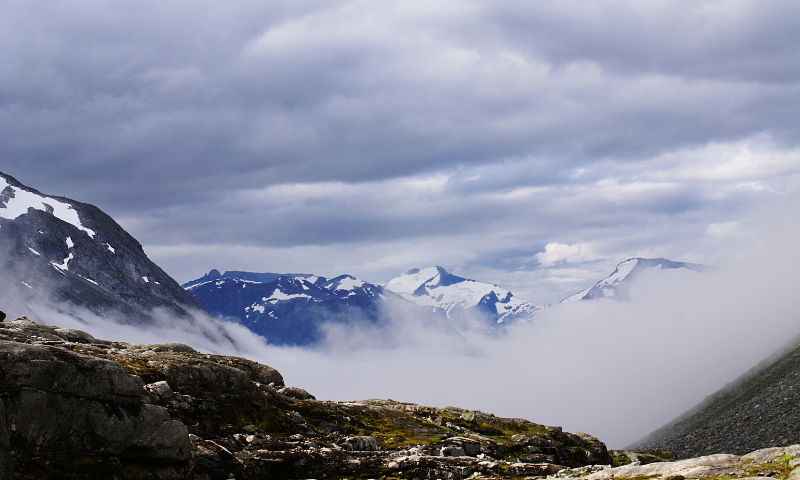
One of the biggest mistakes people make when planning their Adi Kailash yatra is ignoring the weather. They focus on permits, itineraries, and spiritual preparation, which are all important. But it is the temperature and climate at Adi Kailash that will decide whether you get a fulfilling pilgrimage or a miserable one.
Vyas Valley, where this sacred peak is located in the Pithoragarh district of Uttarakhand, is not your average hill station. It is a cold desert at high altitude, close to the Indo-Tibetan border, where weather conditions can swing sharply within hours. One moment you could be trekking under warm sunlight, and the next you could be dealing with biting cold wind and near-zero visibility.
This guide breaks down the Adi Kailash temperature season by season, explains how Vyas Valley weather behaves at different altitudes, and helps you decide the best time to visit Adi Kailash for a safe, comfortable, and spiritually rewarding journey.
Where Exactly Is Adi Kailash and Why Does Its Location Affect the Weather?
Adi Kailash, also known as Chota Kailash, stands at approximately 6,310 metres above sea level. It sits in the remote Kumaon Himalayas within Uttarakhand’s Pithoragarh district, right near the India-Tibet border. The yatra route passes through the Vyas Valley, a stunning cold desert named after Sage Vyasa, who is believed to have meditated here while composing the Mahabharata.
The altitude is the first thing to understand. At this elevation, temperatures differ markedly from those you experience in the plains or even in popular hill stations like Nainital or Mussoorie. The air is thinner, the sun feels stronger during the day, and the temperature drops rapidly once the sun sets.
The valley sits between towering Himalayan peaks, which creates its own microclimate. Wind patterns, proximity to glacial systems, and the cold desert terrain all contribute to unpredictable weather shifts. This is why checking the weather at Adi Kailash before you finalize your travel dates is not optional. It is essential.
If you are exploring the broader spiritual landscape of Uttarakhand, you can browse more pilgrimage options on the Traveloi Uttarakhand Tour packages. It is a helpful starting point to understand all the routes and experiences that this region offers.
Adi Kailash Temperature in Summer (May to June)
Summer is widely considered the best time to visit Adi Kailash, and for a good reason. The snow from winter begins to melt, trails open up, and the weather becomes as pleasant as it gets at this altitude.
During May and June, daytime temperatures in the Vyas Valley and around Adi Kailash typically range from 10 to 20 degrees Celsius. The skies are usually clear, offering uninterrupted views of the surrounding peaks and the iconic Om Parvat. Nights are cold, though, with temperatures dipping close to 0 to 5 degrees Celsius.
Here is what makes summer ideal for the yatra:
- The roads from Dharchula onward are generally open and accessible.
- Landslide risk is lower compared to monsoon months.
- Alpine meadows come alive with wildflowers, making the trek visually stunning.
- Visibility is excellent, especially for viewing Om Parvat from Nabhidhang.
If you are a first-time pilgrim or travelling with elderly family members, summer is your safest window. The Adi Kailash temperature in summer allows you to trek comfortably during the day without extreme cold gear, though layered clothing is still recommended for mornings and evenings.
Traveloi’s Adi Kailash Om Parvat Yatra packages are typically planned around these summer months to ensure the safest conditions and the best darshan experience.
Monsoon Season Weather at Adi Kailash (July to August)
The monsoon months bring a mixed bag to the Adi Kailash region. Temperatures remain moderate, hovering between 10 to 20 degrees Celsius during the day, and around 6 degrees Celsius at night. But the real concern is not the temperature itself. It is the rain.
Heavy rainfall between July and mid-August creates serious problems for yatra planning:
- Roads become slippery and prone to landslides, especially between Dharchula and Gunji.
- River crossings become riskier due to swollen streams.
- Cloud cover often blocks views of Adi Kailash and Om Parvat, reducing the spiritual impact of the darshan.
- Trails get muddy, which is particularly challenging for senior travellers.
That said, some pilgrims specifically choose July because it coincides with Sawan (Shravan), a sacred month in Hinduism. If you are planning a monsoon visit, carrying extra buffer days is critical. Road blockages are common, but the Border Roads Organisation (BRO) typically works quickly to restore access.
The Vyas Valley weather during monsoon is lush and green, and the landscapes look dramatic. But for comfort and safety, most experienced travellers and tour operators recommend avoiding July and August unless you are prepared for delays and difficult conditions.
Post-Monsoon and Autumn Weather (September to October)
If summer is the most popular window, then autumn is the insider’s pick. September and October offer some of the clearest skies of the year. The monsoon rains wash away haze and dust, and the Himalayan peaks stand out sharply against deep blue skies.
The temperature at Adi Kailash during autumn ranges from about 5 to 15 degrees Celsius during the day. Nights are noticeably colder, dipping to around minus 5 to 5 degrees Celsius depending on altitude. The air is crisp, dry, and refreshing.
Why autumn works so well for the yatra:
- The Om Parvat temperature and visibility are at their best, making this an excellent window for photography and darshan.
- Crowds thin out compared to the summer rush.
- Autumn colours across the valley add a vibrant layer to the landscape.
- Weather stability is generally high, with fewer sudden storms or rain events.
For travellers who want a quieter, more meditative experience, the post-monsoon season is hard to beat. Just be sure to complete your yatra before mid-October. After that, temperatures begin dropping fast, and early snowfall can close routes without much warning.
To understand the spiritual significance of this region more deeply before your trip, the Traveloi blog on Adi Kailash and Om Parvat’s sacred importance in Hinduism is a solid read.
Winter at Adi Kailash: Why the Yatra Shuts Down (November to April)
There is no polite way to say this: winter is off-limits for the Adi Kailash yatra. And that is not just a suggestion. The government officially closes access routes during this period due to extreme conditions.
The Adi Kailash winter temperature can drop to minus 15 to minus 30 degrees Celsius at night. During the day, temperatures barely rise above minus 5 to 5 degrees Celsius. Heavy snowfall blankets the entire region, roads become impassable, and cold winds make outdoor movement dangerous.
Key reasons why winter travel is not recommended:
- All motorable roads leading to the yatra route are closed.
- Black ice on trails creates life-threatening conditions.
- Emergency rescue becomes nearly impossible in remote areas.
- Mobile network, already limited in this region, becomes completely unavailable.
Even experienced mountaineers avoid this stretch during winter. The yatra is designed to operate within the May to October window, and planning outside of it is both unsafe and impractical.
How Vyas Valley Weather Changes With Altitude
One thing that catches many travellers off guard is how dramatically the weather shifts as you move through different points on the yatra route. Vyas Valley is not one uniform climate zone. The temperature changes significantly as you gain altitude.
At Dharchula, which sits at around 900 metres, conditions are relatively warm and comfortable. As you move toward Gunji (approximately 3,200 metres), temperatures cool noticeably. By the time you reach Jolingkong and the Adi Kailash base area above 4,500 metres, you are in genuinely cold territory, even in summer.
This gradient matters for packing and acclimatization. You might start the yatra in a light jacket and end the day needing thermals and a down jacket. That is why Traveloi’s Adi Kailash tour packages include acclimatization days built into the itinerary, ensuring pilgrims adjust gradually to altitude and temperature shifts. You can check the 8-day Adi Kailash and Om Parvat Yatra package from Kathgodam for a well-paced route that accounts for these altitude changes.
What to Pack Based on Adi Kailash Weather Conditions
Packing smart is half the battle when it comes to high-altitude yatras. The Adi Kailash trek weather conditions demand clothing and gear that can handle a wide temperature range within a single day.
Essentials for your packing list:
- Thermal innerwear for cold nights and early mornings.
- A waterproof and windproof outer layer for sudden weather shifts.
- Sturdy trekking shoes with good grip for rocky and uneven terrain.
- Woolen gloves, a warm cap, and thick socks for sub-zero evenings.
- Sunscreen and UV-protective sunglasses, because high-altitude sun is deceptively strong.
- A reusable water bottle and dry snacks like energy bars and dry fruits for long drives.
- A basic first-aid kit including altitude sickness medication.
- A power bank and a headlamp, since electricity is unreliable in remote villages.
If you are unsure about physical readiness for this kind of terrain, the Traveloi guide on high-altitude fitness preparation for the Adi Kailash trek covers training routines and health tips specifically designed for this yatra.
How to Pick the Best Time to Visit Adi Kailash
Choosing the right month depends on what matters most to you. Here is a quick breakdown to help you decide.
If you want the safest and most comfortable weather, go in May or June. These months offer the warmest daytime temperatures, clear skies, and the lowest risk of road disruptions.
If you want the best views and a quieter experience, plan for September or early October. The post-monsoon clarity is unmatched, and you will share the trail with far fewer people.
If you are a devotee who wants to travel during Sawan, July is possible, but expect rain, delays, and challenging road conditions. Keep extra buffer days in your itinerary.
November to April is not an option. Routes are closed, and the weather is dangerously cold.
For a well-organized Adi Kailash yatra that takes all of these seasonal factors into account, Traveloi’s team handles permits, accommodation, meals, and logistics so that pilgrims can focus entirely on the spiritual journey. Their experience with Uttarakhand’s high-altitude routes, including the Kailash Mansarovar Yatra and Chardham Yatra, means the planning is grounded in real, on-the-ground knowledge.
Frequently Asked Questions About Adi Kailash Temperature and Vyas Valley Weather
What is the temperature at Adi Kailash during summer months?
During May and June, daytime temperatures at Adi Kailash generally range from 10 to 20 degrees Celsius. Nights are significantly colder, dropping to around 0 to 5 degrees Celsius. Light woolens and layered clothing are recommended even during the warmest months.
Is September a good time to visit Adi Kailash and Om Parvat?
Yes, September is one of the best months for the Adi Kailash yatra. The skies are clear after the monsoon, temperatures range from 5 to 15 degrees Celsius during the day, and the views of both Adi Kailash and Om Parvat are at their sharpest. It is ideal for photography and a peaceful pilgrimage.
Can you visit Adi Kailash during winter?
No. The yatra route is officially closed from November to April due to extreme cold and heavy snowfall. Winter temperatures in the region can drop to minus 20 degrees Celsius or lower, and roads become completely impassable.
What is the weather like in Vyas Valley during monsoon season?
Vyas Valley receives significant rainfall during July and August. Temperatures remain moderate at 10 to 20 degrees Celsius, but landslides, muddy trails, and poor visibility make travel risky. Travellers planning a monsoon visit should keep extra buffer days and prepare for possible delays.
How should I prepare for the temperature changes during the Adi Kailash trek?
The temperature shifts dramatically with altitude on this route. Start with light layers at lower elevations like Dharchula and add thermals, down jackets, and windproof gear as you climb toward Gunji and Jolingkong. Acclimatization days are important to let your body adjust. Carrying altitude sickness medication, staying hydrated, and eating light, nutritious meals all help manage the transition.
What is the best month for the Adi Kailash Om Parvat yatra if I am a senior traveller?
May and early June are the safest months for senior pilgrims. The weather is most stable, roads are in the best conditions, and the temperature is manageable with proper clothing. Tour packages that include vehicle transport for most of the route, like those offered by Traveloi, significantly reduce the physical strain for elderly travellers.
