
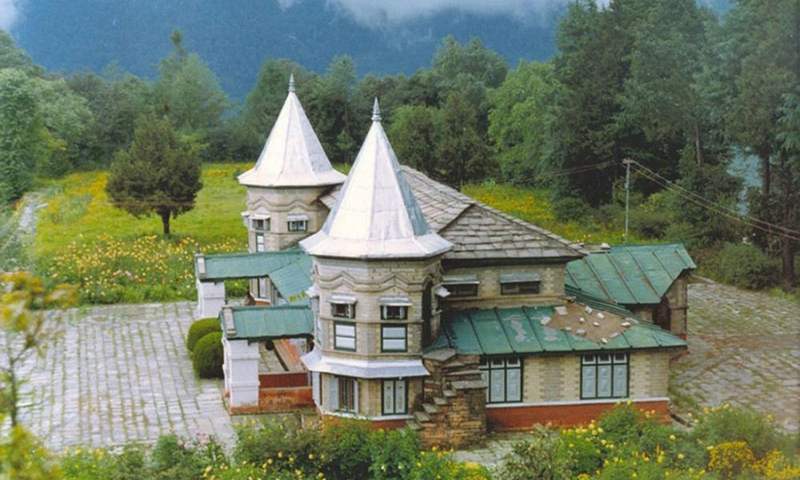
Some places in the Himalayas are popular because they are beautiful. Others are remembered because of the people who built them. Narayan Ashram, perched at 2,734 metres in the Pithoragarh district of Uttarakhand, belongs firmly to the second category. It is not a luxury retreat. It is not a resort with mountain views. It is a place that exists because one man walked through these mountains nearly nine decades ago and decided that the people living here deserved more than what life had handed them.
Located roughly 24 kilometres from Dharchula town and sitting on the historic route to Kailash Mansarovar, Narayan Ashram is part meditation centre, part school, part library, and part living monument to selfless service. For pilgrims undertaking the Adi Kailash and Om Parvat Yatra, it serves as a meaningful spiritual stopover. For travellers drawn to quieter corners of the Kumaon Himalayas, it offers something rare: a place where silence feels earned, not manufactured.
This guide covers everything you need to know about the ashram, its history, its spiritual significance, what to do when you get there, and exactly how to reach it.
The Story Behind Narayan Ashram: Who Was Narayan Swami?
To understand the ashram, first you need to understand the man who built it.
Narayan Swami, also known as Sri Raghavendra, was born around 1901 in Lahore (in present-day Pakistan). He was an educated man, a graduate, who chose to leave his home and family while still young. He was drawn to the Himalayas and the spiritual life. After arriving in Haridwar, he spent time working in different ashrams, studying the teachings of the Ramakrishna Mission and Vivekananda Mission, and learning the ways of monastic life.
The turning point came when a Yogi heading for Kailash Mansarovar took him under his guidance. Together, they completed the Kailash Mansarovar Yatra entirely on foot from Haridwar. There were no roads, no route markers, and no support systems. The entire journey was an act of devotion and physical endurance.
During this yatra, Narayan Swami passed through the remote regions of Kumaon, near what is now Dharchula. He noticed that the local Bhotia tribal communities had almost no access to education, healthcare, or basic amenities. The region was cut off from the rest of Uttarakhand in almost every practical sense. This realization stayed with him. In 1936, instead of continuing his wandering life, he chose to stop and stay.
He started with a hut made of dried grass. That hut caught fire one night while he was asleep, which pushed him to think about building something more permanent. With the help of a local named Kushal Singh Hyanki, who donated a large area of land, Narayan Swami began constructing the ashram. He designed the architecture himself. Keep in mind that there were no construction workers, no craftsmen, and no motorable road anywhere near the site. The closest road at that time ended in Almora, which meant a two-week walk just to reach the location.
Over the next two decades, Narayan Swami built a 10-bed sanatorium, a school for local children, and brought in essential medical equipment. He worked relentlessly for the development of this remote Himalayan region and was even instrumental in the efforts that eventually led to Pithoragarh being declared a separate district.
He passed away in 1956. He had spent just 20 years in Dharchula, but what he left behind was an institution that continues to serve the community to this day.
His parting words, as remembered by locals, were simple and direct: “Do not remember me. Remember my Ashram. Do something for my Ashram, and it will reach me.”
The Spiritual Significance of Narayan Ashram
Narayan Ashram is not a temple in the conventional sense. It does not have the grand architecture of Kedarnath or the massive pilgrimage infrastructure of Badrinath. Its significance is quieter and more personal.
The ashram sits surrounded by dense deodar forests with snow-capped peaks visible in the distance. Inside the main building, there is a temple, a meditation hall, a library housing rare scriptures and ancient texts in multiple Indian languages, and the Samadhi Sthal (sacred resting place) of Narayan Swami. There is also the Shoonya Kuteer, the spot where Narayan Swami is believed to have attained nirvana through deep meditation.
For pilgrims on a Kumaon pilgrimage tour that includes Adi Kailash and Om Parvat, the ashram serves as a powerful spiritual anchor point on the route. Before the Indo-China War of 1962, Narayan Ashram functioned as an official resting place for pilgrims heading to Kailash Mansarovar through the Lipulekh Pass. Travellers would stop here, rest, pray, and prepare themselves mentally and physically for the demanding journey ahead.
That legacy has not faded. Even today, many pilgrims travelling through Dharchula on the Adi Kailash or Kailash Mansarovar route make it a point to visit the ashram. The silence of the surrounding forest, the absence of commercial noise, and the palpable sense of devotion in the air create an environment that feels genuinely conducive to reflection. This is not spiritual tourism packaged for Instagram. This is the real thing.
Things to Do at Narayan Ashram
Narayan Ashram is not a place where you check off a list of activities. It is a place where you slow down. That said, there are several meaningful ways to spend your time here.
Meditation and Yoga
The ashram’s meditation hall is open to visitors throughout the day. You can join guided sessions or simply sit in the peaceful surroundings and meditate on your own. The altitude, the clean mountain air, and the near-total absence of noise make this one of the most naturally suited environments for meditation you will find anywhere in Uttarakhand.
Visit the Library and Samadhi Sthal
The ashram houses a library with a collection of rare and important books, scriptures, and writings in several Indian languages. For anyone interested in Hindu philosophy, Vedantic texts, or the cultural history of the Kumaon region, this is a genuine treasure. The Samadhi Sthal of Narayan Swami, located within the ashram, is a place of quiet reverence. Spending time here gives visitors a sense of the dedication that built this place.
Nature Walks Through Deodar Forests
The ashram is surrounded by rich biodiversity. Leisurely walks through the deodar forests and alpine meadows are a highlight for nature lovers. During April and May, the surrounding hills come alive with rhododendron blooms and wildflowers. Apple gardens and herb gardens within the ashram grounds are well maintained and add to the beauty.
Cultural Interaction with Local Communities
The Pithoragarh district is home to the Rung and Bhutia communities, who have lived in these Himalayan borderlands for generations. Visiting Narayan Ashram gives you a window into their way of life, their traditions, and their warmth. The ashram occasionally hosts cultural programmes showcasing the heritage of the region.
Volunteering
The Narayan Ashram Trust, which now manages the ashram, welcomes volunteers from across the country. Social workers join regularly to contribute to the ashram’s educational and community programmes. If your travel plans allow for a longer stay, this is a rare opportunity to give back to a place that has been giving for nearly nine decades.
Best Time to Visit Narayan Ashram
The ashram remains closed during winter due to heavy snowfall that blocks the road and makes the area inaccessible. The best months to visit are between May and October, with some important distinctions.
May and June are ideal for clear skies, blooming rhododendrons, and comfortable daytime temperatures. The greenery is fresh, and the trails are in good condition.
July and August bring the monsoon, which means lush landscapes but also the risk of landslides and road blockages. Travellers who visit during this window should be prepared for unpredictable conditions.
September and October offer crisp mountain air, crystal-clear views of the Himalayan peaks, and vibrant autumn colours. These months are highly recommended for both the ashram visit and the broader Adi Kailash yatra.
If you are combining your visit to Narayan Ashram with an Adi Kailash tour package, aligning your travel dates with the May to June or September to October windows will give you the best experience across both destinations.
How to Reach Narayan Ashram from Delhi and Other Cities
Getting to Narayan Ashram requires some planning, but it is more accessible today than it was even a decade ago. Here is a breakdown by mode of travel.
By Road
Narayan Ashram is approximately 53 kilometres from Dharchula town by road, and about 143 kilometres from Pithoragarh. The road from Dharchula to the ashram passes through rugged mountain terrain and can be challenging, but it is motorable for most vehicles. The drive from Dharchula takes several hours depending on road and weather conditions.
Dharchula itself is well connected by road to major towns in the Kumaon region. The key road connections are Dharchula to Pithoragarh (approximately 92 km), Pithoragarh to Almora (approximately 125 km), Almora to Haldwani (approximately 90 km), and Haldwani to Delhi (approximately 280 km). From Delhi, the total drive to Dharchula is roughly 670 kilometres and takes between 15 to 18 hours, depending on traffic and road conditions. Buses from ISBT Anand Vihar in Delhi to Dharchula are available through Uttarakhand Transport Corporation.
By Rail
There is no railway station in Dharchula. The two nearest railheads are Kathgodam (approximately 184 km from Pithoragarh) and Tanakpur (approximately 150 km from Pithoragarh). Both stations are connected to Delhi and other major cities in North India by regular train services. From either station, you will need to continue by bus or taxi to Dharchula.
Kathgodam is the more commonly used railhead for travellers heading into the Kumaon region. Trains from Delhi to Kathgodam run overnight and arrive early morning, giving you a full day to travel onward to Pithoragarh and eventually Dharchula.
By Air
The nearest functional airport is Pantnagar Airport, which is approximately 250 kilometres from Dharchula. Flights from Delhi to Pantnagar are available, and from Pantnagar, you can take a bus or hire a taxi to Haldwani and then continue to Dharchula.
The Naini Saini Airport in Pithoragarh has limited air services with small aircraft connecting to Dehradun, but these are not consistently operational. It is best to check availability before planning your route through Pithoragarh airport.
Where to Stay
The ashram itself offers basic accommodation and can host around 40 visitors at a time. Meals are simple, vegetarian, and included with the stay. For those who prefer slightly more structured lodging, the Kumaon Mandal Vikas Nigam (KMVN) operates a rest house right next to the ashram with fibre huts and attached washrooms. Numerous homestays and lodgings are also available in Dharchula town.
Narayan Ashram as Part of a Larger Kumaon Pilgrimage Tour
If you are making the journey all the way to Dharchula, it makes practical and spiritual sense to combine Narayan Ashram with the broader pilgrimage circuit in the region.
Dharchula is the gateway to the Adi Kailash and Om Parvat Yatra. The route from Dharchula passes through remote Himalayan villages like Gunji and Kuti, home to the Rung and Bhutia communities, before reaching the sacred sites of Adi Kailash (at 6,310 metres) and Om Parvat, where snow naturally forms the Hindu “Om” symbol on its surface.
Many travellers on a Kumaon pilgrimage tour also explore other sacred and scenic spots in the Pithoragarh district, including the Kali River Valley along the Indo-Nepal border, the Parvati Sarovar and Gauri Kund near Adi Kailash, and the Nabhidhang viewpoint for Om Parvat darshan.
Traveloi, with its deep expertise in Uttarakhand’s pilgrimage circuits, curates Adi Kailash tour packages that handle permits, transportation, stays, meals, and local guides. Their itineraries are designed to balance spiritual depth with practical comfort, making the journey accessible for seniors, families, and first-time Himalayan travellers alike.
For those considering the broader spiritual landscape of Uttarakhand, combining a Kumaon pilgrimage tour with the Chardham Yatra circuit (covering Yamunotri, Gangotri, Kedarnath, and Badrinath) creates one of the most comprehensive pilgrimage experiences available in India.
Why Narayan Ashram Deserves a Place on Your Travel List
There are plenty of spiritual retreats in India. Many of them are well marketed, beautifully designed, and equipped with modern comforts. Narayan Ashram is none of those things, and that is precisely what makes it worth visiting.
This is a place built by hand, in a location that was a two-week walk from the nearest road, by a man who gave up everything he had to serve people he had never met. The architecture, the gardens, the school, the library, the meditation rooms, all of it was created not for tourists but for the community. When you visit, you are not consuming a curated experience. You are standing inside someone’s life’s work.
For readers exploring the Adi Kailash region, Traveloi’s blog on Adi Kailash as India’s own sacred Kailash Mountain provides a detailed companion read on the broader pilgrimage route.
Frequently Asked Questions
Q1: What is the significance of Narayan Ashram near Dharchula?
Narayan Ashram was established in 1936 by Narayan Swami as a centre for spiritual practice, education, and community development in the remote Pithoragarh district of Uttarakhand. It served as a resting point for Kailash Mansarovar pilgrims before the Indo-China War of 1962 and continues to function as a meditation centre, school, and library. Its significance lies in its dual role as both a spiritual retreat and a living legacy of selfless social service in the Kumaon Himalayas.
Q2: How do I reach Narayan Ashram from Delhi?
A: From Delhi, the most common route is to drive or take a bus to Dharchula via Haldwani and Pithoragarh (approximately 670 km, around 15 to 18 hours). From Dharchula, Narayan Ashram is about 53 km by road. Alternatively, you can take an overnight train from Delhi to Kathgodam or Tanakpur and then continue by bus or taxi to Dharchula. The nearest airport is Pantnagar (approximately 250 km from Dharchula), with road travel required for the remaining distance.
Q3: What is the best time to visit Narayan Ashram in Uttarakhand?
The best time to visit is between May and October. May and June offer clear skies and blooming wildflowers. September and October bring crisp air and excellent mountain visibility. The monsoon months of July and August bring lush greenery but also the risk of landslides. The ashram remains closed during winter due to heavy snowfall.
Q4: Can I stay at Narayan Ashram overnight?
Yes. The ashram provides basic accommodation for approximately 40 visitors at a time, including simple vegetarian meals. A KMVN (Kumaon Mandal Vikas Nigam) rest house with fibre huts and attached washrooms is also located next to the ashram. Additional homestays and lodgings are available in Dharchula town.
Q5: Is Narayan Ashram on the Adi Kailash yatra route?
Narayan Ashram is located near Dharchula, which is the gateway town for the Adi Kailash and Om Parvat Yatra. While the ashram is not directly on the main Adi Kailash trekking route, it is an accessible and meaningful spiritual stopover for pilgrims beginning or ending their journey from Dharchula. Many travellers on an Adi Kailash tour package include the ashram as a dedicated day visit.
Q6: What is there to do at Narayan Ashram?
Visitors can meditate in the ashram’s meditation hall, explore the library of rare scriptures and books, visit the Samadhi Sthal of Narayan Swami, take nature walks through deodar forests and rhododendron-lined trails, and interact with local Himalayan communities. Volunteering opportunities through the Narayan Ashram Trust are also available for those who can stay longer.
Q7: Can senior citizens visit Narayan Ashram comfortably?
Yes. While the road from Dharchula to the ashram can be bumpy, the ashram itself is set in a gentle hilltop location without any strenuous trekking required. Senior travellers can access the ashram by vehicle and spend time in its peaceful grounds. For seniors combining this visit with an Adi Kailash tour package, Traveloi offers itineraries with acclimatisation days, medical support, and personalised attention for elderly pilgrims.